

Map
Madagascar map - complete itinerary
YouTube Video embed
Now I see the secret to raising better men: growing up outdoors, eating and sleeping with nature.
Antananarivo Airport, shortly after midnight on September 6th, waiting for boarding for the return flight:
My mind leaps from one adventure to another: from park to park, enchanting beaches, people met, animals observed. All without interruption, where emotions, questions and impressions followed each other at a rapid pace. In an Africa that is not Africa, with a level of poverty unimaginable in the face of the enormous potential available. A country where it is easy to cultivate or raise any form of plant or animal life, but which has not yet been able to create an economy worthy of its name, where 92% of the population is forced to live on $2 per day.
The men's skin looks like bark, and the children's eyes plead for something they don't even understand. The people are idle under the shelter of the hut, you can't tell if it's due to laziness or lack of work. Or perhaps neither, they simply did what was required of them during the day. The children often work, according to a principle very different from ours, where it would be labeled as "child labor". This leads to the idea that everyone should grow up quickly, taking on a dose of hardship from a young age that will accompany them throughout their lives.
I was actually hoping to find answers on these topics, but I'm leaving with even more questions.
Understanding, even before seeing, is the purpose of a trip!
Located in the lower right corner relative to the African continent, Madagascar does not have a particularly interesting position on the world stage of strategies. And this at least has spared it from bloody wars: the last real conflict was between the English and French of Vichy, who opened up a tropical front for them to better fight each other in the heat, away from the already crowded battlefields that in the 1940s were bleeding Europe. The rest are remnants of civil war that have nothing to do with the massacres elsewhere.
Traveling back to its origins, the island separated from the African continent (at the time still part of the Gondwana complex) about 150 million years ago and drifted away, developing a unique and distinct character. Humans only arrived here around 2000 years ago, following Asian migrations, likely fleeing from wars. And the Eastern features are still evident on many faces. For all these reasons, Madagascar holds something different compared to continental Africa: it shares its widespread poverty, a legacy of French colonialism and post-colonialism that paid little or no attention to economic and social progress, corrupt governments, and limited civil conflicts. But above all, Madagascar seems to owe its backwardness to the inherent characteristics of its population, its fragmentation into tribes divided by different traditions. Perhaps the Malagasy have never been able to break free from a mindset focused solely on the immediate future, with a pleasant demeanor when encountered but ineffective in ensuring their own future, since the earliest days of their history. It is difficult, perhaps impossible, to understand exactly what are the real roots of this situation – certainly facilitated by geographical isolation – which relegates it to ninth place among the poorest countries in the world. However, both the island and its inhabitants cannot fail to fascinate those who seek to know their soul!
Until 1975, Madagascar was self-sufficient in rice production and consumption. Currently, a portion is imported from Asian countries due to population growth and the associated costs of low yields. The locals blame this on the government, which they see as unable to implement agricultural policies that would guarantee at least local needs. Unfortunately, what they call the transition phase – a period of power vacuum from 2009 to 2013 – has only fueled illegal activities, keeping potential investors in the tourism and industrial sectors distant. The situation has improved slightly in recent years, thanks to a government that, while practically absent on initiatives, at least ensured some stability, and early signs of recovery are beginning to emerge. However, this is not yet the case in tourism, where, due to the poor road conditions, it is difficult to complete tours that would allow you to see some of the country's many wonders. To do this, you need to take internal flights (we took 4 in our case), which comes with its own expenses. Since we have mentioned transportation, it is worth exploring further, as this is key to a successful trip that is not solely focused on beach life; this issue also plays a fundamental role in the overall development of the country. streets I roads are generally poor and in very bad condition: only a few, starting from the capital, are paved and easily passable; even in these cases, they pass through villages where life is concentrated along the roadside, with children, animals, and adults transporting all kinds of goods using any means. This picturesque and chaotic scene that we encounter every time we approach a village increases the risks for the inhabitants and slows down the vehicles passing through it, although drivers are more accustomed to honking their horns to signal their presence than to slowing down as appropriate. The rest of the vehicles have potholes so large that traffic is almost impossible: trucks are forced to move at a snail's pace, cars are practically non-existent in favor of 4x4s, which seem to be driven by drunk drivers if viewed from a distance, zigzagging to better navigate the holes that appear before them. These holes become swimming pools during the rainy season, with the added difficulty of not being able to predict their depth. The bridges are single-lane and, while this is not a problem on many roads due to low traffic, on others (such as the RN2 connecting the capital to the main port of Toamasina), one must create an alternating one-way system. We will return to discussing this road later, but for now, it is worth noting that in such a chaotic situation, Malagasy people react with remarkable calm and above all with extreme mutual respect: faster vehicles are not hindered, trucks use their indicators to signal whether it is safe to overtake or not: right means go ahead, left means "wait for someone coming from the opposite direction". This is a form of solidarity that greatly simplifies the difficult life of drivers and improves their safety parameters as much as possible. There are practically no trains, or rather, they would exist but are not in operation: the only one in use connects Fianarantsoa with the eastern coast, and the train runs when it functions properly and arrives when it doesn't derail. To such an extent that for travelers, the interest in traveling this route is more driven by a sense of adventure than reaching their final destination. This seems absurd, but this is how things are, with farmers taking advantage of long stops to sell their products to passengers and travelers. The already mentioned RN2 is traveled by long lines of trucks in an endless container traffic, along which runs a narrow colonial-era railway. We have been told that occasional freight trains pass through, but given the heavy traffic on the road, we believe these are quite rare occasions. Furthermore, the asphalt must follow the hilly terrain, making circulation even more risky due to unsafe vehicles. During our journey, while traveling on the RN7 in the south, we came across the remains of a burned-down truck at the bottom of a slope the day before. Worn brakes had caused a fire that destroyed the cargo, and we hope that at least the driver was able to escape; around him were still some children trying to take something reusable.
Finally, a positive note comes from the flights: starting this year, a joint company has been created between Air Madagascar and Air Austral of Réunion Island, which is in turn controlled by Air France. While in the past, internal flights were known for delays and cancellations, Tsaradia now guarantees efficient connections with relatively new aircraft. The reputation is positive, and our experience was almost perfect; out of the four planned flights, only one experienced a delay of almost an hour. Of course, the need to travel by plane represents a non-low-cost alternative (if booked a couple of months in advance, flights cost around €150 per leg), and you still have to transit through Tana.
Everything depends on the time available: I taxi bus These are small minibuses that depart when they're full, and often carry all sorts of people and goods. The bicycles piled on the roof above the fruit sacks aren't an exception. The risk doesn't seem particularly high; the problem is more with those who have limited time. Usually, older Mercedes Sprinters are used, purchased as vans and locally equipped with inexpensive seats and Chinese-made windows. The worst ones circulate in the cities and are old Citroen C25 models. They travel day and night, and during the dark hours they form convoys to avoid the occasional bandit activity on the roads. A characteristic feature is the view they offer when stopping to allow passengers to take a break, all lined up along the road attending to their needs. For the worst-condition roads, there are also Brouss trucks, suitable for any terrain without offering any comfort. But the goal remains to arrive, and the foreign tourists who board them intend to test their endurance during the journey, before appreciating the destination they're reaching.
The truck park is diverse, featuring many European models from older generations, but the most distinctive ones are the Mercedes from the 1960s, barely seen in Iran during the embargo. However, this is Madagascar from a road accessibility perspective; it's certainly not an efficient model, but definitely a travel experience that complements the journey, to be undertaken with the right spirit of adaptation and respect for a nation facing much more serious problems than comfortable roads. It is certain that if administrations could guarantee decent conditions, it would benefit tourism development. For example, in our case, instead of flying from Tana to Morondava where the vehicle with the driver awaited us, to perform a kind of "U-turn," we could have reached Toliara and returned to Tana by plane, thus covering the entire route by road, which would benefit local operators more and make it accessible even for those traveling on limited budgets. Some argue that roads are not built or maintained due to subtle lobbying interests focused on developing air traffic. Certainly, doing nothing is more convenient and less expensive, especially for a country with very scarce public finances. And if there were lobbies interested in maintaining an inefficient system, there could be others much more willing to thrive in a context of development; as an example, we can certainly cite transportation, which are true ordeals during the dry season and even worse during the winter.
Talking about neo-colonialism It is important to note the growing influence of China on the country. Investments have been made as usual, aimed at developing roads or sites that have ultimately benefited those who spent the money. The impression is one of a more limited presence compared to what the Dragon is trying to achieve elsewhere, also due to limited strategic interest. If we are talking about foreign influence, it is undoubtedly necessary to refer to that from France.
The presence of France also impacts the cultural aspect: those who wish to pursue higher-level specialized studies must travel to the European continent. This creates a form of psychological dependence and a way of thinking more aligned with the mindset across the Channel, and also helps maintain other interests, whether European, American or Asian. In fact, Madagascar has never been a major target for conquest: after the first explorers arrived on its coasts in the 16th century, bases and fortresses were built along the coastline, primarily to protect maritime routes rather than to advance further inland. Only France, towards the end of the 19th century – specifically in 1885 – formally established colonization. Undoubtedly, tropical diseases related to the harshness of the environment played a role, but above all, the lack of interest in a region that was difficult for Europeans to reach, isolated and with limited opportunities for exchange, as well as the relatively unexplored mineral resources, were significant obstacles.
The best year to visit is tourism It turned out that 2008 was a particularly difficult year, and the sector subsequently collapsed due to the combination of the economic crisis in Western countries and the political situation in Madagascar. The figures we have heard are sometimes contradictory, but we should not be far from the truth if we estimate around 400,000 visitors in the peak season, reduced to less than 200,000 in 2019. Americans arrive via Kenya and Ethiopia; there are also Arabs, and Chinese tourists are becoming increasingly popular, especially for short visits to the famous Allée des Baobabs, a picturesque location where they can take photos with the impressive plant giants. For comparison, Mauritius attracts approximately 1 million tourists.
Vazha: we are, that is, in its correct translation, the one who comes to see. It's an outdated term, therefore it doesn't refer to the tourist as much as to the foreign person with fair skin.
The origin of human colonization is actually quite recent, stemming from groups of populations Malesi and Indonesians who arrived on the island by sailing canoes with a side rudder about 2000 years ago. They found some inhabitants of very short stature (probably Bushmen), enslaved them, and began cultivating rice that they had brought from their homeland. Later, they moved to the most fertile areas of the central plateau, leaving the colonization of the coast to new African immigrants. In Tana, we see many faces that could easily have been encountered several thousand kilometers further east. It is amazing how they were able to reach this far, covering an enormous distance with the few available means of transport at the time, and successfully colonizing a deserted and inhospitable territory. More recent migrations come from southern Africa, as well as Arab/Indo-Pakistani countries, who came to fuel trade and settled mainly in the north of the island.
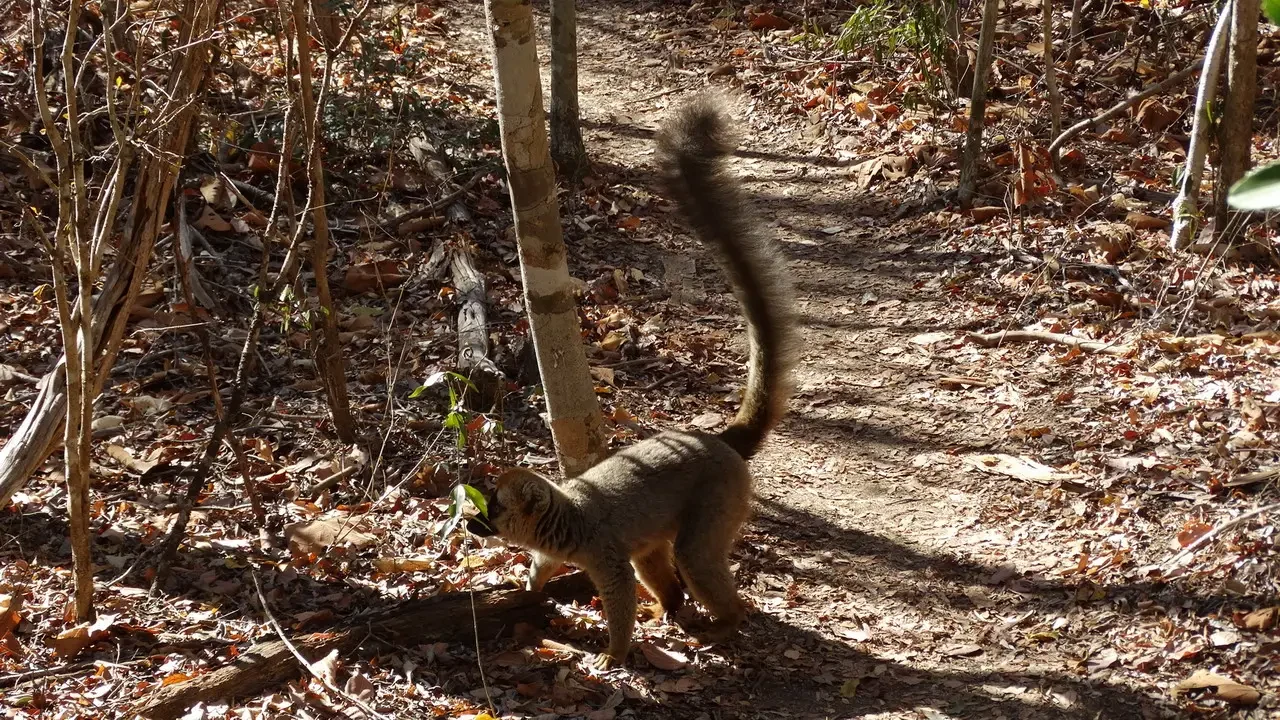
There are 18 different species of lemurs living in Madagascar. tribe which can also differ quite a bit from each other, contributing to slowing down an already difficult development process. One of the most striking differences concerns the theme of the afterlife and traditions related to ancestors. The fahamadiana (see below) involves turning over the remains of an elderly parent, which may appear at least macabre to us, while for the tribes that inhabit the highlands, it represents a moment of meeting with the rest of the family and community, as well as being a good omen for the future. More concretely, in the present, the ritual has transformed into a three or four-day festival.
All of this is closely related to the aspects religiousDespite differing percentages of belonging depending on the interlocutor, it is possible to make an estimate, knowing that absolute clarity cannot be achieved. If Christians (who have somewhat divided geographical spheres of influence between Catholics and Protestants) represent a majority just over 50%, then Sunni Muslims constitute a significant minority that tends to prevail in the north (25%), all of which is further complicated by pre-existing animistic beliefs. In fact, the syncretism of colonizing religions is due to compromises with existing beliefs, so we find Christians attending mass but after seven years practicing fahamadiana (turning the bones of the deceased relative). A ritual of ancient origin that sees relatives in the afterlife as intermediaries between those who are alive and the Supreme Being. For this reason, there is a cult of ancestors, especially those who have died at an advanced age. In this case, those who have died at a young age are not glorified because young people cannot boast of having much experience due to their short lives, and it is thought that they are not able to properly intervene in the afterlife. The elderly, on the other hand, are people who have lived and are well-positioned to represent the interests of the living. A system that seems to contradict our way of seeing, where young lives are particularly honored, but it becomes coherent if viewed from a different angle. For this reason, in certain areas... tombs They are even more beautiful than the houses, built of concrete and decorated with decorations that recall the activities of relatives. A belief system based on the intercession of ancestors is the foundation of animistic religion, which spontaneously arose and is dedicated to worshipping a God through natural elements, a situation already encountered in other forms of religion that originate from primitive beliefs, such as Tantric Buddhism. Someone also mentioned another monotheistic religion in addition to those above, but we are unable to determine whether it refers to nuances of the others or something entirely separate.
The wedding Previously, members from different tribes were not allowed to marry, but today it depends on the existing tribal relationships and the openness of the parents of the couple. However, this is not common because living in a different environment for one of the spouses would significantly disrupt their habits. Regarding marriage, couples usually get to know each other for several years before getting engaged (and they start very young). There are also rituals to be observed: the groom gives gifts to the bride's family, usually money or some part of the lamb (e.g., the leg), followed by informal meetings between the two oldest members of the families. The ceremony takes place both civilly and religiously on the same day, with a festive celebration afterwards, as is common around the world.
The poverty In Madagascar, this is not an opinion. Seeing a multitude of children approaching you to ask for charity provokes conflicting feelings that clash with any human logic. However, it's important to note that the country has doubled its population over the past two decades, and we can only imagine what will happen when this wave of young people enters their reproductive years. Coupled with a religious component that hasn't taught how to control births, rural populations continue to have children without restraint. The available resources and means are insufficient, and will be even less so in the future if they are not accompanied by effective education policies. For Malagasy people, having many children is a source of pride, to the point that parents wish their children to have seven boys and seven girls before marriage. With these premises, it's quite difficult to convey the message of birth control. While central authorities try to impose some limits on uncontrolled proliferation, it's clear that much of the population cannot be educated, as they are already working from a young age (selling food in the best-case scenario or pulling large carts with bundles of wood if things go poorly) and live in poverty, asking for anything from passersby.
In nature, there are poisonous plants that women have used to induce abortions. This is illegal, and anyone who attempts to do so is forced to use these dangerous methods, taking small doses of poison.
Sexual tourism poses a real problem: the reasons can be attributed to the fact that it is a tropical destination with more beach-oriented tourism than adventure tourism, and it also attracts people looking for different kinds of experiences. Furthermore, the young women are very poor, but many are beautiful, especially those with Eastern features and characteristics.
Approximately ten children in rural areas (the average drops to three/four in cities), of whom perhaps the first two can access primary school, do not represent a good prospect for the future, except in rare cases where the family owns large herds and needs labor to care for them. Everything else is a state of poverty along the roads; it's a sea of small, unfortunate children without healthcare and education that could guide them through their most important years. The only option is to become even more impoverished until death separates them from this life of hardship. Which happens very quickly, in the dismay of us wealthy Westerners, while we argue about the reasons for colonialism, exploitation, and lack of solidarity. But the key is reducing births; otherwise, nature itself will determine when it's time to stop. Sadly, the principles that our beliefs export will continue to produce births, which will cultivate and feed new victims. What to say, what to do with the children who come to us, to our means, as if we had landed on another world? In fact, we come from a different world, not necessarily better but different, probably free of some prejudices. But the children are still there, reaching out their hands to ask for nothing: candy, gifts, and other words in the Malagasy language that we don't know. To give them money to start a life of begging where living requires asking for help? To give them a sweet treat to see them smile at the moment and not be there when the sugar erodes their teeth? All these things that travelers should know, and if they want to do something for them, this is not the place or time. This is the time when sadness condenses, this is the anguish of a world that we don't belong to. It's not this, but it's also not the everyday life we live. Lives extinguished from the start.

Let's say that 80% of the living things in Madagascar have an indigenous origin due to the island's early isolation, it certainly doesn't lack variety, especially if you consider that many are only visible here. Of course, this is the land of lemurs, but birds and chameleons also contribute to making the trip truly unique. Speaking of lizards We learn a story that seems to border on legend. When we first hear it, we struggle to believe it, but in the following days, as we delve deeper, we always get the same answers: at this point, the story is true! It all starts with some holes we see in the ground: they were dug by ants, and usually at the beginning of the dry season, a snake enters for its winter hibernation. The ants take care of feeding it so that the reptile becomes plump. At this point, they narrow the hole with mud so that the guest can no longer escape. The snake weakens within a few days and becomes a delicious meal for the voracious insects. Initially, it seems incredible how such small creatures could be capable of orchestrating such a devilish plan aimed at feeding themselves. For us, it remains a lesson that we will do well to consider in our daily lives. A comfortable life might lead us to become like the snake; being clever allows for survival, as happens with the ants. This is the essence of a philosophy that can be read in the open book of the forest.
However, we will discover that the island is home to many species of snakes, but none of them can be considered dangerous, including the large boa constrictor, which feeds on small animals but is harmless to humans. There are also venomous spider species, but they are not deadly to humans. From this point of view, if we consider the complete absence of ferocious animals, we can say that Madagascar is truly a haven of peace, at least for humans. The only exception could be the crocodiles, which are fierce predators of both animals and humans who venture near their habitats along the riverbanks.
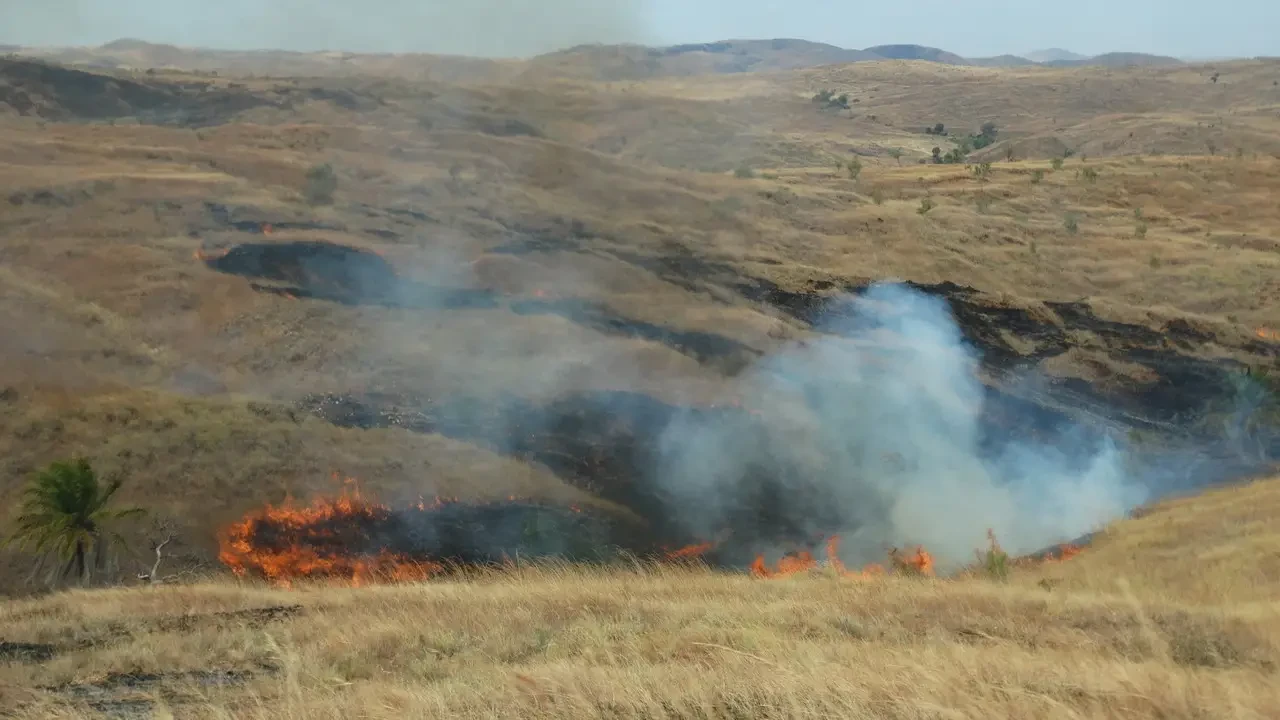
It is necessary to mention the following... amazing... the sacred cow, which is important in various sectors: from agriculture, where it is used as a draft animal and for pulling carts, to the meat industry, where it represents the most consumed meat, everything that can be obtained from it: from the skin sold by Butchers In the markets at the crossroads, those of the animals sacrificed for religious reasons are used to be hung on the tombs in honor of the deceased. It is estimated that out of approximately 25 million Malagasy people, there are almost 30 million zebus. We learn that the zebus must eat only fresh grass to grow well, so that the inhabitants burn the weeds to allow for rapid regrowth. Amazed by the sight of so many charred patches of land, we see how even in the dry season a fragile layer of green grass regrows, ready to feed the sacred bovine.

It is clear that the fires They cause pollution, but where do they fight to get even the most basic daily meals? Their environmental awareness cannot be particularly high. Someone tells us that the animal must eat fresh grass because its throat is not able to digest dry grass; this leaves us with some doubts, as in the driest areas, the zebras are forced to compromise and eat cut and dried grass.
The animal is also an indicator of wealth: those with a certain amount of money don't keep it in the bank but buy a camel, and certainly won't keep their money in the bank, where devaluation and fraud can quickly disappear.
It's also a way to show off one's wealth, something that a bank account can't reveal, and it's also an investment because they can be sold or slaughtered. A truly wealthy person ends up owning even a thousand items; if you consider that an adult item can be worth as much as 500€, the calculation is straightforward. Many of the animals destined for slaughter and for sale in Tana originate from the highlands, which consume an average of 600 per day. Economic disparities are therefore felt simply by looking at the pastures that pass through the windows of our vehicle: in the poorer areas, one or two skinny zebus are a symbol of versatility in an unlikely agriculture/butchery/religious equation, while in other areas, hundreds can be seen grazing peacefully. But this is the land of the Bara, and here another chapter will open. It's a sacred animal, even though it's eaten, because it's used in ceremonies (both during funerals and circumcisions), and an animal must be presented to the woman who is getting married, or rather to her parents-in-law, by the groom. Tradition dictates that it should be stolen to demonstrate the courage of the future husband, but in recent years, this custom seems to be losing relevance.
Circumcision is a festive occasion; if a boy dies before, it is believed he cannot go to heaven.
Food: besides the mentioned Zebù, other meat comes from chickens and, to a lesser extent, pigs. As for fish, shrimp, prawns, squid, lobster, mullet and barracuda are common.
The banana flambe with chocolate inside or the pineapple flambe are particularly good desserts.
Rice: one to two harvests are made per year. In the first case, this means they can irrigate immediately after planting, in September/October. There is both red rice and white rice. The Malagasy people like to emphasize their eating habits regarding rice consumption from the start: three times a day, during all main meals. It cannot be denied that this grain is ubiquitous in the diet of every resident of the island. Another very common plant is cassava (which we more accurately know as manioc).
Beer: The Gold is very good, with a density of 6.5°, while the THB reaches 4.7°; there are also Skol, Castel and Fresh, a variety. They are all produced by Star, which practically holds a monopoly on beverages. In addition to the four local beer brands, it also bottles Heineken, Coca Cola, Sprite, Fanta, the most popular mineral waters, and almost everything else you can drink in a bottle or can, including a delicious and exclusive Fantanas, with a strong tropical fruit flavor. On the other hand, the English bonbon is unforgettable: an unlikely and disgusting chewing gum-flavored soda.
Drinks: In addition to the beers and beverages produced by Star, there are also juices made from passion fruit and tamarind.
The rum-raisin is a real treat to end the meal: it comes in flavors of banana, pineapple, lychee, ginger, vanilla, orange, and whatever other fruit combinations your imagination can conjure.
There are historical connections between the main island of Madagascar and the islands circumstances, which should be briefly listed: Mauritius is an independent state that bases its economy on tourism with various assets. Réunion, not far from Mauritius, is instead a French department and often acts as the motherland's hand in the Malagasy country, for example, Air Austral's interests in the newly created Tsaradia airline. Even in case of health emergencies, the facilities in Réunion are of Western standard. Mayotte, located on the opposite side, north-west, near the Comoros, is similar in legal form and shares much of its history: this is an Islamic Republic and is completely independent. It is probably the poorest state among the islands and archipelagos listed, even more than Madagascar, so many Comorians have emigrated here to escape hunger. Tourism is scarce and the main activity is agriculture.
Itinerary
Travel days
Morondava
Immediately towards the western coast: Morondava and Kirindi
Kirindy
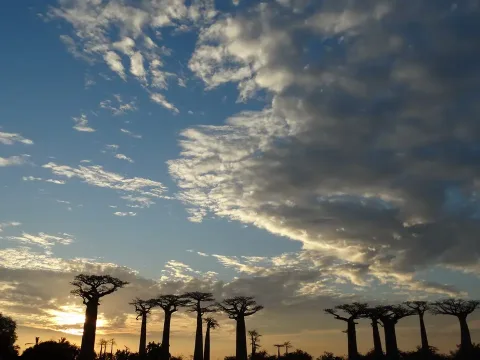
Kirindi Reserve and the unforgettable sunset over the Allée des Baobabs
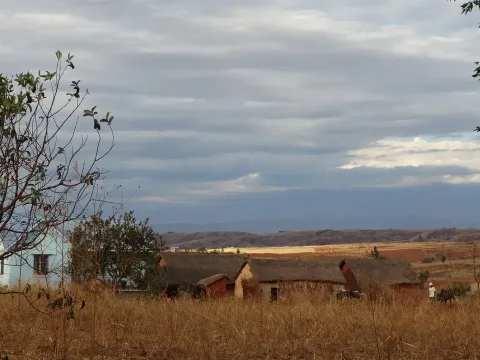
Transfer to Antsirabe
The long route from the Mozambique Channel to the central highlands.
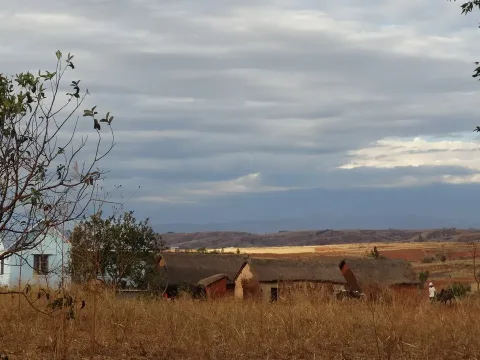
Central highlands
Market and crafts in Antsirabe and Ambositra, then enter the rainforest.
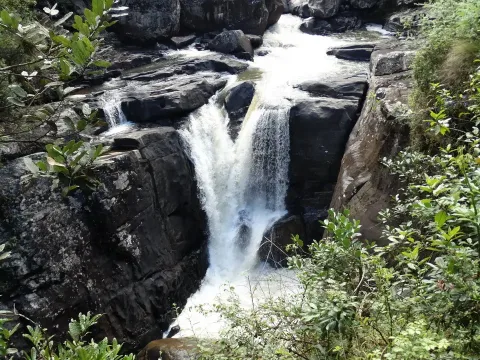
Ranomafana National Park
The lush green of the Ranomafana National Park and spotting the first lemurs – Visit to Fianaranstoa
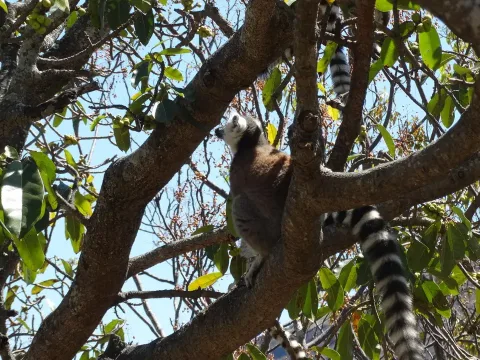
Anja Reserve
The masters of silk and paper in Ambalavao – The Anja Reserve, located nearby.
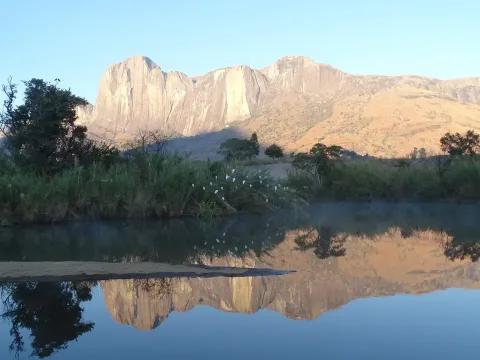
Tsaranoro Valley
Tsaranoro Valley: An African version of Yosemite.
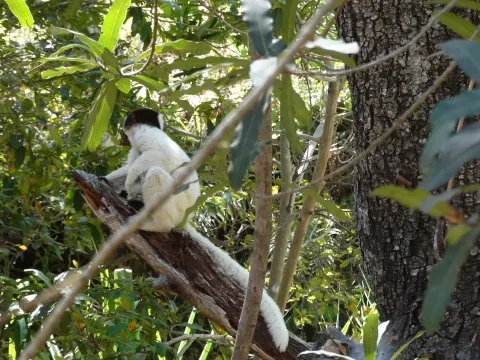
Isalo National Park
Isalo National Park: The majesty of nature, between arid landscapes and canyons rich in water.
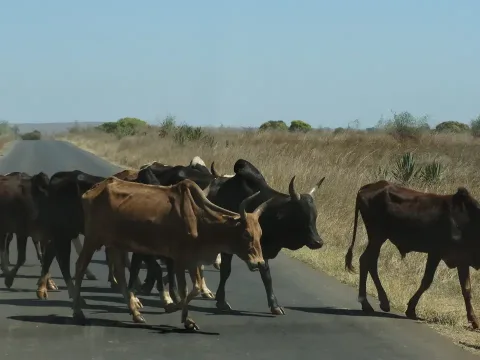
Journey to Toliara
Towards Toliara, passing through the Zombitse Park and sapphire deposits.
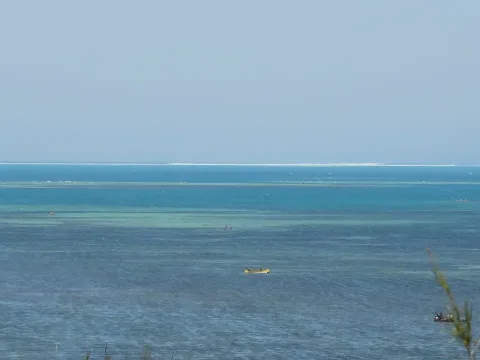
West coast
The fishermen of Ifaty, a place where time stands still. Returning to Tana.
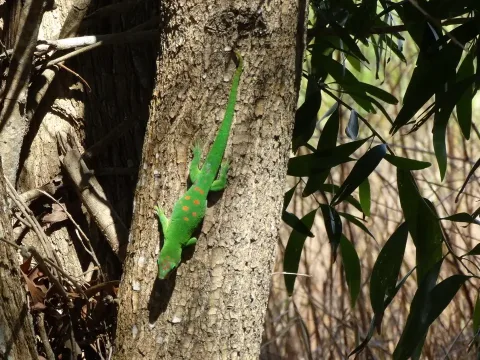
The North – Amber Mountain
Flight to Diego Suarez and visit of Parc de la Montagne d’Ambre
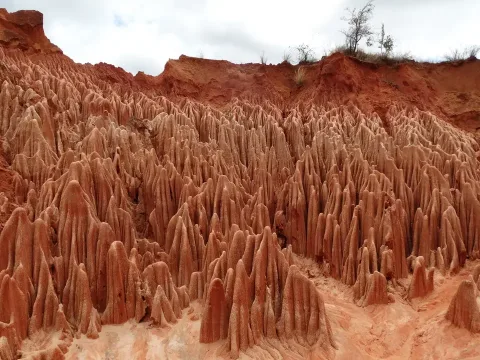
Red Tsingy
Along the disastrous RN6 road, near the Tsingy Rouge and Ankarana sites.
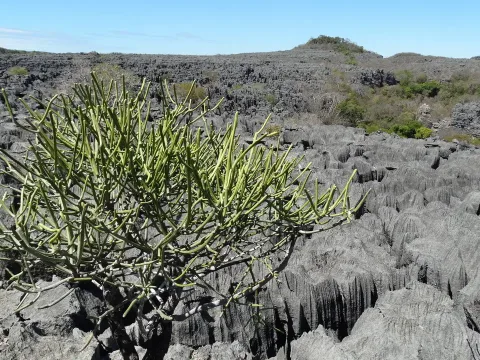
Ankarana National Park
Ankarana National Park with the grey tsingy and back on the R6 road.
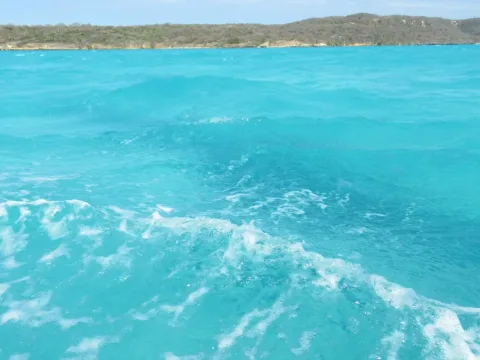
Emerald Sea
Paradise exists: it's called Emerald Sea, in the Indian Ocean.
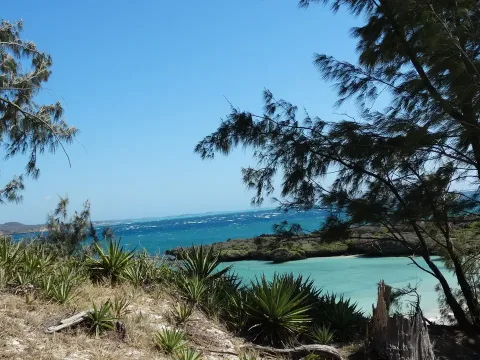
Les Trois Baies
Les Trois Baies, with stunning views of the sea. Returning to Tana and then to Andasibe.
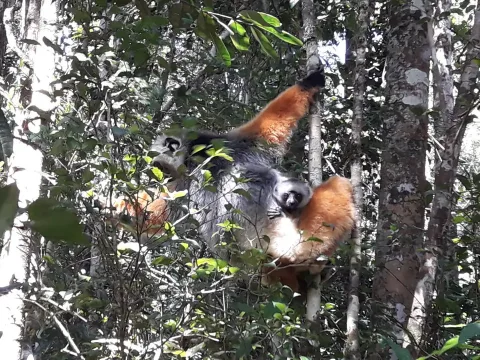
Andasibe National Park
Analamanzotratra and Mantadia – rainforest and the most beautiful landscapes.