Day 10
Journey to Toliara
Towards Toliara, passing through the Zombitse Park and sapphire deposits.
Morning in Ilakaka
At 7:30, we leave the Isalo Camp after a good breakfast with tamarind jam. We take the RN7 again in the direction of Toliara, noting that the fire from yesterday evening has only caused damage to the dry vegetation, which was the target of the shepherds who started it. The plateau features large areas that have been cleared, and we can see how quickly the grass regrows amidst the overall dryness, although unfortunately, even the few existing trees are affected, unlike the grass, which no longer grows. The Bismarck palm trees, with their bluish-green color, get their pigment from the type of soil and seem to withstand fires, perhaps. However, the rest of the tall vegetation disappears forever.
The limestone has the ability to shape the rock according to various fantasies that humans are able to combine, one of which is the Reine de l'Isalo at the western entrance of the park, a rock whose profile resembles a human figure. Geologically speaking, the rocks we find here are of limestone type; in the highlands (Tsaranoro and surroundings), granite reigns, while the Tsingy areas are made of sandstone.
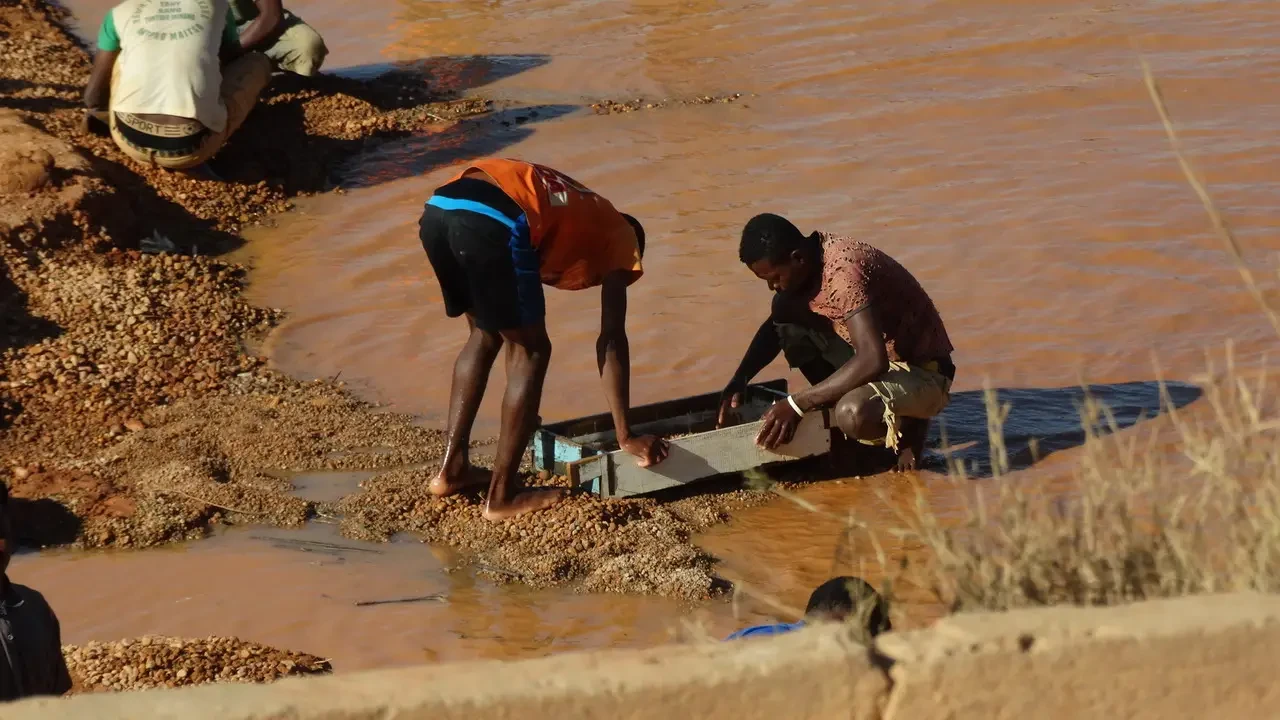
Crossing Ilakaka Even without stopping for a while, it's enough to get an idea of this town that was born and lives on the extraction of sapphire. A settlement that has recently appeared out of nowhere and will disappear just as quickly when the precious stone becomes more difficult to find. It seems like everyone must be on the streets, almost as if there were a curfew in reverse, all busy in every direction. The exchange offices for those who have been lucky enough to find something, while those who truly get rich are the Arab merchants, the only ones who can afford an incredible two-story fortified villa. These are places already seen in Coober Pedy in Australia rather than in the Yukon, a reminiscence of the past. Adventurers and outlaws of all kinds converge here in search of easy fortune, which will not be easy for most. For others, life will continue as usual, with hardship. Just beyond the river is the place where the screeners They work: the earth is transported until it reaches the road, from there, poor, skeletal figures carry it towards the water, and women with children pass it on to... examine. The workers come from various areas and belong to different tribes, which contributes to increasing conflict. Within about ten kilometers there are other similar villages, which reproduce Ilakaka to a lesser extent, and here too, the contrast between those who seek and those who trade is clear. Prominent signs seem to advertise the presence of shops, although we are told that production is entirely exported abroad. Elsewhere, Chinese people use bulldozers to search for sapphires.
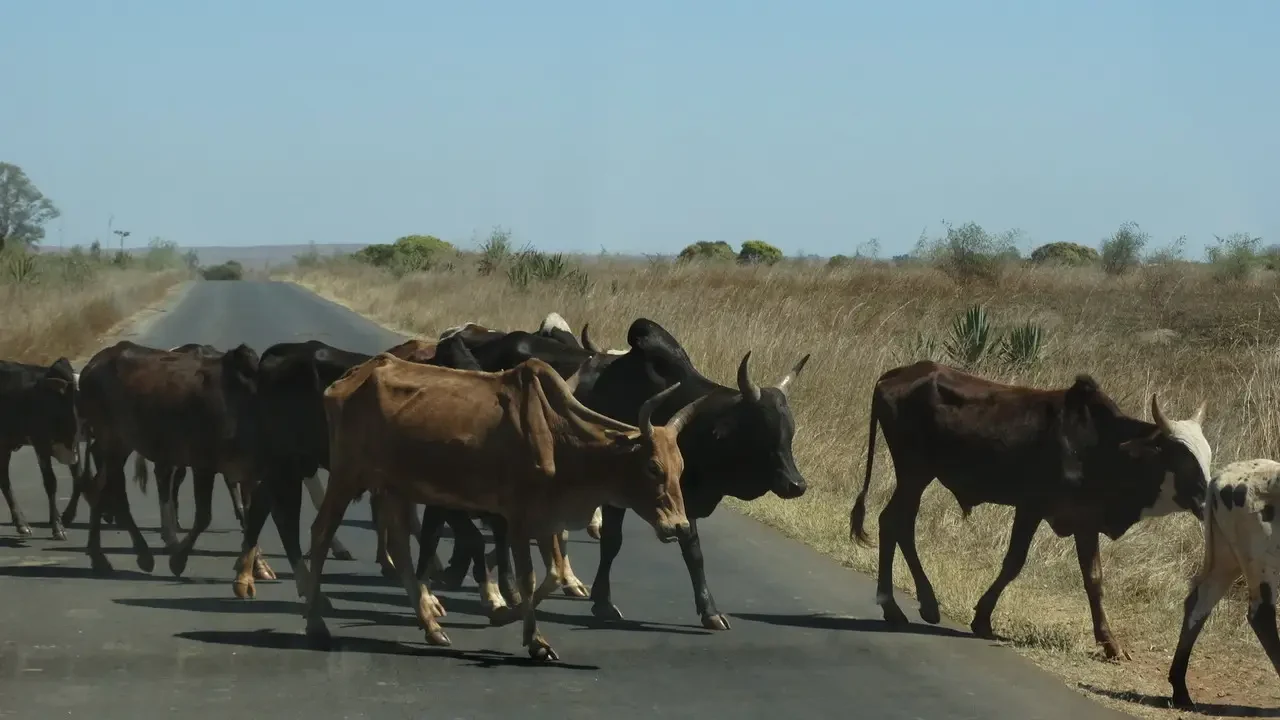
We crossed desolate lands where the poverty caused by water scarcity is palpable, it seems etched on the faces of the people as they walk along the roadside to obtain this precious liquid. Hubi has filled the bottles we used in recent days to take them to the children, so that they can also benefit from this precious container once empty, and saving them a walk of at least 10 km to fill the containers. Small gestures revealed by a great soul. Continuing on, the paved road We were suddenly surrounded by green forest, which had been completely absent until this moment.
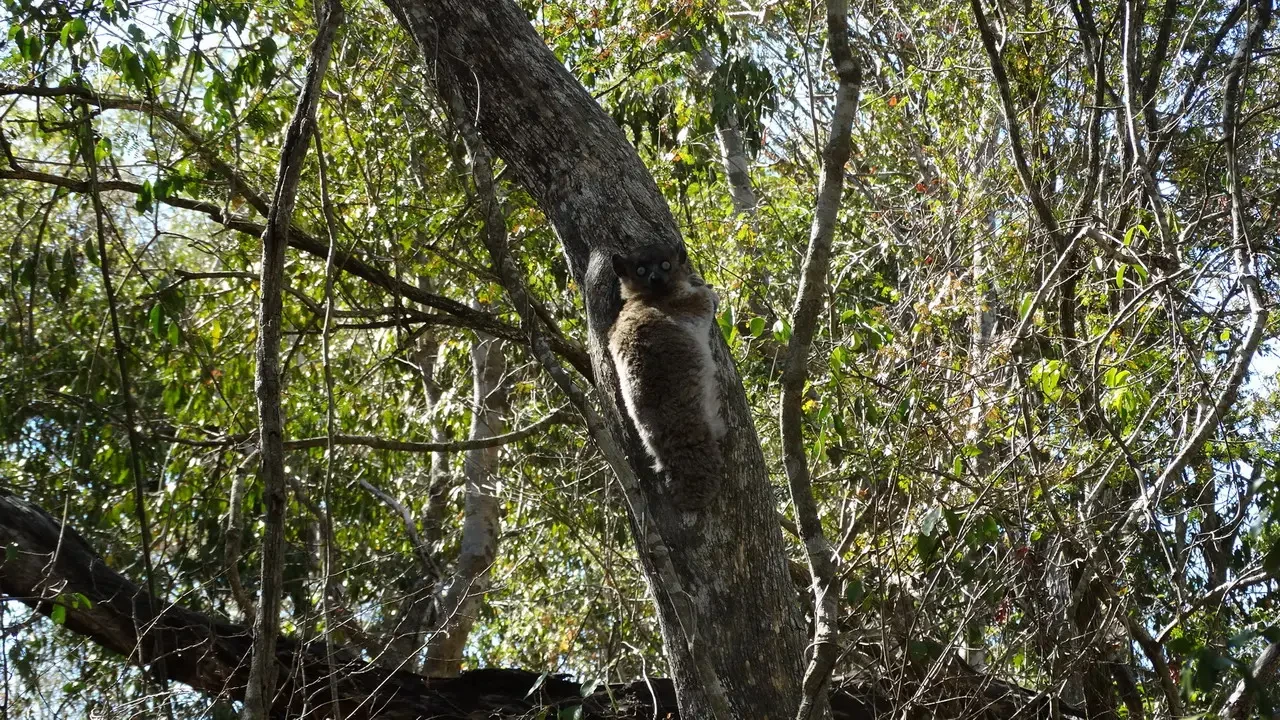
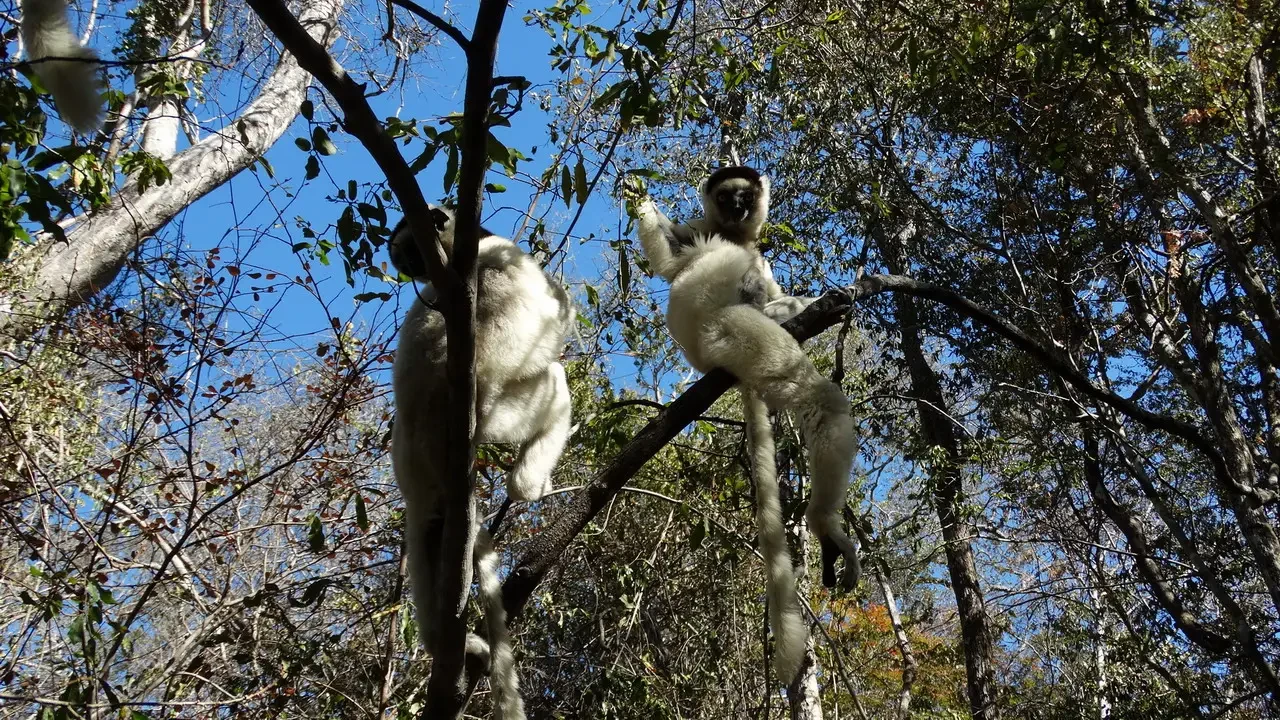
Huby exclaims "Surprise"! And here we are at the entrance to the Zombitse National Park, definitely smaller than the parks seen previously and with very few visitors. During the walk on flat paths, we see a couple of night lemurs I am eager to sleep. However, it is surprising to see them with their eyes wide open; they are the Sportive Lemurs accompanied by the Red-tailed Lemurs. Afterwards, we encounter a family of... white lemurs with a small, cuddly toy. Among the plants, there are some strangler figs, also clinging to another tree, climb upwards in a spiral until they suffocate it; a very interesting plant has roots that rest on several branches, as if it had been grafted upside down. The road continues in good condition, passing through an area where fruit is rotting, until Toliara.

The urban face of Ilakaka
We are practically on the Tropic of Cancer. It is a pleasant city with many buildings in a French colonial style and not too chaotic; at the entrance, there is a diverse range of taxi bus and truck adapted to transport people on the worst roads, those that lead deep into the south, all the way to Port Dauphin. As a community, we have moved from the Bara to another group of farmers, while there are two other groups living by the sea, one of which is made up of the Vezu, who are very skilled in fishing. We had a light lunch at a French-style tropical restaurant and then headed north along a well-maintained road, recently paved thanks to a Chinese company that operates mining activities for valuable minerals such as zirconium, ilmenite and rutile, as well as Ifaty. Otherwise, there are hardly any alternatives.

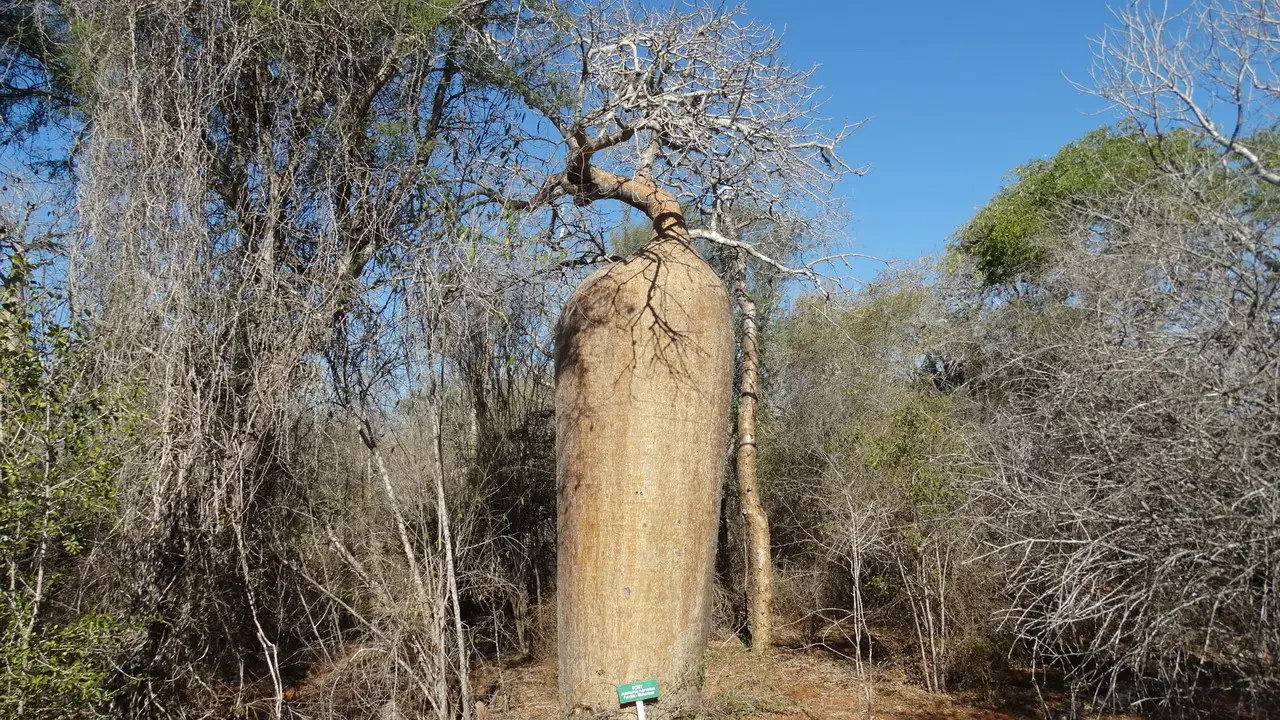
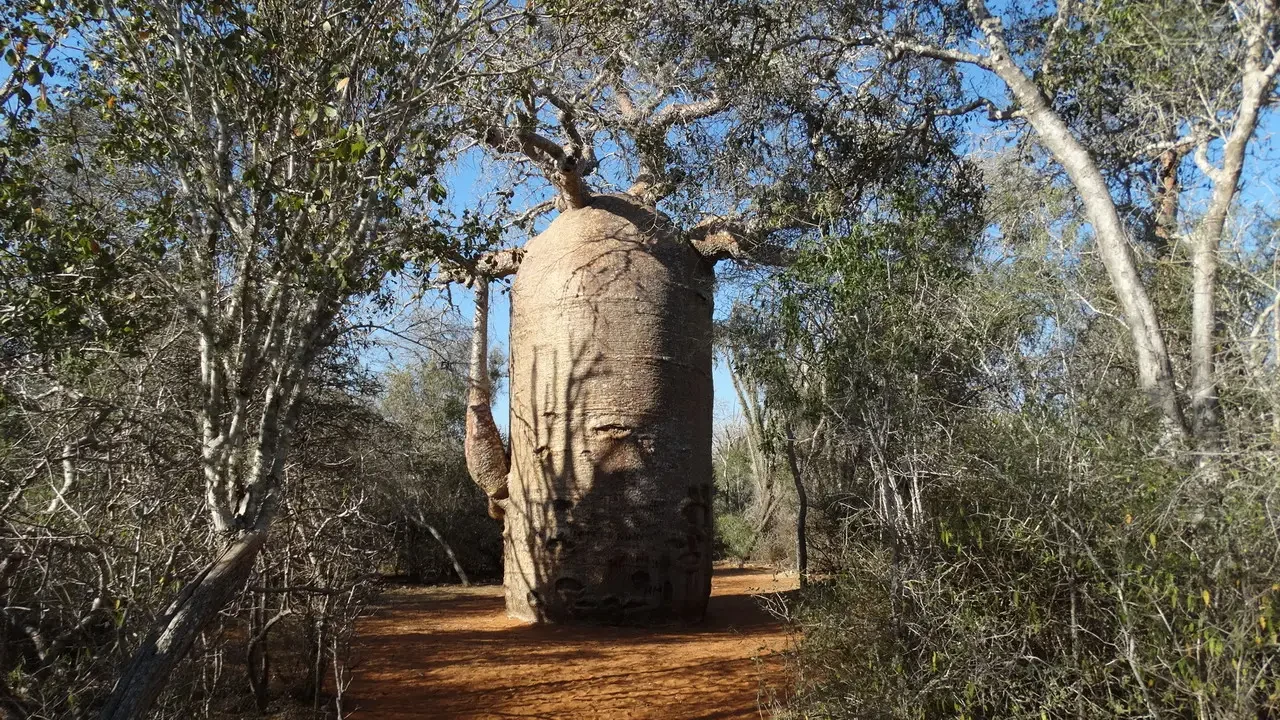
Reaching Ifaty no longer requires an hour on a terrible dirt road, but only about twenty minutes on an asphalted path. Before reaching our destination today, we will also visit the Renala Baobab Forest, which is located just after IfatyIt's a concentrated area of typical southern country vegetation, where it rarely rains and the thorny plants not only serve as defense but also to absorb the little moisture present in the air brought by the sea during the night. The visit will prove to be a very interesting experience thanks to the guide's expertise on local flora. Among the various baobabs, there is one called "fake baobab"; it can easily be recognized because the base of the trunk is smaller and rises in a vaguely conical shape. Its roots are shallow, the fruits are elongated, and at this time it is the only one with leaves, although it will lose them within a month. baobab I haven't seen any leaves here at all. There are three species of the seven present in the world (six of them are endemic to Madagascar). The Grandidier tree, for example, is missing, but there are the grey and red varieties, as well as the previously mentioned fake one. Some baobab bark has been cut down in the past and used in traditional medicine. They are used to increase milk production in postpartum mothers and to treat stomach problems. They were used centuries ago, but the scar doesn't heal. The oldest Among these natural giants, one species is approximately 1200 years old (requiring eight people to fully embrace it, with a circumference of 12 meters for an average height of 9 meters), while the others are between 200 and 500 years old. This longevity is due to their resistance to termites, insects, fire, and cyclones, with roots reaching up to five or six meters deep under the plant. Later, we will visit the nursery to see their slow growth; a one-year-old tree barely reaches about ten centimeters in height, while a five-year-old tree does not reach a meter. The size of an adult baobab is essentially due to the fact that its trunk contains a water reserve, which in the largest species can reach 100,000 liters. This allows them to withstand long periods of drought, which unfortunately also makes them vulnerable, as local populations have historically cut them down to take advantage of this valuable resource. In this area, those that have been cut down are regenerating, sometimes taking on unusual shapes; these strange forms can also be due to the seed itself, which splits or has deformities. One in particular grew as a single tree, but then split into two branches similar to pots, probably due to external reasons. The thorny plants are cut and replanted in the soil to continue their growth. If dried, they serve as an effective barrier against intruders. It is interesting to note how lemurs chased by fossa are able to jump from one thorn bush to another without getting hurt, which remains a true mystery. Some baobab trees have been carved so that we can climb them and collect their fruits... as if it were a carved staircase, and its signs are still visible today. Indeed, the fruits must be harvested from the tree; if they fall to the ground, they become food for termites and other insects, making them unusable for human consumption. Speaking of termites, there are two types: red and yellow. When the red ones penetrate into the trees, the yellow ones fill the cavities created by the previous ones with sand brought in their mouths and solidified by the little saliva they possess. The trunk remains standing, but when you see the sand coming out of the bark, you can rightly think that the tree has reached the end of its days. There is also an implicit collaboration between the two species of termites for building nests, making them perfectly complementary. To kill them, you need to wait until the nest becomes very large and tall, then cover it with a white/grey pigment; at this point, you can set fire to the termite nest. Baobab trees grow taller first, then wider, up to 1 cm in diameter per year. Another tree, the only one with green bark, is also able to exchange chlorophyll from the trunk. Here, rainfall barely reaches 240 mm per year and are concentrated during the summer season when it rains all together in a few days and the temperatures are even higher. Now we have 28/29°C with dry weather. The thorny plants are represented by Octopus, which is also the tallest, easily recognizable as the surveyor of Madagascar, since it always faces south. The wood from four trees present is essential for building canoes: one has soft characteristics and is carved to build the keel, another for the balance beam, another for wooden seats, and finally one for oars and the mast (strong and flexible).
There are also chameleons and snakes, currently resting in burrows underground. There is also a monkey rehabilitation center: in the past, local hunters killed the animals for food, and the young were kept in captivity. Currently, keeping them is strictly prohibited, so they must be handed over to specialized centers that try to feed them with natural foods to make them suitable for life in the forest again. So far, 16 have been successfully released.
As the afternoon begins to lengthen the shadows of the sun, we set off for a few kilometers north to reach the hotel located in a magnificent position by the sea. From an aesthetic point of view, it is very nice to have the sea almost touching your feet in the bedroom; from an environmental perspective, there is much to say. Thanks to the high tide, separating the room from the waves is only that which we would call a promenade on our coasts. The next morning, the situation will be different; fortunately, we are not in a seismic zone and the risk of tsunamis is almost zero. However, we wonder what might happen during storms, as the Mozambique Channel is not known for being always calm. Perhaps the coral reef, just a few kilometers away, provides a natural breakwater. It's still daytime, so we take the opportunity to go for a walk in the adjacent village. Ambolimailaka We are in an area far from everything; the population lives thanks to the sea, in a kind of symbiosis that we will have the opportunity to appreciate during our 24-hour stay. The main street becomes the only one still paved for several kilometers before disappearing into nothingness, leading towards Morondava. For those who attempt this route, it takes three days of bumpy travel. The village is in the classic style already seen: huts on both sides, makeshift stalls selling mainly food, children running around and adults carrying all sorts of materials on their shoulders or heads, without other means of transport. At the back of the village, we venture to look for an exit towards the sea. We feel like we are being watched; it is not common to see pale faces wandering around here, but after a few hundred meters, we spot the boats, proving that beyond the last sandy hill there must be the coast. The real spectacle comes from this mix of small boats pulled up on the shore on the sand, in a maze of skillfully carved and painted wood, from which fishing nets hang, with the glowing sphere descending until it plunges into the western sea. The colors take on warm tones. every color is enhanced like a work of art, many are truly amazing. We take off our shoes and proceed in the direction of the hotel, following the edge of the beach, which is often submerged in water up to the knee because the tide has essentially disappeared the beach. In the meantime, the sun, which is getting further away but becoming increasingly orange He is about to say goodbye and arrange to meet us again tomorrow morning, right across from where we are now. Let's go and have a look at some more… mangrove swamps, fascinated by these plants that can tolerate seawater due to internal chemical reactions or by expelling it through their leaves.