Day 8
Tsaranoro Valley
Tsaranoro Valley: An African version of Yosemite.
Morning in the Tsaranoro Valley
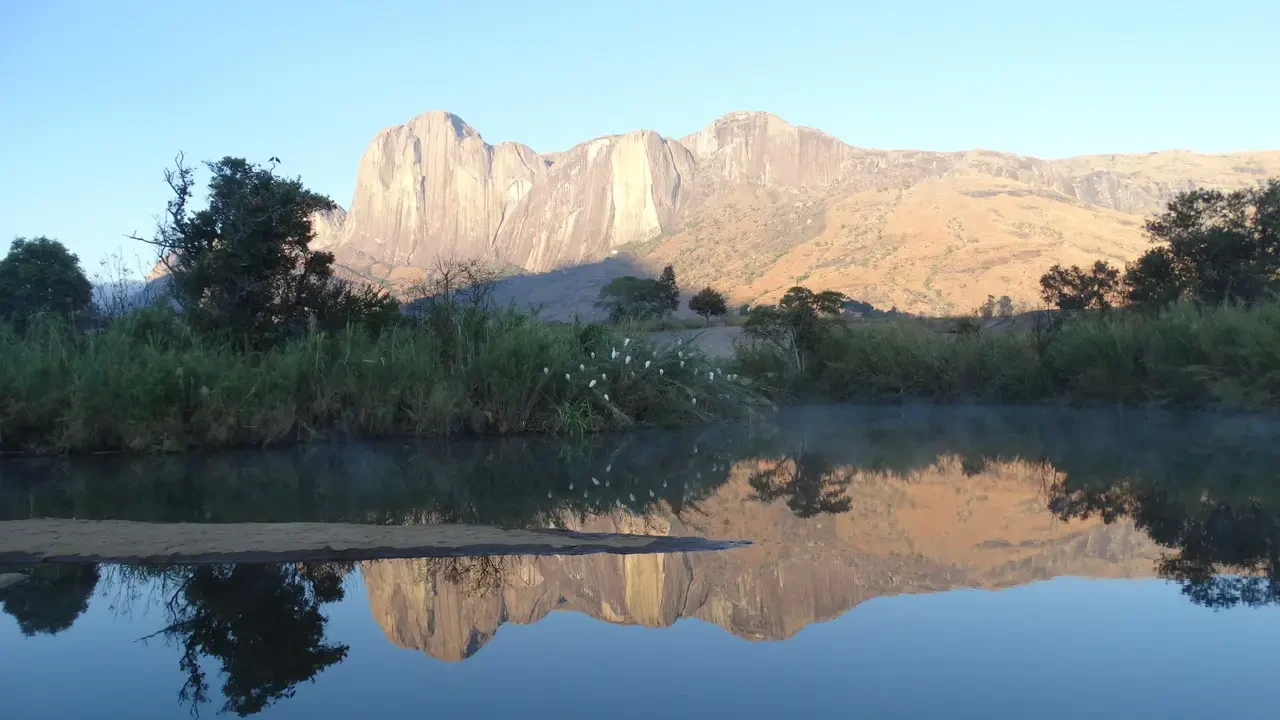
We leave the bungalow shortly after 6 am to see a sunrise that we hope will be memorable, bringing together the power of the sun and the majesty. granite of Mt. Tsaranoro, the tranquility of a small lake where a small waterfall flows and the gentle touch of white seagulls still sleeping on a tree at the water's edge, doubling in size as in a painting whose author, Nature, we readily recognize as the artist to whom credit is due. By 7 am, we are ready for breakfast, while our eyes have already been refreshed by such sights. At the entrance to the park, the guides are waiting for customers, playing pétanque amongst themselves, while the sun begins its daily ascent. There are very few foreign visitors; we meet our guide, a young local boy who speaks good French, and with him, we set off on a 4-hour tour: we pass by cassava fields to reach Camp Catta, which takes its name from the lemurs that stay there (also known as Ring-tailed due to the charming, striped lizards, which are also a symbol of Madagascar. A large family enjoys the first morning sun: They play with each other. and offer us a show from which it is difficult to take our eyes away.
As we walk along the park trails, we encounter several interesting things: a plant that is poisonous in itself but can be used to relieve toothache when taken in small doses, another contains a sticky substance and is used for this purpose, and one whose leaves resemble glass. The last two are used by locals to repair bicycles, in a handy kit that can be found all over the streets. There's also one with a whitish liquid inside, which is used to sedate fish in the lakes and make it easier to catch them with a net. carnivorous plants insects, sensitive plants, two types of non-native eucalyptus trees, mango trees are found everywhere, figs, guava and medja (which the lemurs enjoy eating, first the leaves and then the fruits). Agave is used to make ropes; our guide demonstrates this practical activity: a leaf is cut off, held in place with one foot, and peeled until only the very strong fibers remain. These are then woven together and tied at the end. When the vegetation starts to thin out, the hand fans made of palm leaves they provide us with a compass for orientation.
Traditions and spirituality
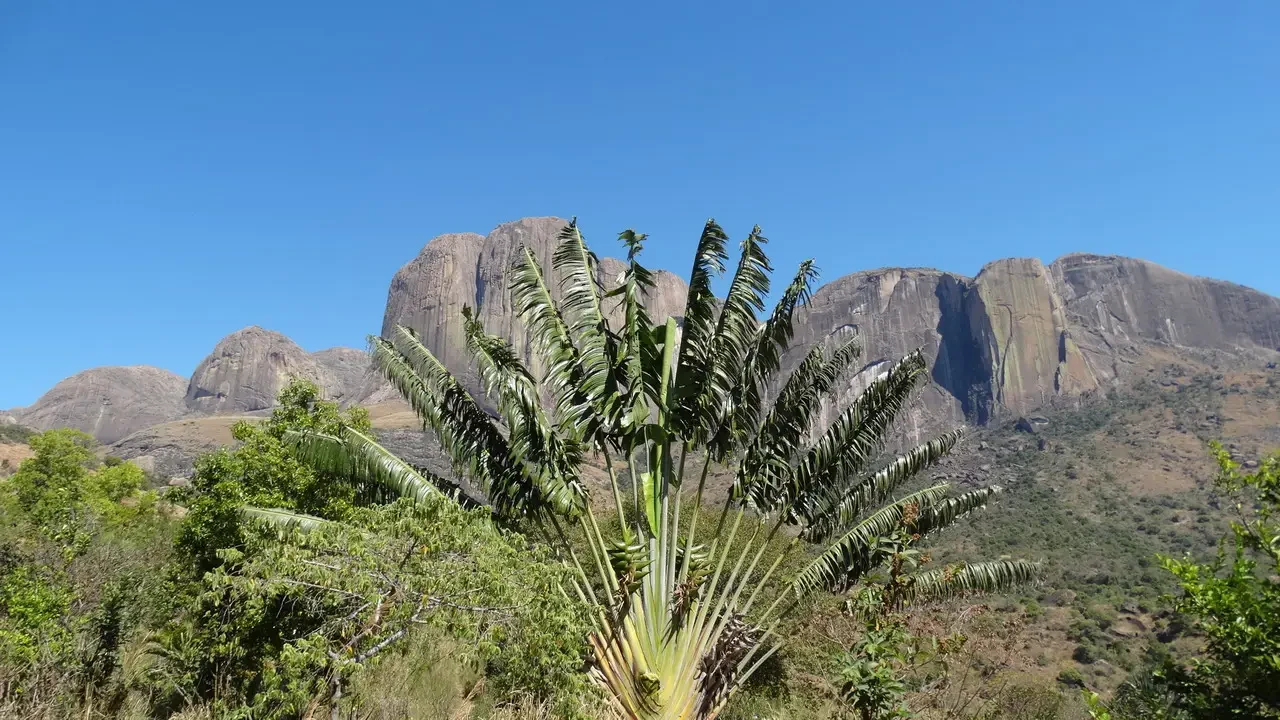
We also pass by some places. tombs: these can be temporary or permanent: the first belong to foreigners who have died in the area, a classic example being cattle thieves, who if caught suffer a terrible fate. Usually families do not claim the bodies to avoid being lynched, as they were unable to raise their children properly. The second ones are those of the locals. Stealing cattle is a very common practice (a mature animal costs around 500€ and is slaughtered when it is 3 or 4 years old), especially among the neighboring Bara tribe, who have the rule of stealing one calf for the prospective groom to demonstrate his capabilities to the future wife. This activity carries risks, as if the thief is caught he does not escape with a warning, usually he is killed. We can see this in particular, the skull belonging to a cattle thief from about fifty years ago. Even today, among the Betsileo and Bara tribes, relations are not good while they are definitely better with the Merinas. While we are talking about thefts and relationships between tribes, we pass under the impressive Mt. Tsaranoro, which we have not hesitated to define as "El Captain" in Africa. It is about 1900 meters high and its name comes from Tsara and Noro, the names of two daughters of a king who were killed two centuries ago during a war against the Merinas. Unfortunately, the king went mad and subjected the population to absurd demands that caused immense hardship and oppression for those who had to comply with the imposed work. The Mt. Chameleon, whose rounded peak perfectly resembles the profile of a chameleon, reaches about 1550 meters.
There are also quite a few snakes here, and they are resting during this time, but they are not dangerous. However, there are also spiders and poisonous plants that require attention. We hear the same true story about ants that feed the snake until it can no longer come out of its burrow, and then feast on its own flesh. Our trip is now leaving the natural part to enter the villages. Here we see a family of artisans busy with... working with iron to create simple tools or plows. The daughter turns a turbine that generates the ventilation needed to keep the wood charcoal burning, in which the metal pieces are placed. The father skillfully hammers the metal and gives it the desired shape. He is now elderly, with only a few teeth left in his mouth, making him speak incomprehensible French, but with his hands he can mold every piece of iron that his son holds securely with pliers.
We pass by the medical clinic, a point of first aid; there are no doctors, only a nurse and a midwife working there, which is very helpful given the large number of children. They are currently quite peaceful as they don't have any guests. We briefly speak with them and discover that the most common reasons for hospitalization are fractures, diarrhea, malaria, but also plague. In the north, by talking to the locals, we will learn that measles has killed several people, while the plague has claimed victims, although in a smaller number.
Everything is very simple and clean; when the cases are mild, they perform treatment and patients return home. If they come from further away and require hospitalization, they can be kept here, and there are also rooms for family members to assist them. In the case of more serious problems, the sick are taken to Ambalavao, where there is a missionary hospital, but this operation takes time. In these places where life is difficult, when you get sick, you often find yourself facing a situation where death is the only solution. It's therefore very comforting that they don't have any visitors at the moment. We conclude our tour amidst the crops that provide sustenance for the villagers. They are able to grow only one type of rice, planted in November/December and harvested around March/April. At this time, the herds of zebus are grazing on the high pastures, from which they will descend at the beginning of the rainy season for agricultural work. Here too, there is no shortage of water: we are not in a state of extreme poverty, but given the relative abundance of natural resources, one would expect a greater level of development. It should also be noted that we are in a remote area far from any urban center capable of stimulating the economy. A light lunch to avoid getting tired; before 1 pm, we are ready to face the next five hours of travel.
They will take us to Ranohira. It takes at least an hour and a half of rough road to return and pick up the RN7, then head south towards Toliara. We'll stop briefly to admire a chameleon I tried to cross the road, moving slowly like an elderly person suddenly speeds up when he notices our presence and perhaps also the camera. Still soft hills, well-cultivated. In the morning, the thermometer showed 13° while now it's around 25°, which is pleasant because the ventilation ensures a certain coolness.

The urban face of Tsaranoro Valley
In countries with over 1000 inhabitants, there is a mayor, while in smaller communities, the authority is vested in a village head, typically represented by the oldest person, who also acts as a judge to resolve any disputes between families.
Let's enter the territory of the Bara family.
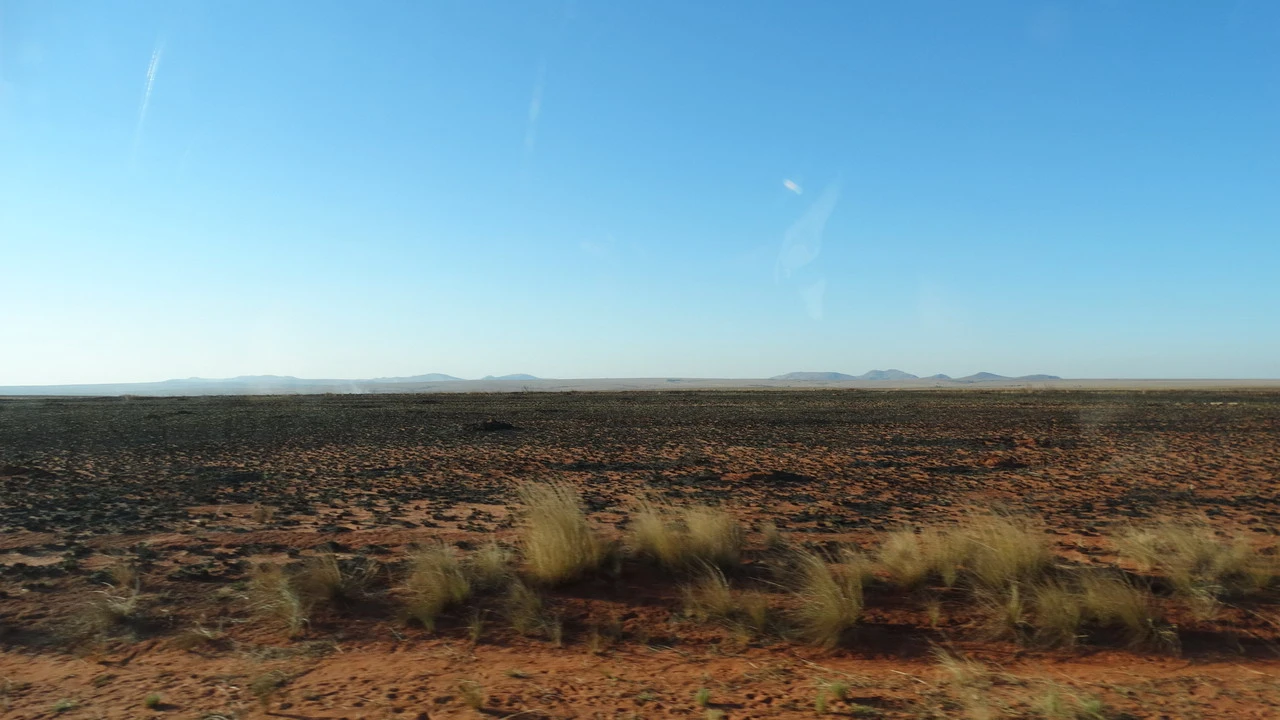
The first stop is Ihosy, while we also refuel and get to know the local population. They are definitely very dark-skinned, tall and slender. Their origins can be traced back to Bantu populations from somewhere in Africa. They are not well regarded by the surrounding tribes due to their tendency to steal zebus and more. Traveling through this area at night is not recommended for anyone, as the "taxi brousse" that travel the route from Toliara to Tanà in two days travel in convoy and pay close attention during the dark hours. They are fundamentally friendly, but those who live here must be cautious: there are groups dedicated to stealing entire herds, which can number up to 100 people. To attract animals, they use a system of runners, where the first ones lure them into running while the men alternate in leading the herd. Then they set fire to things or zigzag to make it difficult to track them. Sometimes they send an advance scout, so if you see a stranger wandering around the village, the Betsileo people usually become suspicious. The shamans help provide information on the best times to strike. As a result, the guards are armed with rifles and will not hesitate to shoot if necessary. Even outside our camp in Ranohira, we will see a guard patrolling armed. In case of an attack, thieves generally do not harm people; they want to seize the animals. However, anyone who resists may find themselves in serious trouble. We stop to fill up (3400 Ar for gas, 4100 Ar for petrol, almost €1, very expensive according to local standards) and get a glimpse into everyday life. The road winds along with some curves until it reaches a plateau at around 1000 meters, which is vast. burnt grassland in order to ensure that the grass regrows quickly before the expected rainfall from November to March. In the distance, you can see the smoke from new fires. Large herds of zebras graze freely in a dry and yellowish landscape, while the The sun begins its relentless descent. towards the end of the day. Just before arrival, we now head towards the mountain range and virtually set fire to the dry grasslands in a vibrant orange spectacle. When we are still about twenty kilometers away, we can see the massive Isalo National Park, which takes its name from the area, which in turn derives from an endemic plant, unique to this place.
We arrive at Isalo Ranch where we find a round-shaped bungalow and dinner with, unsurprisingly, zebra meat!