

Day 14
Sacred Valley
Chinchero, Moray, Maras, Ollantaytambo and Pisac
Chinchero and the colors of the Sacred Valley
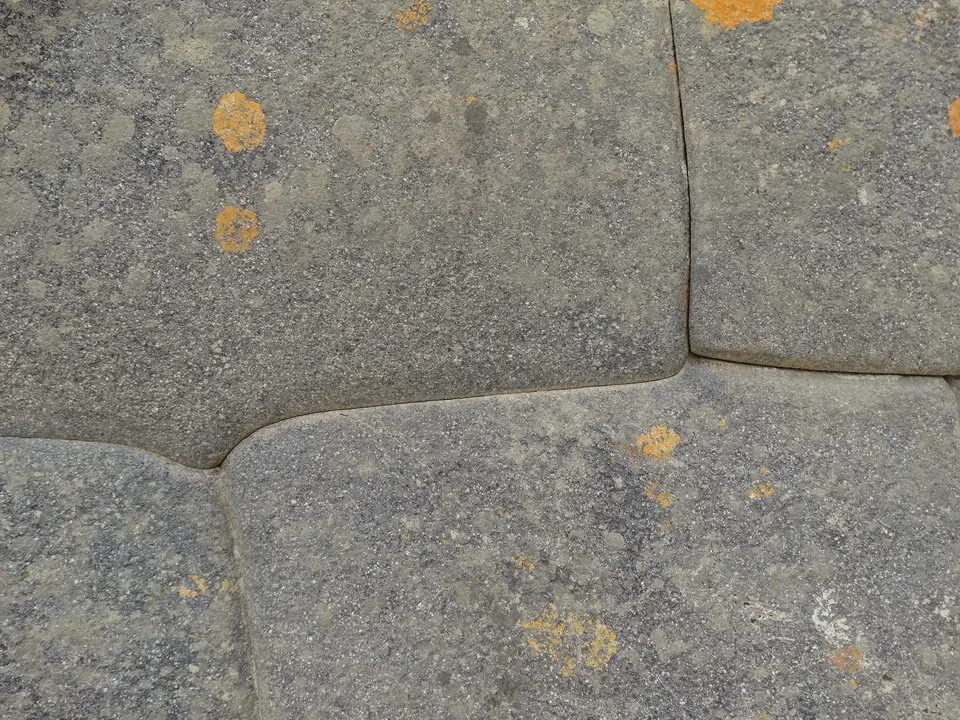
Also today, early morning departure with an alarm at 6:30 am; they pick us up and we head to explore the Sacred Valley, which we have partially visited before, but without actually visiting it. We depart from Chinchero, which we particularly admire for its location, nestled on soft hills that stretch out towards the horizon, all surrounded by lush greenery. The village stands out due to the church built on a sacred Inca site and the terraces used in the past for cultivation. We are also captivated by the perfect arrangement of stones that form the walls. The market It's always a spectacle, especially from a chromatic perspective, where the colors of the displayed garments and the exhibitors stand out. For the benefit of tourists, we then witness a washing and dyeing process with vegetable products, cochineal, and wool. We also get to know the local artisans who work with Indian pigs, seize this opportunity.
Recent news reports that a new Cusco airport is planned for Chinchero, currently located in the urban area; from an environmental perspective, it's a shame given the beautiful landscape. We continue to Moray, an ancient pre-Inca village, which descends concentrically like a stage, with the difference being that these were workshops intended for experimenting with agricultural species to be transplanted in other areas. Growing in a protected and thermally suitable environment strengthened the plants for subsequent cultivation in open fields.
Moray, Maras and the geometry of salt.
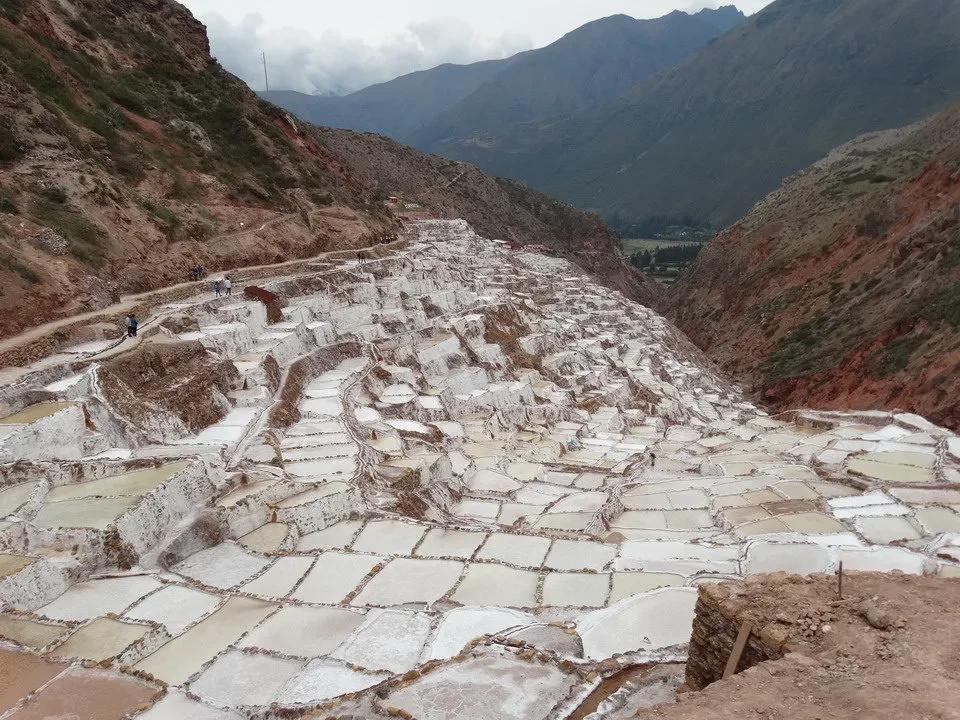
The village of Maras has little to say, except for the monument located in the center of the square, which highlights the unique features of the area: churches, Terraces of Moray, salt flats and Inca life. And it will be precisely the amazing Salinas de Maras our next destination: terraces with different shapes, colors and structures compared to those in Moray, these collect salt through a small stream of hot water with high sodium content originating from the rock. Work is carried out exclusively during the dry season, as frequent rains during the wet period would prevent evaporation. The resulting salt is divided into three layers: the one at the bottom is mixed with clay and is used solely for medicinal or cosmetic purposes, or given to animals; the central layer contains a more valuable pink salt, while the upper layer forms white salt suitable for use in cooking. Each basin produces approximately 100 kg of salt per year.
The presence of such a salty underground water also has its downside, as the water from any wells in the region is too salty and therefore unusable for irrigation. The salt pans, which were already known and used during the Inca period, provided this valuable seasoning in ancient times. The salt pan was created because there was an ocean in this area in antiquity, as evidenced by the discovery of numerous fossils right in Cusco. The sight of this white landscape is very impressive; it seems like there has been a partial snowfall, while everything else in the valley is covered in green. We descend towards the bottom of the valley to reach the town of Urubamba, where we will enjoy a good buffet lunch.
Ollantaytambo, Pisac and the evening cuy feast in Cusco
Heading north, the next stop is represented by Ollantaytambo... the city that was once home to the Inca civilization. Many surnames still refer to this civilization, and the houses, at least the foundations and lower parts, are original. We climb along the high terraces of the ruins to reach the point where the temple is located, from which we can admire the city spread out below and the mountain in front, which is very interesting. In the meantime, for the two rocks that, with a little imagination, we can recognize as anthropomorphic, they actually represent two profiles of human visitors high dozens of meters. They are not easy to recognize, but once identified, they appear to be sculptures carved by nature. On the same slope as the rocky mountain overlooking Ollantaytambo, there are also warehouses, confirmed by the presence of food remains.
The fortress of Ollantaytambo also raises unsettling questions about how it was possible to transport such large and heavy stones. Given that the irrational hypothesis of extraterrestrial assistance is ruled out a priori, the only remaining explanation is human ingenuity, similar to that used by the ancient Egyptians for building the pyramids. The whole thing takes on a particularly interesting character, given the impressive ruins, the city which blends past and present, and the mystical vertical wall that looms over it. Let us leave this picture of magic as we conclude the circle that will take us back to Cusco, visiting Pisac, where the historic ruins stand on its hill, right in front of largest cemetery in South America.
It is actually a vertical cemetery, located on a steep wall made of earth and rock, which will certainly have a strong religious significance. During the Inca period, holes were dug inside which the bodies of the deceased, along with their belongings, were buried; these belongings were plundered during the colonial era; currently, only scattered bones remain. It is believed that there were large quantities of gold and precious metals intended to accompany the spirits in the afterlife. The location of the tombs reflects the role they held in life within the community, as well as some that are protected by small brick houses: it is thought that they were mayors or authorities. Interestingly, above the cliff dotted with funerary holes, there is a village connected to the rest of the world only by paths; children must walk down for two hours and up for four to go to school. It is clear that during the week they live in the town of Pisac. We wander among the ruins, in a dominant position overlooking the valley, when at some point our eye falls on the mortar that holds the stones of a house: upon closer inspection, we see some dark hair, confirming what was told to us, that the Incas used it to bind the mixture. It seems incredible to find a pre-Columbian human artifact.
The area has always been rich in gold and silver mines, to the point that there are still several jewelers here where precious metals are worked, with stones being set into them. When it's 7 pm, we're back in Cusco and tonight we can finally find a restaurant in peace. We choose one recommended by a fellow traveler on Avenida El Sol. And here we have the opportunity to taste the delicious Peruvian dish. the Cuy or Indian pig The meat isn't bad, similar to rabbit, but the carving required to separate it from the bones is extremely laborious, and by the end the dish cools down. However, it was a good experience that I wouldn't repeat once a week, despite locals claiming it's the dish of the future, rich in protein, without cholesterol, etc. The presentation is also quite macabre: sitting with an open mouth and a tomato serving as a hat. After taking the customary photos, the waiter brings it back to cut it into three pieces, and from that point on, the attempt to extract the delicious meat begins. We accompany this with Cusquena Negra beer, which has become one of my favorites.


