Day 16
Lima
Visit to the capital and return.
Lima between referendum, historic center and central market
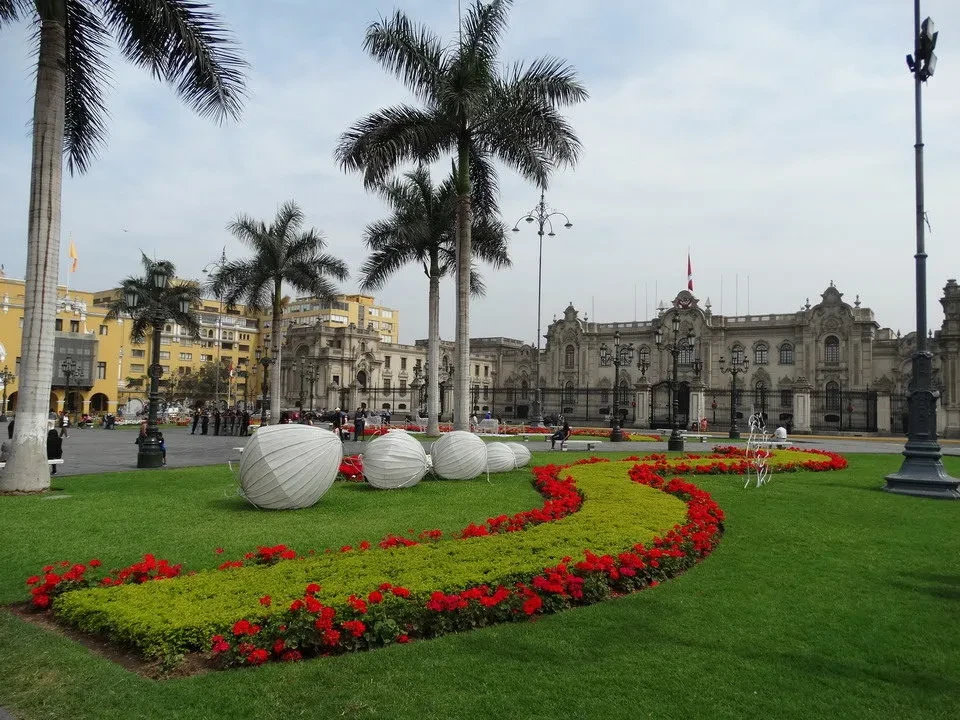
Even though the alarm goes off at 7 this morning, likely marking the day we slept the longest, we enjoy a wonderful breakfast on the hotel terrace, in the quiet of Lima's upscale neighborhood. Today is December 8th and it's also Sunday here, so they are celebrating Immaculate Conception. We head to the city center for a visit to the capital, which, while not deserving a trip on its own, features several monuments of definite interest. We arrive at Plaza de Armas and it feels like we are under siege. At this point, we recall all the political debates we have casually heard in recent days, which focused on today's referendum. Citizens must vote on four constitutional amendment questions, and the vote is very important. In order to avoid demonstrations, the police have parked a fire truck prominently in the square, along with several soldiers in uniform and with shields. However, the situation appears calm, and their presence serves only as a preventative measure.
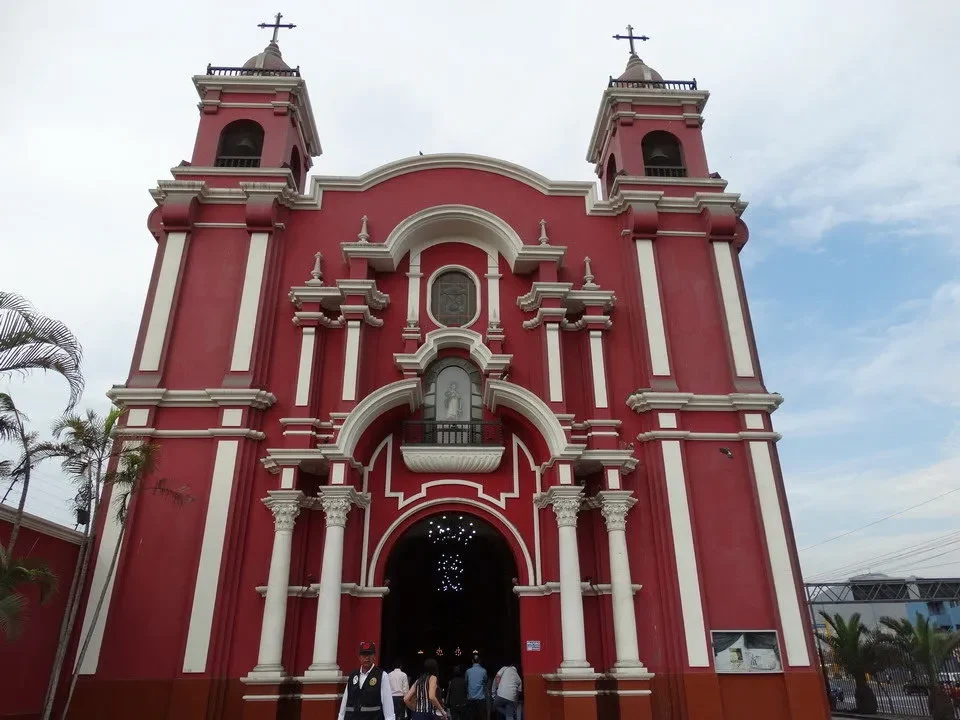
Actually, the churches are full of people celebrating their first communions, similar to what happens here during spring festivals. The cathedral It is still closed, so we take the opportunity to start our visit at Jr. de la Union, a pedestrian street where you can find the Iglesia de la Merced, inside which stands a statue of Christ sitting on a chair and wearing a tunic. The nativity scene is beautiful, and the children enter dressed in white for the ceremony. San Martin Square, named after the architect of Peru's independence, is located at the end of the street. We are not satisfied with the markets we have seen so far and wander among the stalls of Mercado Central, which is also covered and rich in interesting products on display, especially food items. Here too, it is a feast for the senses with absolutely inviting appearances. For obvious reasons of proximity to the ocean, the fish department appears to be the most appealing; it's difficult to resist such a wide selection.
San Francisco, Chinatown and the final steps in Peru
We return to Plaza de Armas, where there is a meeting at 12 o'clock. change of guard It's not as impressive as the one in London, but it is definitely interesting. At this point, we can continue our tour through the streets around the square and end up at the Chocolate Museum, which is actually a well-stocked shop that provides comprehensive information on the cultivation and processing of cocoa through guides and explanatory signs. During weekdays, they offer two-hour workshops where you can see the transformation process from the bean to the finished product. The visit to San Francisco church it allows us to witness a parade: the statue of the Madonna is just coming out of the church, carried on shoulders by older gentlemen belonging to a confraternity, at least as can be seen from their uniforms, and accompanied by the singing of the faithful. The two beautiful Catholic mandalas, now already walked upon, were prepared with rose petals and other flowers by delicate hands.
The interior of the church is stunning and has several features in common with others I have already seen, for example, the narrow arches, which likely served an anti-earthquake function. Lima also had its own… defense wall and some remnants remain in the area near the Rimac River. The rest was demolished to allow for the expansion of the city, with Cerro San Cristobal standing above it, offering beautiful views on the rare days when Lima is not shrouded in fog. Today there is little humidity and the view would be decent, but they advised against going as the road is closed and walking up could lead to unpleasant encounters. The walk continues towards the area of Conference, imposing and painted white, and a quick jump of Chino District, the Chinese district near the market, overflowing with people on this festive day. We quickly leave to enjoy a well-deserved last lunch: anticuchos, beef heart skewers, lomo saltado and grilled fish. A truly appreciated farewell that will soon turn into longing for Peruvian cuisine, which we had already admired before our trip.
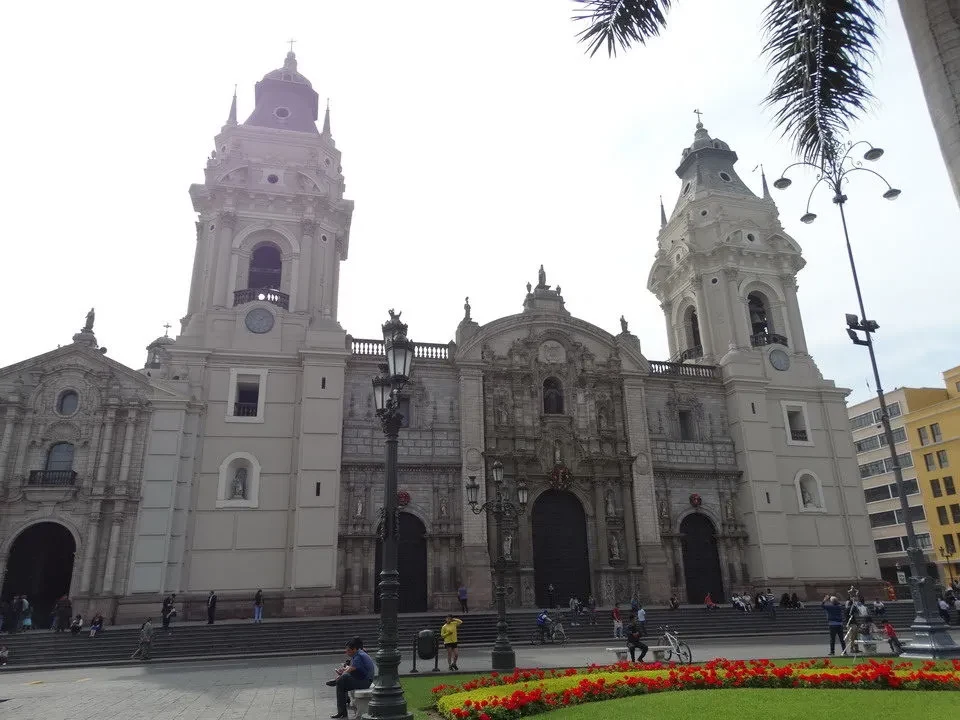
The final part of this journey sees us wandering through the streets of the capital to visit the Sanctuary of Saint Rose of Lima, the first saint of the Americas, the church of Santo Domingo, and the friendly Post Office Passage Central, a covered street adorned with beautiful pink buildings and frequented by souvenir vendors. We were still missing the cathedral, which had been closed previously, but we admired it in all its splendor. However, even as the credits of our journey began to appear, we noticed a painting on the right side, at the back, depicting a ship preparing to set sail. Soon, we too will be departing from Peru to return to Europe, although by different means, given the circumstances. But unlike Francisco Pizarro, who rests within the cathedral, we will not be taking away Inca treasures. The only treasures we will take with us will be the memory of this experience and a great respect for a civilization overwhelmed by weapons, in the name of a faith that served solely to justify power grabs and usurpations.
A great past remains somehow in the DNA of a people. Just as today's Iranians embody some qualities of their rich history, Peruvians cannot simply be categorized within the Latin population. Despite being found in poverty, most of the population retains a sense of nobility that distinguishes them, which is difficult to identify until you encounter Peru and its people.