

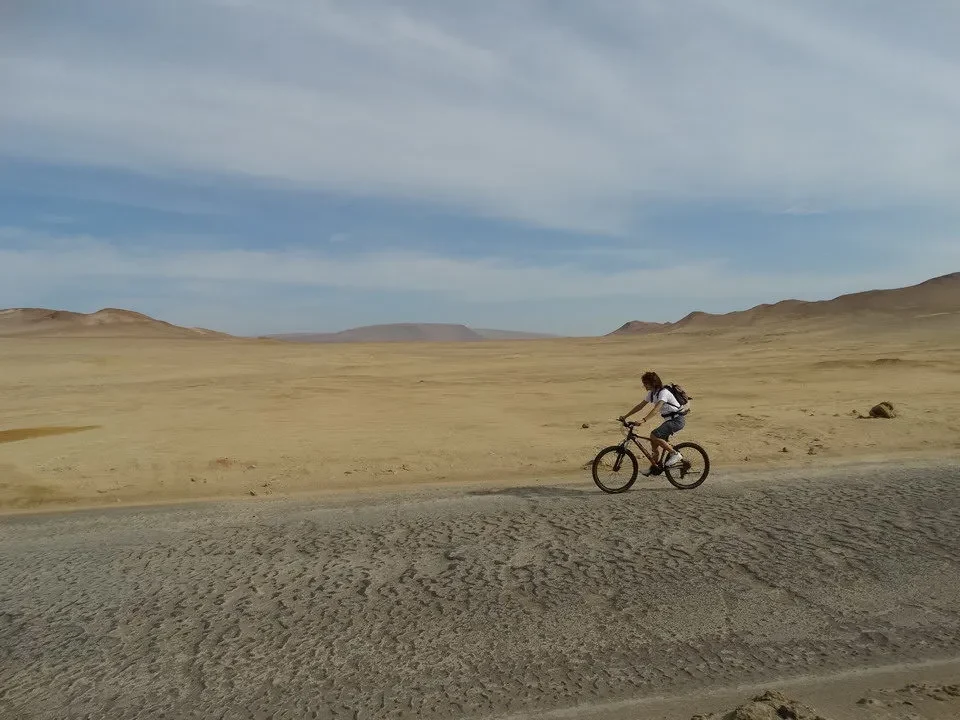
Peru and Bolivia
A journey to the heart of the Andes: Inca mysteries in Peru and lunar landscapes in Bolivia, lands of ancient cultures.
Map
Peru and Bolivia map - complete itinerary
Going to hunt for interesting sights in the lands of the Incas was something we had been planning for several years, a civilization that evokes a sense of magic mixed with curiosity about what has not yet been discovered and perhaps will never be. The mysticism in these lands comes from both its deep past and the beautiful cathedrals, but also from the syncretism associated with animistic beliefs. Today's Peru is an economically growing country with relatively stable social conditions and a strong political participation. Reading Lonely Planet gives a completely different impression: wild strikes, frequent thefts, poor hygiene, and instability would dominate. Of course, there are neighborhoods in large cities that it is best not to visit, as we have heard about in recent months, but the experience was far less concerning than what I read. In all cases, people were friendly and helpful, without being intrusive when there were economic interests at stake. It's true that you can find vendors selling any product or service imaginable everywhere, but their offers never turned into harassment: a simple gesture indicating that they were not interested was always enough to keep them away. A characteristic of the high-altitude Peruvian character that we had not anticipated is their behavior, which is less Latin; it should be remembered that in the veins of the descendants of the Quechua (whom we call Incas) there is no Mediterranean blood, and this is immediately apparent in their guarded attitude, which is less inclined to smile but more attentive to keeping their promises. Not all countries in South America are the same, and Peru has a higher indigenous or mixed population than others; this explains how they have evolved. However, there will be other sociological aspects to highlight later in the report.
Bolivia has also come within our reach, as La Paz is not directly accessible from Europe, but it combines well with a visit to Lake Titicaca. The southern part, including the Salar de Uyuni, could be the subject of a future trip combined with the Chilean Atacama desert. It seems to have fallen behind by thirty years, at least judging by the government rhetoric and superstitious beliefs. Overall, a positive impression, of people proud of their past but also of the present.
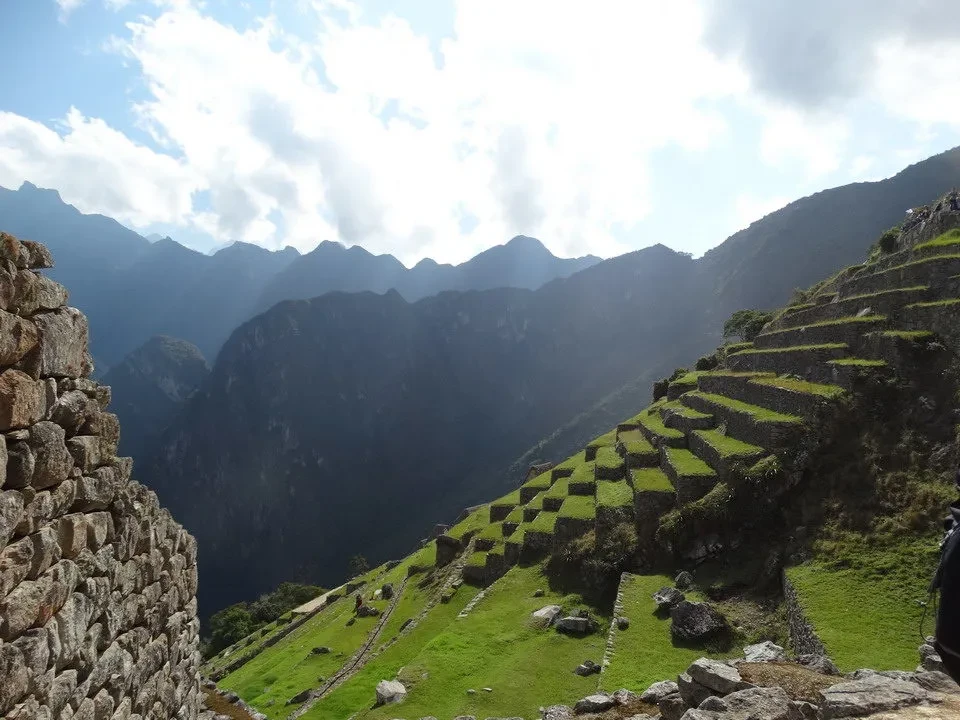
PRACTICAL INFORMATION:
-
The trip: It's not advisable to travel independently by car, nor is it recommended to rely on agencies (even local ones), as you might end up with almost double the costs. If you can forgo the convenience of airport assistance and have a guide who speaks Italian, the best option is to organize everything yourself online. Traveling by bus is the norm, and you'll meet interesting people. The routes are also easily bookable on very user-friendly websites. Before or upon arrival, you can book hiking and excursions, paying attention to the costs, as the service offered doesn't differ much between various agencies.
- Visa: it's not necessary and the entry procedures are quick, both in Peru and Bolivia.
- Currency exchange: It's best to bring Euros and exchange them at the booths located in the most commercial cities. Some services are calculated in USD, but you can also pay in soles, although the exchange rates may not always be favorable. If you don't know, exchanging on the street was sometimes more expensive, plus there was the risk of having fake soles in your pocket.
-
Credit cards: the hotels usually accept them, as do mid-range and above restaurants.
Costs: eating well and spending little is the rule, as are mid-range hotels which are usually affordable. Other services and entrance fees are also generally acceptable. Cusco is an exception, where the high tourist flow has increased prices due to lack of competition (entrance fees and transport if you decide to go by train to Machu Picchu).
- SIM card: it's worth buying one locally, it's cheap and you're practically connected everywhere (in relation to our trip).
- Electrical outlets: Even though we bought an adapter, it wasn't needed. The outlets are compatible with ours, but they only have two sockets, so if you have plugs with three prongs, you will need an adapter.
- Languages Obviously, knowing Spanish opens the door to communication with locals, and this should be the main reason for a trip. English is still sufficient for logistical and tourist needs.
- Risks: see introduction
Itinerary
Travel days
Paracas
Paracas and the National Reserve
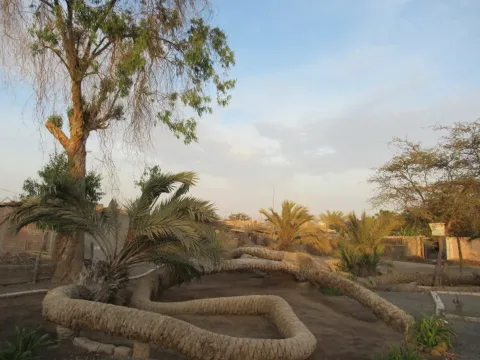
Isla Ballestas and Huacachina
From the Ballestas Islands in the Pacific Ocean to the Huacachina desert in just a few hours.
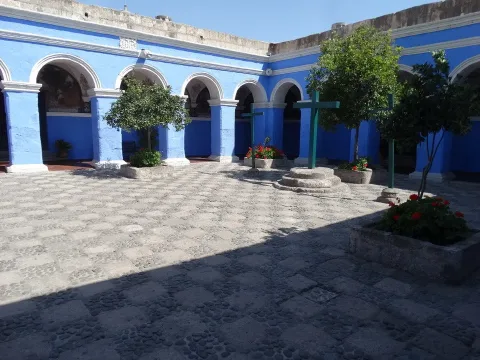
Arequipa
The white city of Arequipa, so much history amidst the volcanoes.
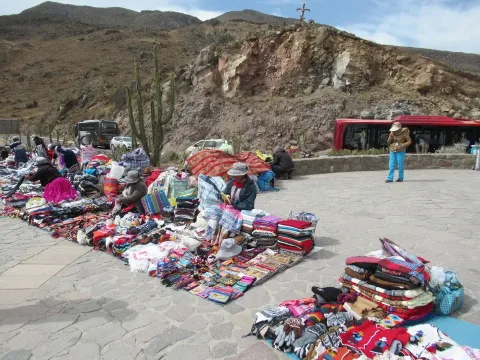
Trekking Colca Canyon I
Descent into the Colca Canyon, in the realm of the condors.
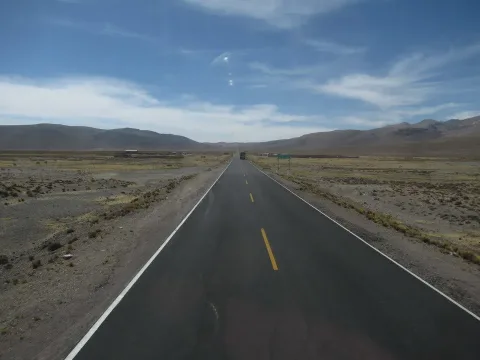
Trekking Colca Canyon II
Ascent from the Colca Canyon and crossing of the plateau towards Puno
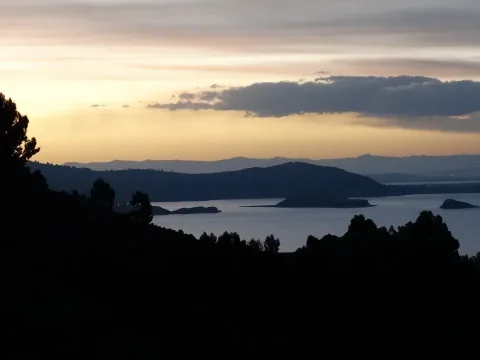
Lake Titicaca I
Navigation on Lake Titicaca between the islands of Uros and Amantanì
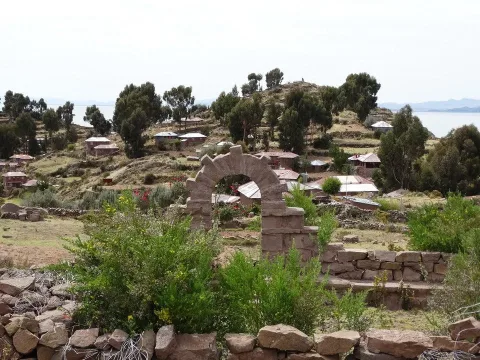
Lake Titicaca II
From Amantanì to Taquile, the two emerging pearls from Lake Titicaca.
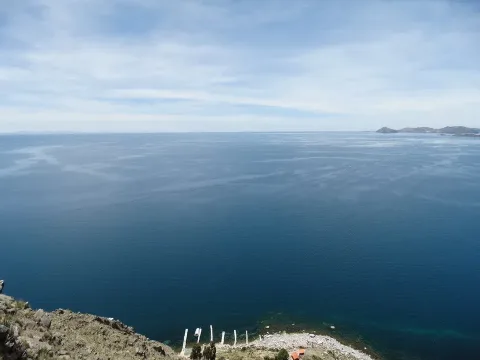
Bolivia – Copacabana
In Bolivia: via La Paz to Copacabana
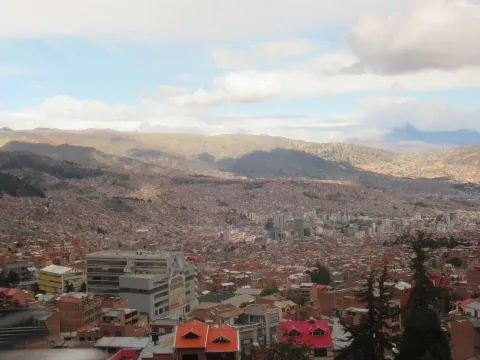
Bolivia – La Paz
The Bolivian capital, modern apartments and ancient poverty.
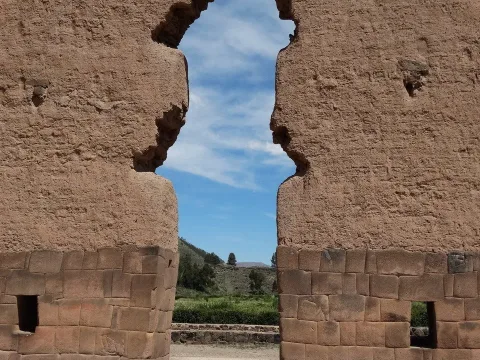
From Puno to Cusco
History and nature without end, entering the heart of the Inca civilization.
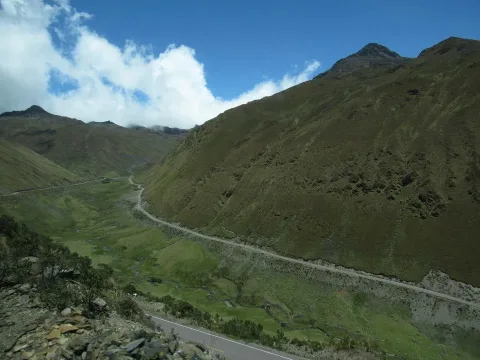
Machu Picchu I
Towards the Great Goal, passing through Hidroelectrica
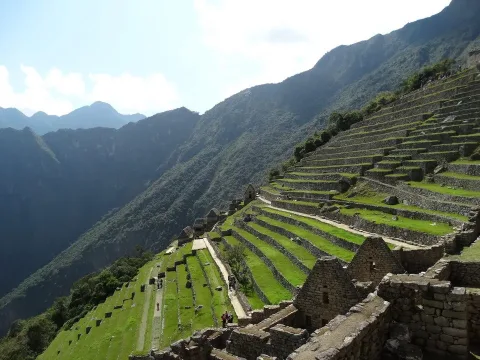
Machu Picchu II
The majesty of Machu Picchu on a sunny day
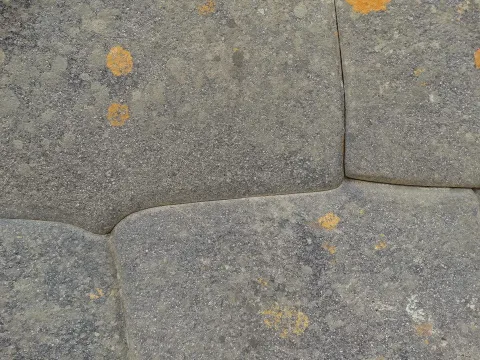
Sacred Valley
Chinchero, Moray, Maras, Ollantaytambo and Pisac
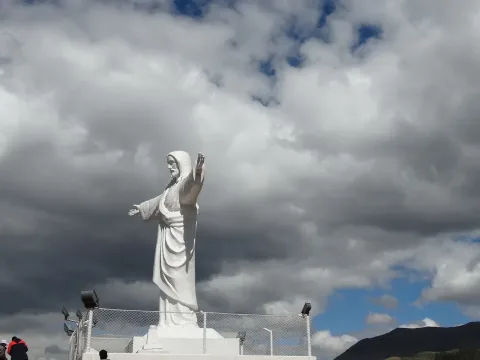
Cusco
Cusco, the ancient city of the New World
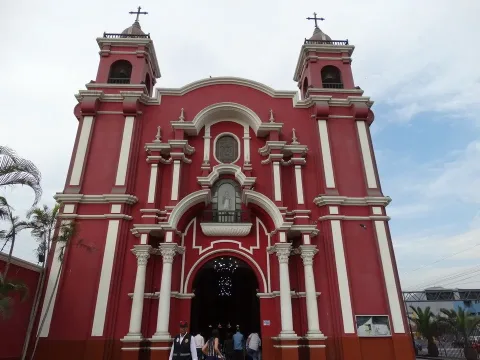
Lima
Visit to the capital and return.