Day 16
Tokyo
The easternmost capital of Asia, between ancient and hyper-modern.
Arrival in Tokyo
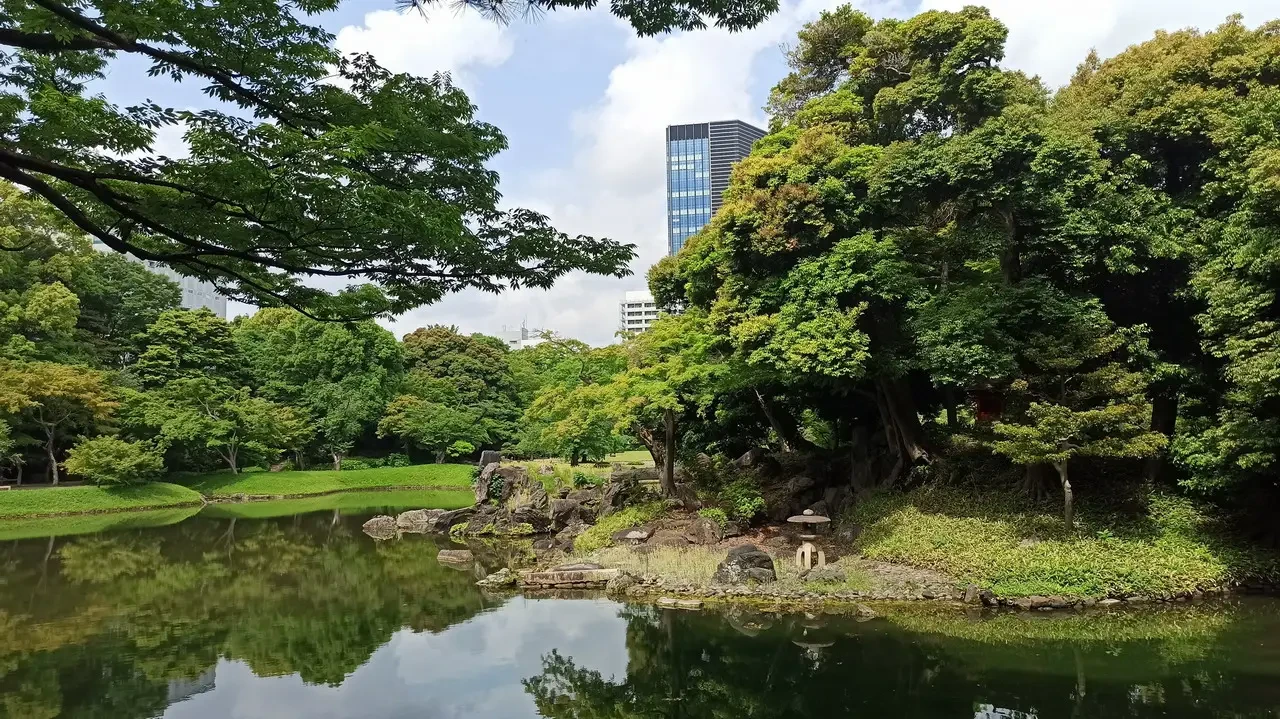
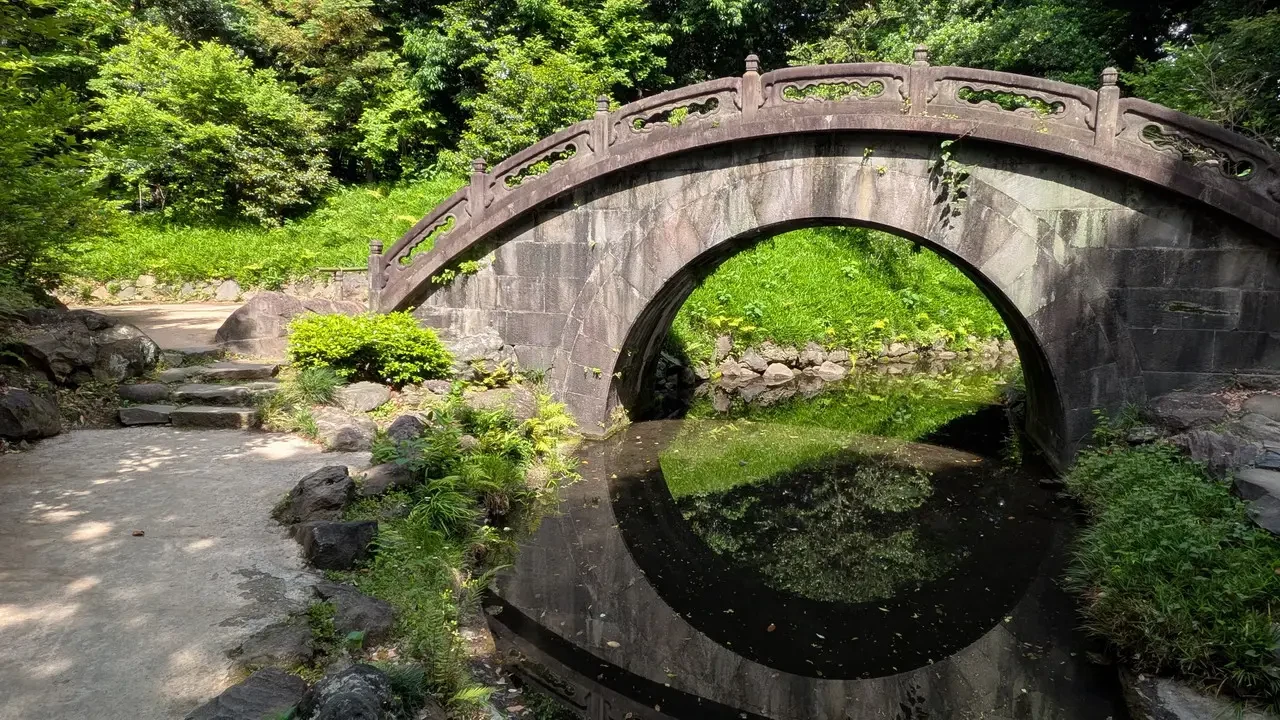
Last day dedicated to visiting Tokyo, the most eastern Asian capital, a city definitely attractive and charming, but which doesn't necessarily leave an indelible mark on everyone's mind. Due to its young age (only 400 years old, it was little more than a village), earthquakes, and the terrible destruction of World War II, the Japanese capital is inevitably a young city, in addition to being youthful in many aspects. Located at 35 degrees north, it enjoys a humid summer heat, has an ideal spring, and relatively cold winters for its latitude. On the day of our arrival, we had already visited some interesting monuments; now there's a long list of what we consider useful to see within the available time, carefully avoiding the fashion, nerd, techno, cosplay, etc., districts. We don't doubt that they can attract many tourists, but we haven't come to Japan for that. As always, dawn arrives early; at 6:30 am, we wake up to leave about three-quarters of an hour later and go to the Asakusa station. After purchasing a convenient daily ticket that will allow us to travel all day for only 800Y (5€) on both the subway lines and the Toei Line (private urban subway line), we begin our tour from the garden. Koishikawa Garden We arrive a little before the scheduled opening time of 9 am and take advantage of the opportunity to take a short walk around the area. Tokyo Dome, the baseball stadium, or rather, the sport "imported" that is most popular with Japanese people; everything is peaceful, but I imagine the orderly crowd that must be there when the local favorites play. We then enter the garden to enjoy this yet another wonderful combination of human and natural art. The lines created by streams and paths meet during the holidays, also of excellent quality. We are in the city center, but it feels like we are in an organized jungle, with birds chirping so loudly that they almost hide the sound of cars; only rarely do you see the facades of buildings or the oval dome of the stadium. The most valuable "piece" is definitely The Full Moon Bridge... whose meaning we discover when we encounter it: the semi-circle created by the stone structure is contrasted with another one, mirrored in the dark water, to create a perfect circle without any breaks.
We take the subway to... Jimbocho, the district of bookstores, not so much to buy books that we wouldn't even be able to find a way to read, but to see the series of shops with walls completely covered in books, so neatly organized: it was a sight to behold. With a short walk, we arrive at Shimbashi station, from which the Yurikamome Line departs. raised elevated monorail without a driver passing between the skyscrapers and overtaking coastal arms to reach Tokyo Bay. The journey on this means is itself a great reason to visit the Toyosu Market area, where the fish market has been located since 2018. To witness the negotiations from the windows above the warehouses, one would need to be there around 5:30 in the morning, but we can still see carts with interesting catches of fish, as well as whole, frozen tuna waiting to be picked up for processing. The hallway is also a kind of museum, where the history of the market, the different types of fish caught and their characteristics are explained, as well as a series of informative details. The most prized tuna is the bluefin tuna, about which information is provided regarding the cuts and the characteristics of the breed. At the end of the hallway is still the fruit and vegetable market, but we have already seen enough of this type in recent days. The entire neighborhood appears to be newly built, with large buildings separated by wide tree-lined avenues, in contrast to the narrow streets that characterize the rest of the capital (and generally Japanese cities).
The Tokyo subway system
With a long walk of about half an hour under young maple trees that barely provide shade from the persistent spring sun, we head to take the Yurakucho subway towards... Tsukiji Fish Market... where until recently was the historic fish market; probably one of the most interesting tourist destinations in the capital, more authentic and fascinating than Toyosu. When the relocation was proposed, there were many controversies not only related to nostalgic aspects (where the current market was located, there were polluted slopes), but ultimately the idea of relocating everything to a more modern environment prevailed. Tsukiji remains a lively neighborhood with many shops, but especially places where you can have lunch according to the criteria of the best traditional cuisine. We enter one of these, sitting at a table in the narrow corridor: we are back in a small area, the ladies' bags or other bulky items are placed in a plastic container and hoisted onto the counter that is above the tables. Just a quick look towards the kitchen makes it clear how the Japanese standards of hygiene in this neighborhood are so disregarded that it seems to be in the historic center of any Asian city. Nevertheless, we order and enjoy raw fish without hesitation or consequences. Finding ourselves here at this time was certainly not a coincidence; we were well informed that this was one of the best places in Tokyo for a simple yet delicious meal.
The urban face of Tokyo
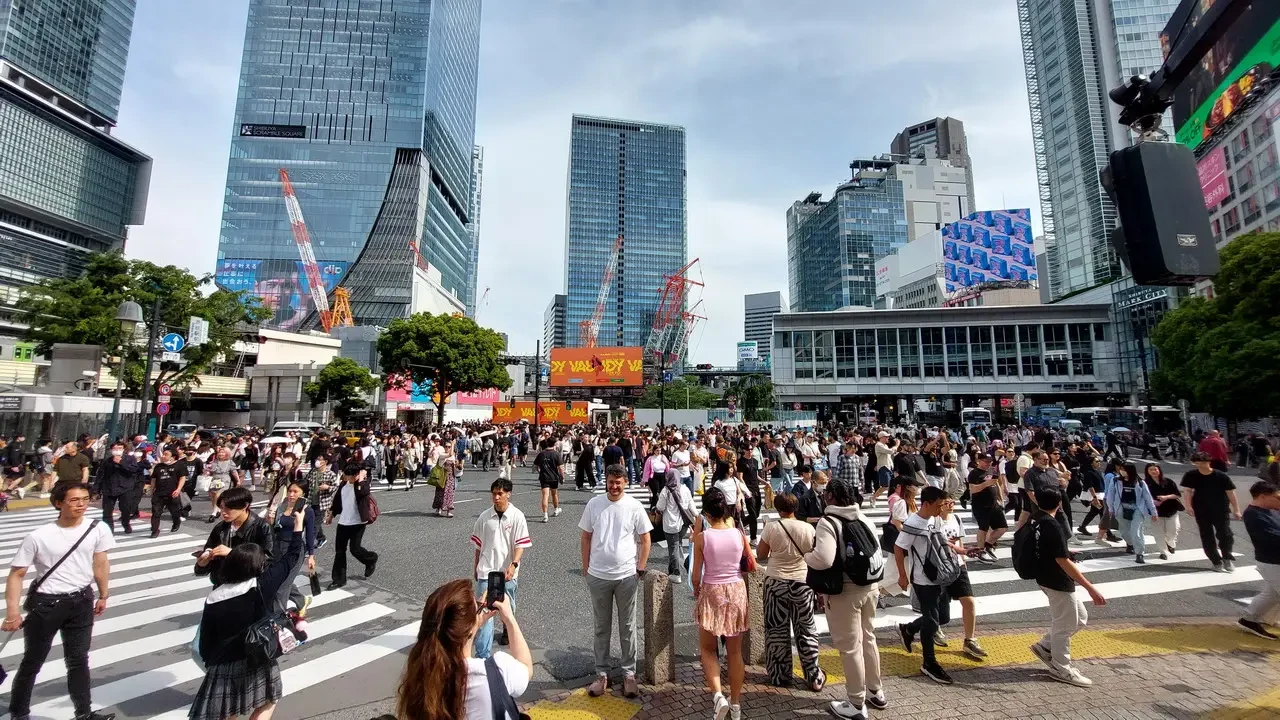
Recharge some energy, we're ready to go see one of the most photographed spots in the city, a symbol of that organized chaos that so defines it. Such high population density requires a high level of social patience, or simply mutual tolerance to avoid literally stepping on each other's toes, whether on public transport or on the streets. And we are Shibuya Crossing This perfectly embodies this way of life and movement, one of the images that best represents the chaotic urban daily life of Tokyo. As we have already seen elsewhere, during particularly busy intersections, pedestrians are allowed to cross all at once, completely blocking traffic for a few tens of seconds, allowing them to cross the road using diagonal crossings to form a large X in the middle. There is indeed a lot of people, and within a couple of hours when everyone leaves work, there will be even more, but, as characteristic as it may be, crossing this enormous zebra-striped chessboard and looking at the next one from the sidewalk seems sufficient, without seeing the need to go to a place on higher floors and observe the scene from that vantage point. What is interesting is the statue of the dog Hachiko, erected in memory of the faithful animal that was accustomed to going every day to wait for its owner at the same spot outside the subway station, even after the man had died. An example of dedication particularly appreciated in modern Japan.
Museums and memory in Tokyo
Another short trip by subway to see the extravagant Takeshita Street... in a succession of unhelpful shops frequented mainly by young people. At this point, my legs are saying "enough": I don't want to walk anymore. Let's go to the park where there are several sports facilities and the Meiji Memorial Museum. The Meiji Jingu Gaien Gingko, which is marked as beautiful on the map, is a tree-lined avenue We sit on a bench to watch the movement around us, but mostly to rest for a moment in the shade, on this hot day.
Not far away is the charming Shinto shrine of Toyokawa Inari, hidden among busy streets and almost invisible until the last moment; it occupies a secluded, lush area offering the opportunity to immerse oneself in silence and reflection, escaping the hustle and bustle of the city for a while. This is what the faithful do (from young girls to men in suits, to elderly people) approaching the altars after their initial ritual ablutions; they toss a coin into a wooden box and pray with folded hands, just as we do in our religion – an interesting common thread between two faiths and cultures so different – ending with a double bow and a handshake between each. The complex is dedicated to foxes., a symbol of cleverness, highly sought after by business people, but which is useful for everyone. Beneath the green of the trees, the red of the torii, vertical flags and "clothing" on the stone statues of foxes dominates. Besides being a spiritual oasis in the middle of the city, it also offers a beautiful view. The windows of the buildings that occasionally appear in the background remind us that commerce is bustling all around.
We think that this will be enough for today too: with a final trip on the Ginza line, we return to our neighborhood of Asakusa. the shops of Nakamise I am still open, so we take advantage of this to do some shopping and see the crowds gathering before they close at 6 pm. A wonderful surprise awaits us for dinner, in one of the many restaurants located along Kaminarimon-dori street, where we find the perfect location and menu for our last, delicious meal. We order a selection of dishes to share, with the highlight being the steamed tuna cooked in the oven: the meat literally melts in your mouth, putting even fresh fish slices on second place – but we won't forget the eel with soy sauce, salmon, lightly marinated mackerel, and other delicacies. Only one more thing is missing to complete the meal: a matcha ice cream.
Traditions and spirituality
With a full stomach, it seems appropriate to say goodbye to Japan, once again filling our eyes and hearts with its wonderful Night visions of the Senso-ji complex. Some faithful people take turns praying before the now closed altar, while tourists wander around. Others (especially locals) try to have their future read using a system of sticks extracted from a cylinder, which direct towards sheets containing predictions about their fate. We don't know our future, nor are we interested in finding out: instead, we want to idealize the recent past, discovering that we can only be immensely grateful and happy for this Japanese experience. It seems that the images, beautiful and stored in our minds during this adventure, emerge from the background of the five-story pagoda like on a screen. Another period of reflection will be needed so that the recent emotions become permanently fixed, forming another chapter in our story.

Japanese is a difficult language: "sayonara" (goodbye) and "arigato" (thank you) were practically the only words we knew upon arrival, and very few others have been added during the trip. But it was precisely the second one that proved most useful in so many occasions when we enjoyed the inherent courtesy of this people. And now I want to repeat it for good measure: Thank you, Japan!
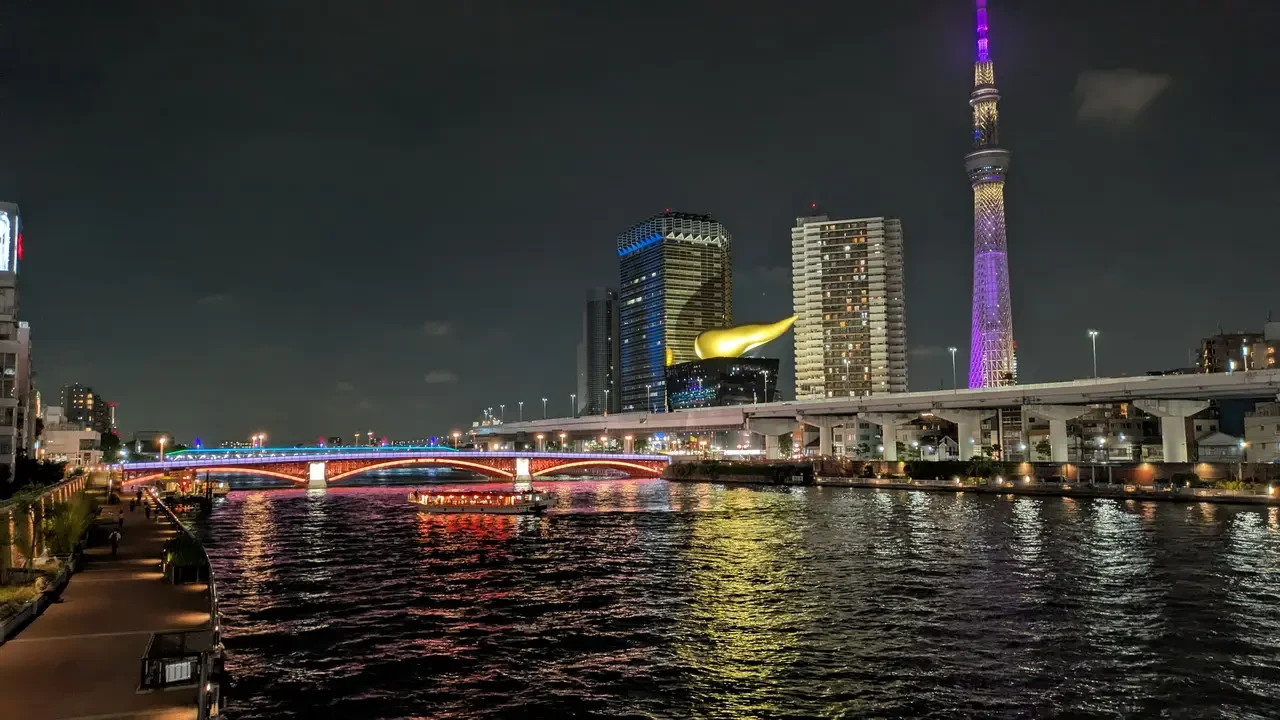
But it's not over yet: since we had booked three nights at the same hotel with separate daily bookings, we were told from the beginning that for the third night we would have a different room, so this morning we brought our suitcases to reception. When we return, we will do a new check-in and find a room whose view is exactly the icing on the cake of this wonderful experience: in front of us – beautifully lit – stands the Skytree, while the lights of the city double, reflecting in the Sumida River, with its illuminated bridges adding further color to the scene. Fortunately, we still have some chilled sake because cherries are best enjoyed together with a alcoholic drink and a matcha chocolate bar, wearing the traditional hotel kimono pajamas. You can't ask for anything better to end our trip in Japan, which was even more surprising than expected.