Day 15
Nikko
Shinto shrines and Buddhist temples immersed in greenery, seamlessly.
Nikko
There are two more days to spend in Tokyo and its surroundings: the physical and mental fatigue is starting to become noticeable. It has been two weeks since we arrived in Japan, and the charm of this country has been so captivating that it has led us to neglect sleep, lunches, and generally our own well-being, in order to provide energy for a demanding and extensive program. We are nearing the final stage, with Nikko and the capital still awaiting us to complete "the project". We choose to visit the sacred city today, where there is an incredible collection of religious artworks, Shinto shrines and Buddhist temples nestled like diamonds amidst the surrounding forests.
Once we had purchased the train ticket at the Askakusa station, we still had time for a short walk to see the Sensō-ji in its daytime version...more realistic but less dramatic without the nighttime lighting. We carefully observe the kiosks where you can buy the right to draw a stick from a cylinder similar to a small drum for 100 Yen; with this, you are directed to a drawer inside which contains a prediction. If it is positive, you keep it as a sign of good luck; otherwise, it is hung on a rack where many others already are. We don't want to participate in the drawing: we prefer not to have any indication about the future, so we are content with an unforgettable recent past.
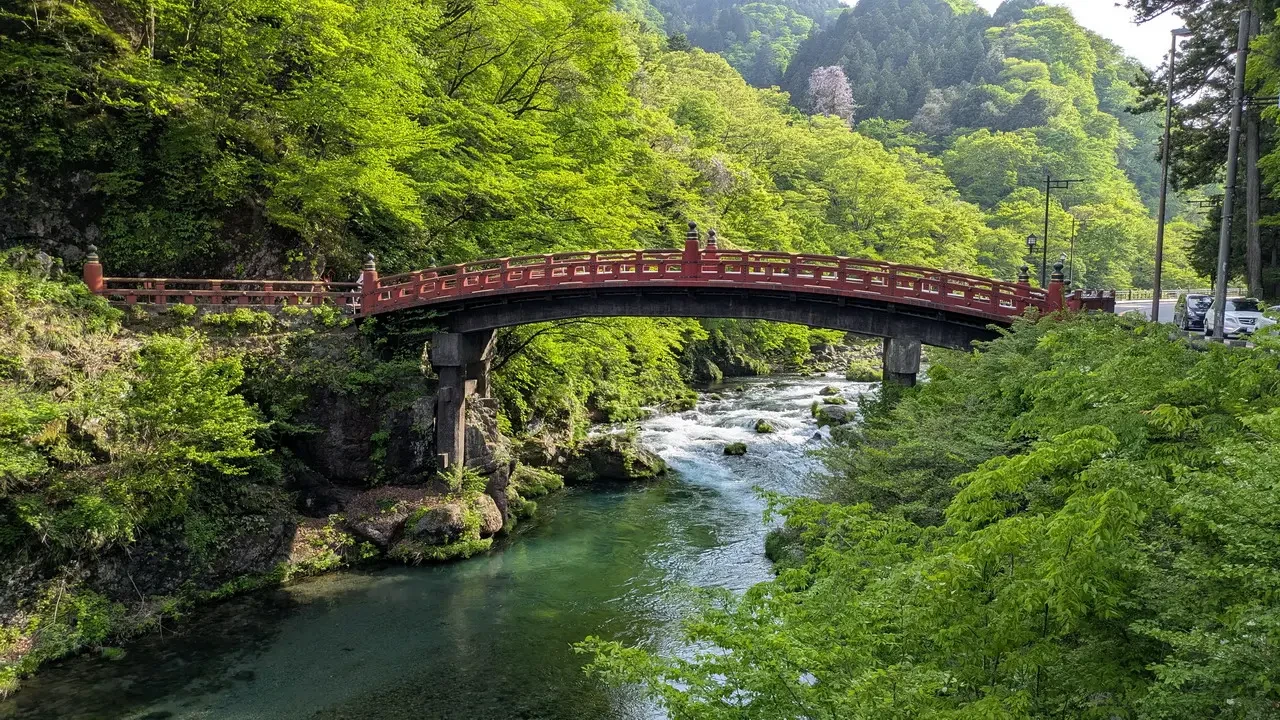
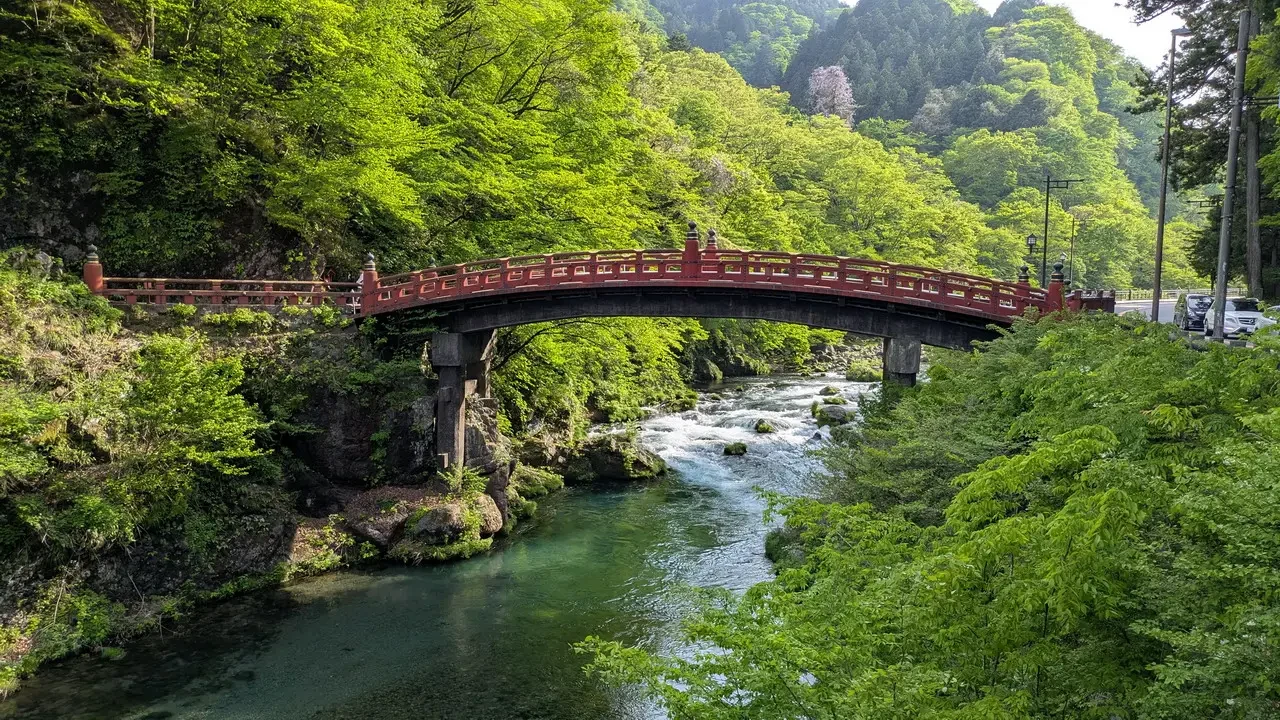
Departure at 8:30; the two hours spent on the regional train allow us to first see the capital, which we pass through as it recedes into the suburbs where life is governed by the rhythms of Japanese order, then amidst shimmering rice paddies under the sun, before finally reaching our destination, located 140 km north of the capital. At the time of departure, we purchased a daily ticket that, in addition to the round trip to Tokyo, will allow us to travel on Nikko's public transport. After getting off the Tobu Line train, we board a city bus which takes us to the vicinity of Shin-kyo bridge on the Daiya River, also known as the Snake Bridge, due to a legend associated with it; its red color stands out above crystal-clear waters and green banks, but it certainly isn't the main reason for coming this far.
Arrival in Nikko
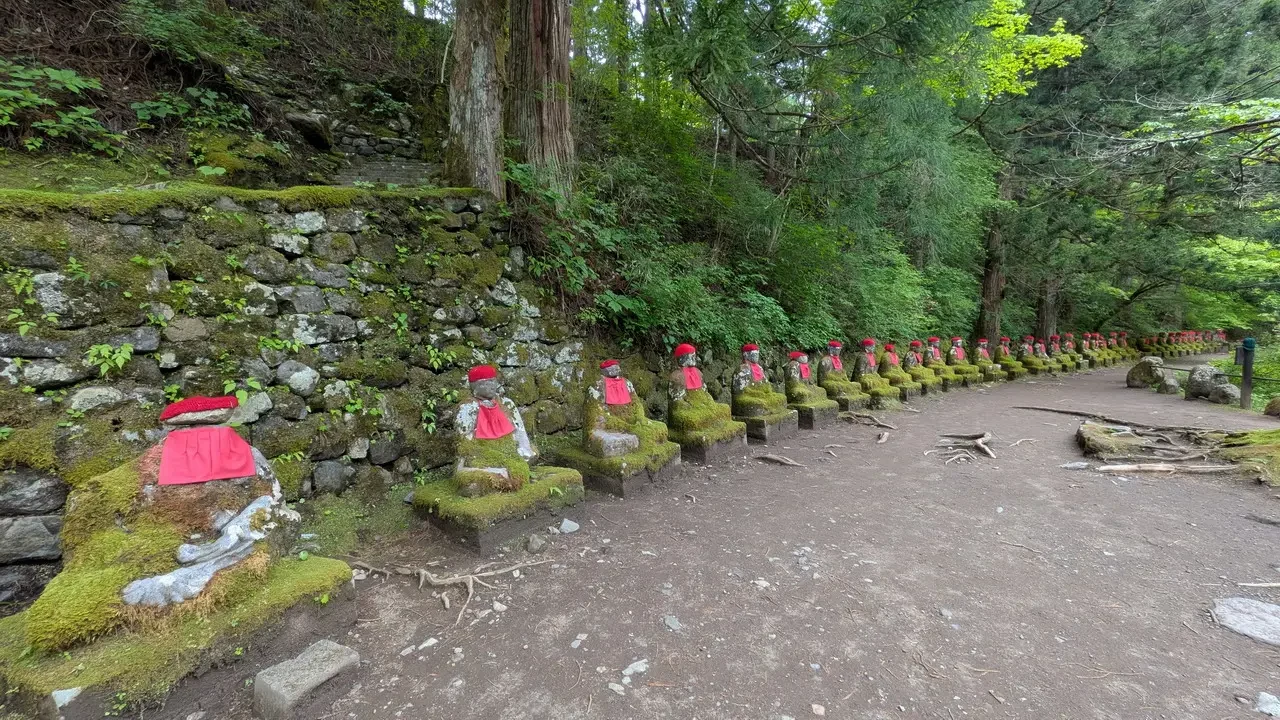
Ignoring the main attractions for a moment, we decide to start the tour with a walk that will take us to visit the ruins of a sanctuary. Kanmangafuchi Abyss... a canyon created by the local stream, but above all, a series of stone figurines depicting 70 people named Jizo, a Bodhisattva protector of children, the deceased, and travelers, with the lovely characteristic of having bibs tied around their necks and heads covered in red hats that appear to be hand-knitted, creating a striking contrast with the gray stone often covered in moss and the green of the forest. They were sewn and left here by the mothers of deceased children, and ideally serve as protection for their loved ones. The figurines are old; some no longer have heads, replaced by an oval stone, also strictly wearing a hat. Besides the snake that moves Among the cavities of a base, the reflective tranquility of the site offers an interesting view. The path winds through the forest to climb a few meters and reach a stone bridge supported by cables, thus completing the loop.
Traditions and spirituality
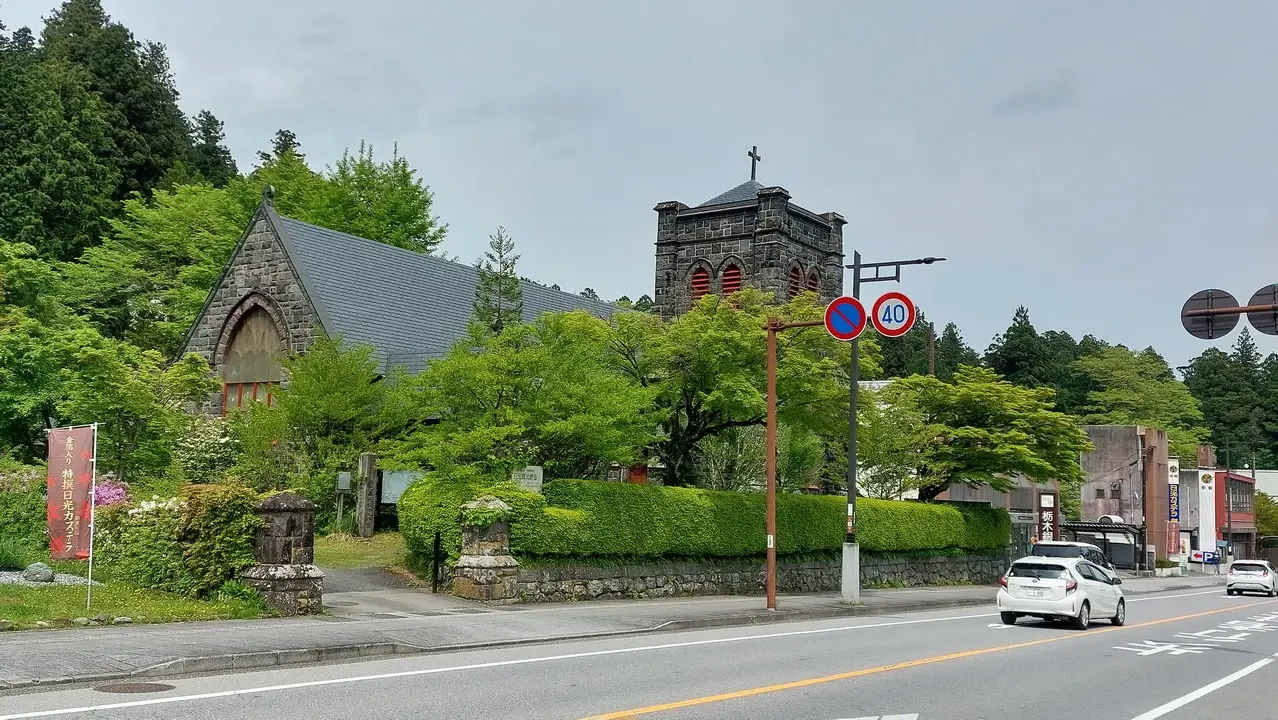
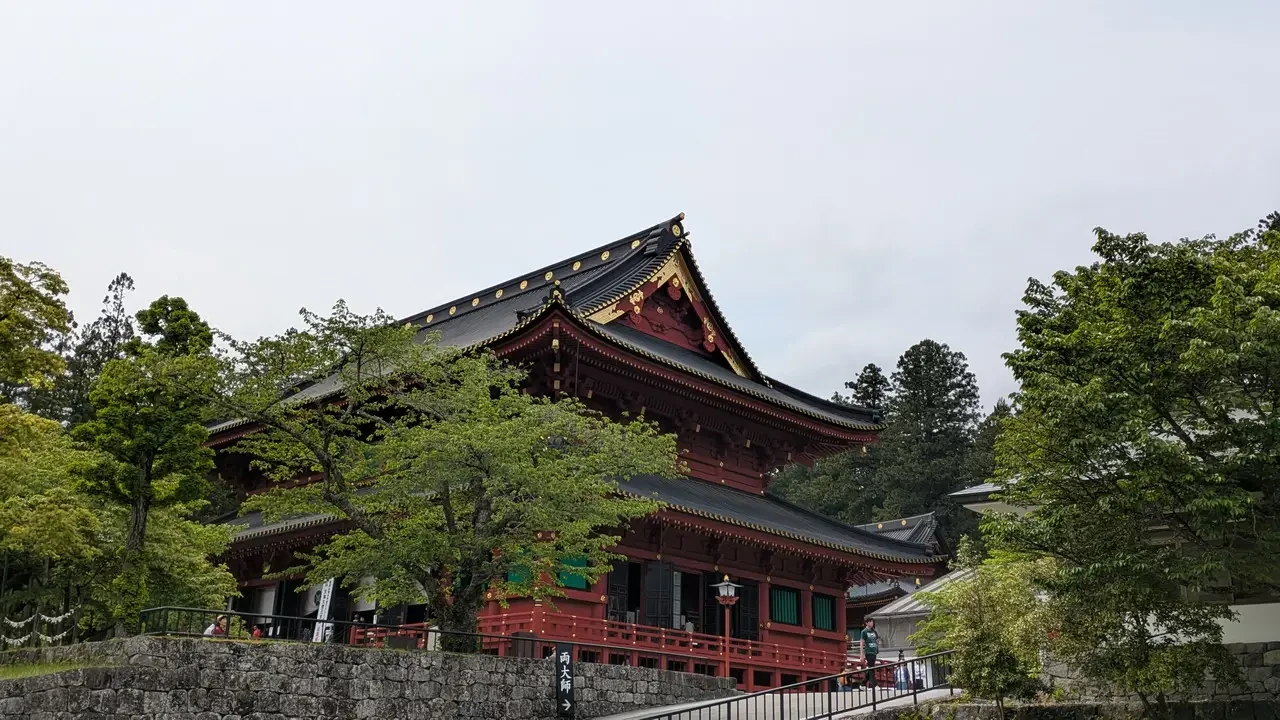
Walking along the road, we come across another holy park inside which are the tombs of ancient dignitaries. Before entering a pleasant and quiet restaurant for lunch, we accidentally come across and enter a Christian church, the Nikko Shinkyo Kyokai, built and likely financed with funds from a prominent Scottish nobleman, in a typically Celtic style, which so perfectly blends into this green and rural environment that it evokes the idyllic landscapes of the Highlands. We enter, wearing the slippers provided at the entrance; the visit to the interior instantly transports us back to old Europe; there is no one, everything is in perfect order, and we see divine images familiar to us in a cultural context different from our own. After a short break, we continue walking, venturing deeper into the enchanting park where the shrines and mausoleums make Nikko one of the most sought-after cultural destinations in all of Japan. A staircase covered in lush vegetation leads quickly to Tosho-gu and the nearby Gojunoto pagoda; within the shrine is buried Tokugawa Ieyasu, the first Japanese shogun. From outside, we can see the Rinno-ji, another temple. where is the statue of Kannon, the goddess with a thousand arms and patron saint of mercy, which in Tibet and other Buddhist countries is known as Avalokitesvara.
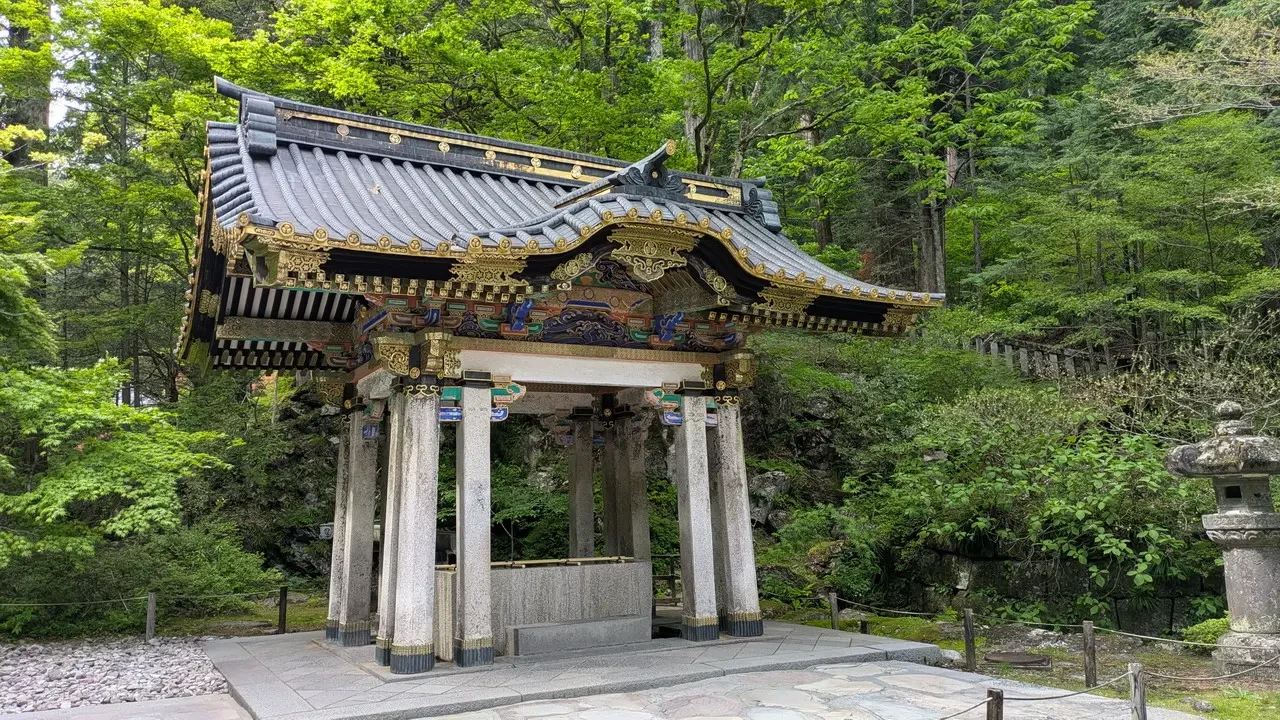
In Buddhist temples the ritual washing This is done by running water from the fountain on one hand, then onto the other, and finally both hands are brought to the mouth to rinse; any remaining water is poured into the ditch and not back into the fountain basin. In Shinto shrines, the ritual involves washing the hands and face, rather than just the mouth, as the forehead is considered more important.
Futarasan-jinja Shrine
A long avenue with high crypts on one side and a row of stone lanterns on the other, it leads to Futarasan-jinja Shrine, from which we admire the impressive architecture externally. We instead dedicate some time to visiting the Taiyuinbyo shrine, secluded and surrounded by greenery amidst enormous cryptomeria trees; inside, a celebration is taking place, culminating in three strikes on a special brass drum that produces a prolonged sound that gradually fades as it seems to pass from one ear to the other, leaving a lasting impression; similar to Tibetan bells. Here you will find the tomb of Iemitsu, who initiated the religious constructions in Nikko, and who was also the grandson of Tokugawa Ieyasu, buried in Tosho-gu. To access it, you need to climb some steps through decorated gateways, one of which features two guardian deities (with an appearance that is at least intimidating), the first with its hand raised to welcome those with pure hearts, while the second points downwards to reject the impure.
Excursion to Shiraito Falls
The desire to see is never satisfied: it's 3:30 PM when we decide to visit again the Shiraito Falls, a series of waterfalls for the last four steps. They are only a quarter of an hour away, but even walking at a good pace, time passes quickly, so we will need to take more than eight steps and even at an accelerated pace. Arriving at the bus stop, we decide to continue on foot and not wait for it: a delay would have meant missing the expensive train already paid for. Placing greater trust in our means of transport, walking quickly at 16:20, we are ready for the return journey and to see again, without getting tired, rural landscapes We continued our journey through small towns until we arrived in Tokyo, just as people were leaving work.
A couple of purchases on Nakamise Dori, just to not return completely empty-handed, dinner in the Akakusa district where we are staying. There were so many restaurants to choose from; tonight, among other types of fish, in the bowl, the eel (unagi) stands out. grilled with a delicious soy-based sauce. Then, we took a walk; nearby is Orange Street, which has very little color except for some red stripes on the road. We returned to the hotel with short-sleeved shirts.