Day 6
Ranakpur and Udaipur
Mystical atmosphere in the Jain temple of Ranakpur and Udaipur, the noble lake city.
The urban face of Ranakpur
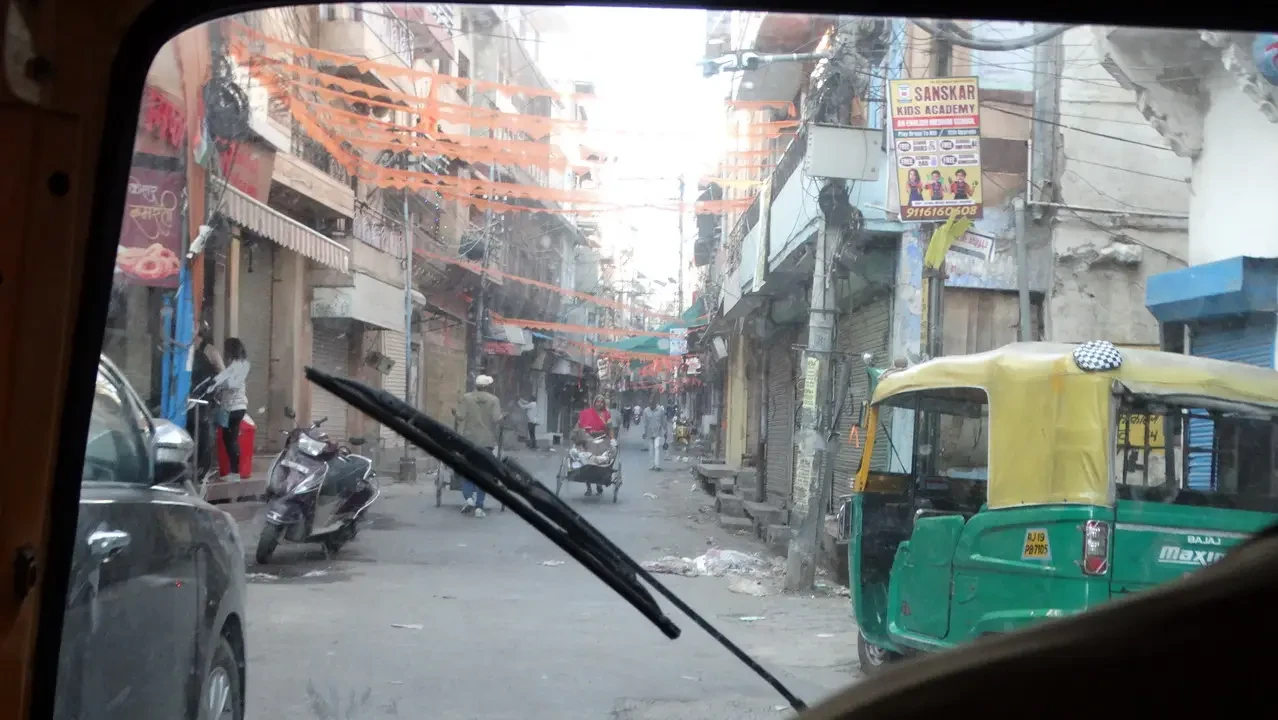
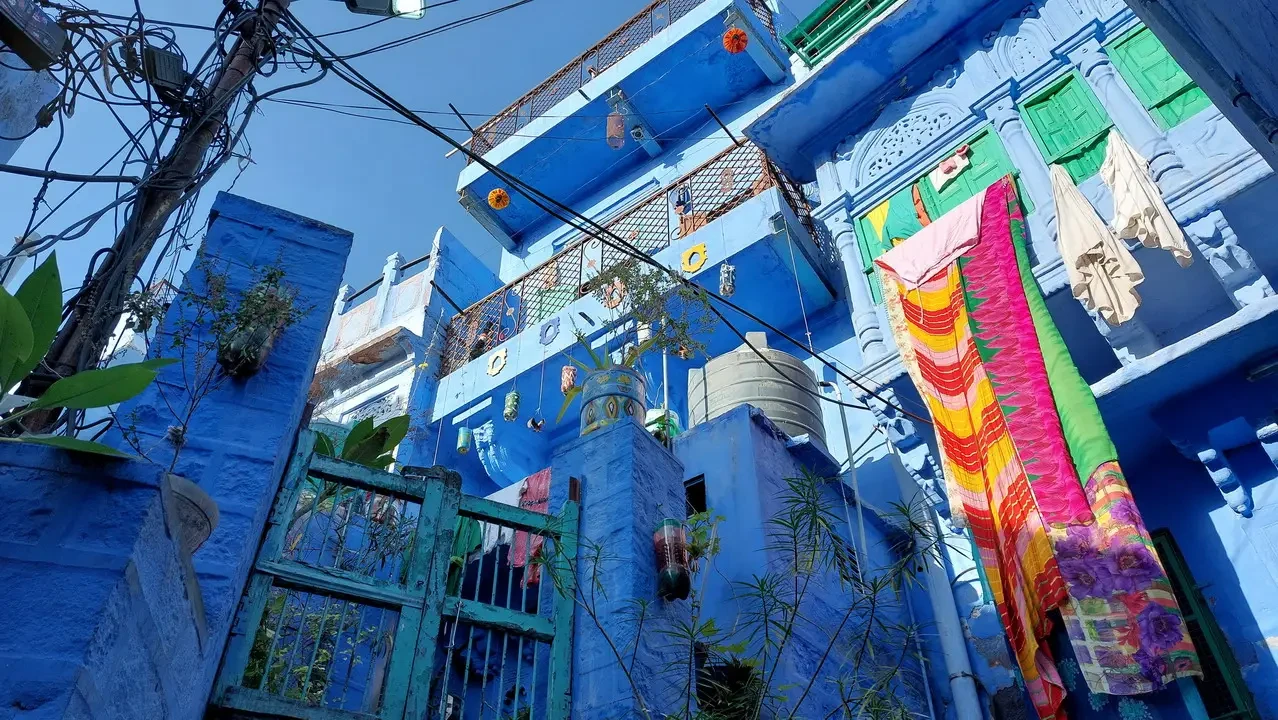
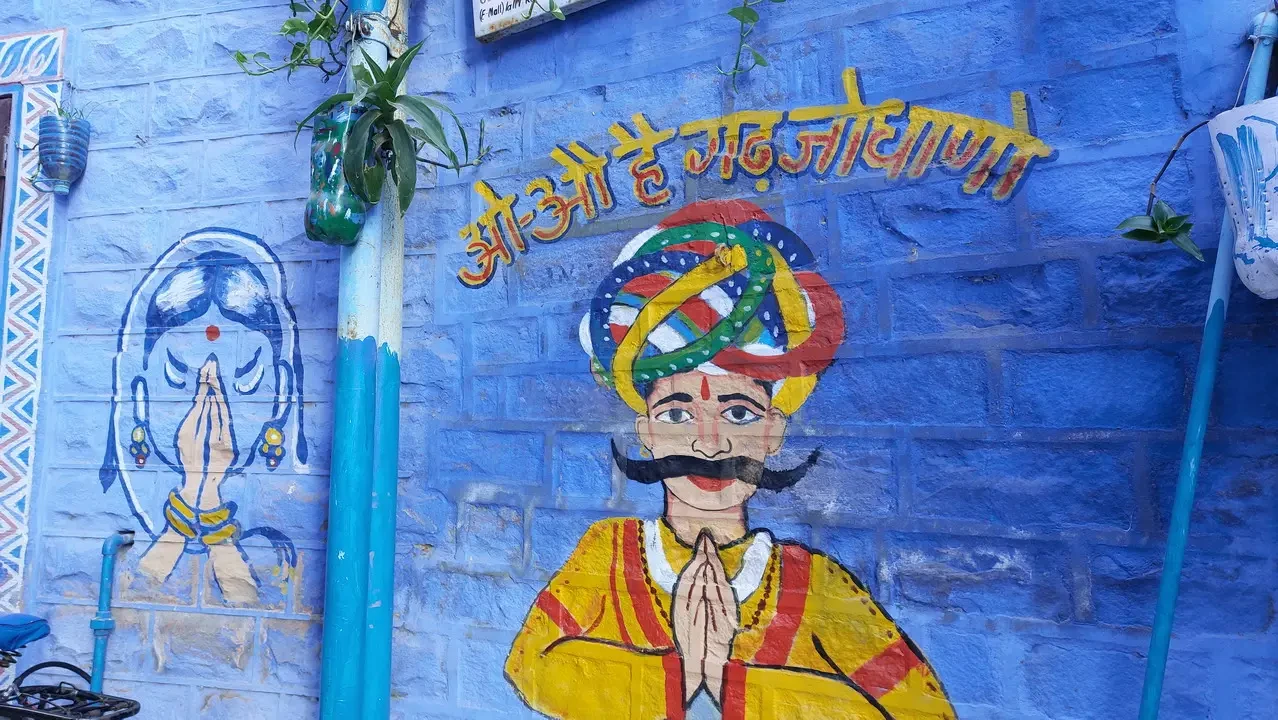
The visit to Jodhpur is still incomplete, but there is one more thing to do. area with "blue lights", particularly beautiful under the morning sunlight. We fill the gap thanks to a a small three-wheeled auto that squeezes through among the narrow central streets and stops in the neighborhood of houses painted a deep blue, almost luminous when touched by the sun. The walls They reflect each other, steep and projecting towards a sky that is slightly lighter but still shining with the same tone. It seems that the priests of old thought of today's photographers, although, according to the tuk-tuk driver, young people are trying to break away from tradition, and there is a risk that in the future Jodhpur will be a little less blue.
At this hour, the streets are relatively quiet, swept by women who collect the trash in piles about twenty meters apart, hoping that no dogs or cows will come along and scatter everything. Shortly after, other people will arrive to collect the same garbage in a half-meter wide and just ten centimeters deep basket, and with their own strength they will load it onto a cart pulled by a tractor. This is the work of left, the untouchables, unworthy even of belonging to a caste and forced to perform the most menial jobs. In reality, at least the garbage collection has been regulated and has become a respected activity because it is useful and therefore paid in a fairly fair manner; indeed, after the street cleaners have passed, the streets take on a decent appearance, at least until the new day begins. The work with the broom is largely done by women, but it is not uncommon to see children rummaging around for something useful. As we return, the neighborhood starts to come alive and the journey takes longer due to crossings with other vehicles. It's now 9 am, shopkeepers are opening their shutters, some have already put fruit and vegetables on display: a new day begins in Jodhpur. Some dogs are lounging peacefully on the saddles of parked motorcycles.
Local wildlife
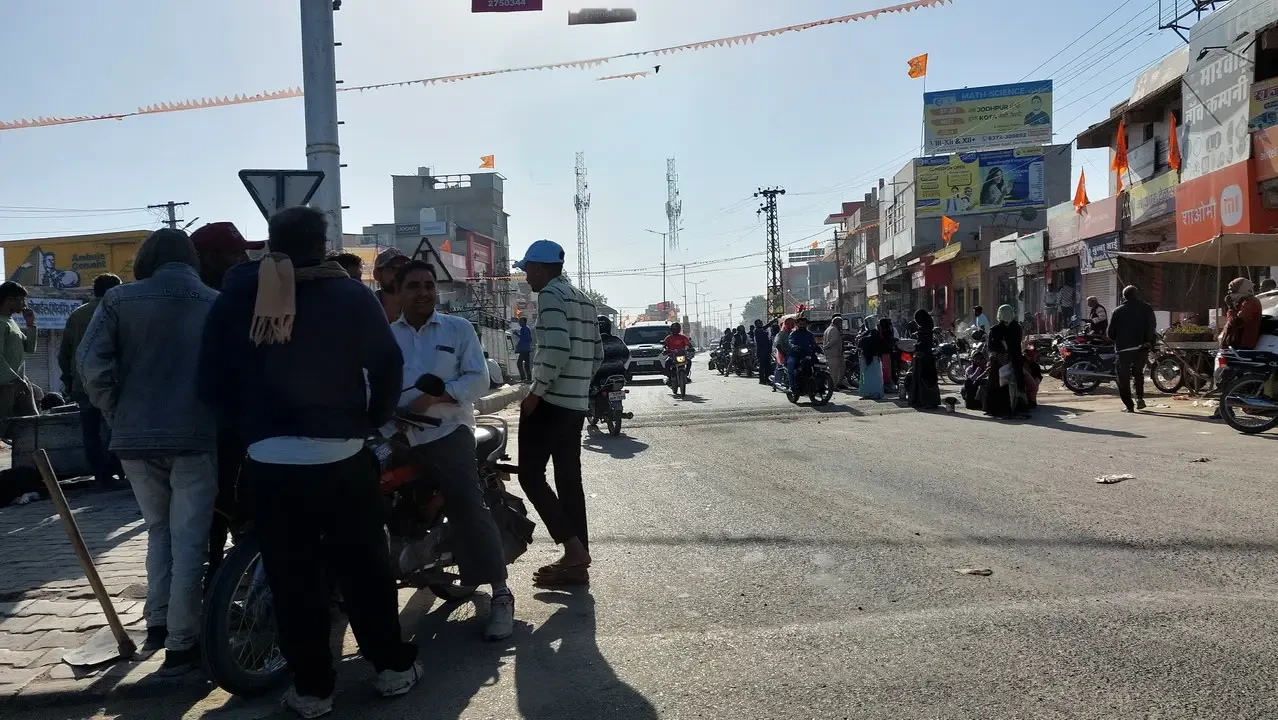
Stepping out, we came across groups of people standing... we stopped at a crossroads: these are unemployed people living in the countryside, waiting for temporary work. The highway heading south becomes two lanes on two carriageways, and is busy with all kinds of vehicles imaginable. At some point, we stop near a village to visit a particular site.
This is an improvised shrine, originating from a relatively recent event about which it's best not to investigate the roles of reality, fantasy, mysticism and legend. It is said that 36 years ago, a man rode his motorcycle in an obviously intoxicated state, had an accident and died. The body was recovered and cremated, while the vehicle was taken to the nearest police station, unaware of what else to do with it. It seems that the motorcycle returned to the site of the accident several times after being brought back to the police station. Faced with this "miracle," they decided to leave it where it had separated from its driver and a shrine was erected outdoors, creating a myth. We cross the street and actually see the motorcycle With the front wheel deflated and enclosed in transparent plastic sheets, a photo of the unfortunate person (who had recently gotten married), and altars with crowns of flowers, sacred fire, offers in rupees and seeds, with a guru sitting to oversee and guide the rituals. People bring whisky specifically to celebrate this event, as if it were a sacred occasion; we are told that sometimes up to one or two million pilgrims would arrive, making the site so famous. Only in India can something like this happen: what is considered madness at our latitudes is faith, and therefore must be respected. It may be possible for there to be mutual understanding regarding our customs and rituals.
The landscape features chemical and textile industries, followed by wheat fields that will be harvested before March, before the heat of the following months and the monsoon arrives in June. After a few dozen kilometers, we leave the highway and travel on roads alternating between countryside and villages, reaching Ranakpur. Before this, we were involved in a pleasant scene: right near a residential area, another wedding takes place with loud music played from a truck equipped with huge speakers, otherwise known as "deejay on the road". We stop to take a few photos and congratulate the newlyweds, when the guests invite us to join impromptu dances and a series of photos with the couple, relatives, and other guests. This is a charming and much appreciated scene; while there may not be many foreign travelers passing through, it's undeniable that this people are simply friendly. Their welcoming attitude aims to share the moment of happiness, giving the celebration an exotic tone, thanks to our presence.
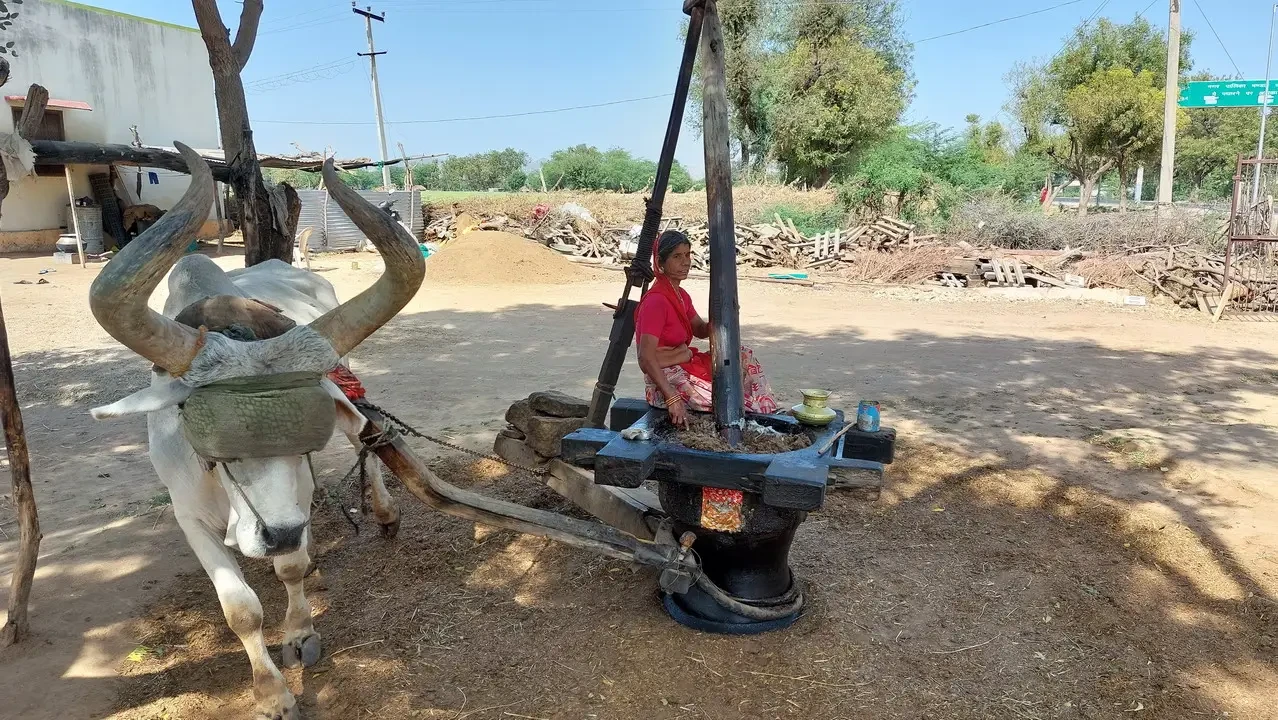
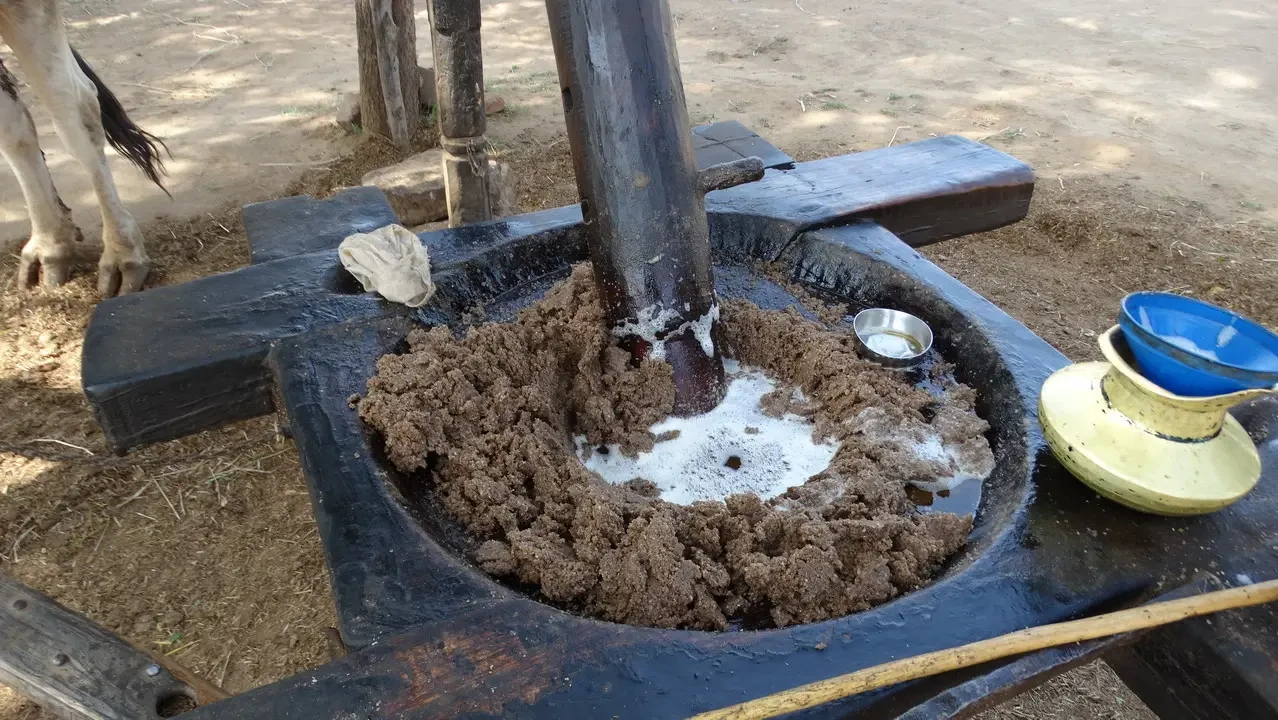
The next stop is quite different: it will be in the courtyard of a country house, where an elderly woman makes a tired bull turn around. near the sesame plant, from which it extracts a fine oil; and also this, which is entirely handmade and we appreciate its Live squeezing. He then puts the squeezed seeds into a container, adds plenty of sugar, and creates some kind of dessert. The simplicity of the process blends well with the taste of the final product.
We are in an area where water is plentiful and there are several farms, as well because from June to September, the monsoon season brings a lot of rain that is channeled into lakes or reservoirs, in addition to the abundance present underground. This will be sufficient for irrigating cereals (wheat and barley), sesame, etc., throughout the year. However, this is a quiet period when those who can take vacations, making it an ideal time for weddings. In March, the wheat harvest takes place and there are many activities on the farm.
At some point, the driver decides it's time for a break, and we agree. We stop at a small shop near the intersection of two country roads, sitting on a bench. some people are sitting, one of whom is described as a landowner with multiple interests: we all share the same simplicity and are able to exchange a few words through the driver, who struggles to fully understand us because the dialect is already different, even though we are only a few hundred kilometers from Delhi, which clearly shows that India is linguistically an archipelago. We drink masala chai in terracotta cups and are amazed when we discover that once used, they must be thrown away like we would with plastic ones; it seems wasteful, but perhaps it is more environmentally friendly than using synthetic materials. In the meantime, we see life flowing in a tranquil rural setting that seems timeless. These are the things that make a difference on a trip: being able to observe before even seeing.
Occasionally, you can see wild boars walking around with their mothers and four or five piglets following behind in a line.
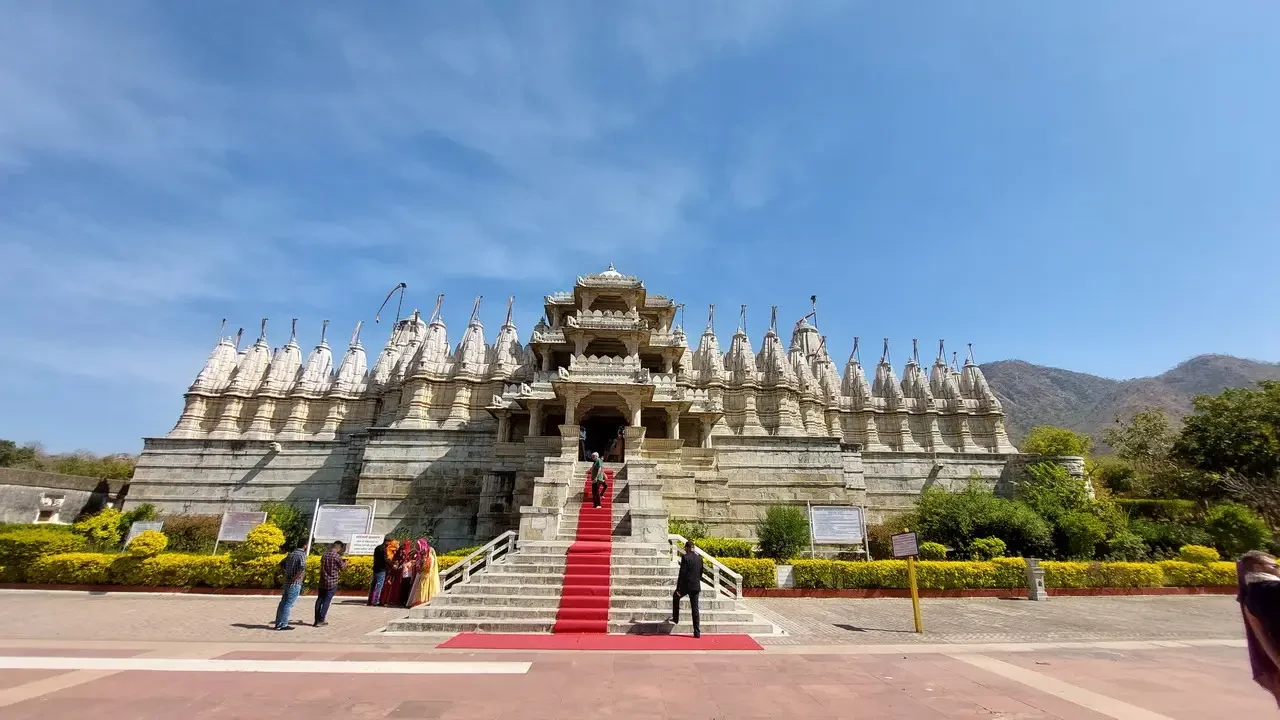
Returning to the list of sites to visit and moving on to the sacred place, Jain temples, Ranakpur It is located in a relatively quiet, green area away from large cities. It's ideal for establishing a monastic complex. We need to remove our shoes and socks, as well as pay an extra fee for using the camera, but ultimately it will be worth it. Unfortunately, there are some groups that, although they don't shout, end up limiting the silence that a site of this magnitude would require. Even here, with the audio guide, we can answer many of our questions: first, we shed light on who the Jains are, the five principles that guide them, and the fact that they do not have a true God (in either material or spiritual form); they believe in the teachings of the 33 Tirthankaras, who over the centuries shaped this religion, which is contemporary to Buddhism and therefore dates back 2500 years. It was born and developed in this area, specifically in Gujarat, and has a dozen million followers; even Gandhi's mother was a Jain. They aspire to Nirvana, which is not achieved so much through asceticism but rather through non-violence, the attitude of attention and help towards other living beings, and good deeds. There is also a group of women dressed in white, they seem like nuns, they wear masks not only for hygiene reasons but also to avoid swallowing insects: every form of life is sacred and must be protected. It goes without saying that they are vegetarians.
Stepping outside, the road winds steeply up the hills, in an environment made dry by the season and moderately warm temperatures. They tell us that it is a region where many leopards live, but we only see lots of monkeys, which should be their preferred diet. The route passes through the village of Sayra, where the population has a darker pigmentation, almost black. Spreading over a large and sparsely populated area, once a year a festival is held where teenagers aged 13/14 find a partner and move out on their own for a year away from their families. The following year they return and are reintegrated into the social context of the country. It seems that the formula aims to test and solidify marital relationships. It should be noted that throughout the country there are stark asymmetries between the two sexes, therefore family balance is a concept that needs to be understood in a flexible and different way than elsewhere.
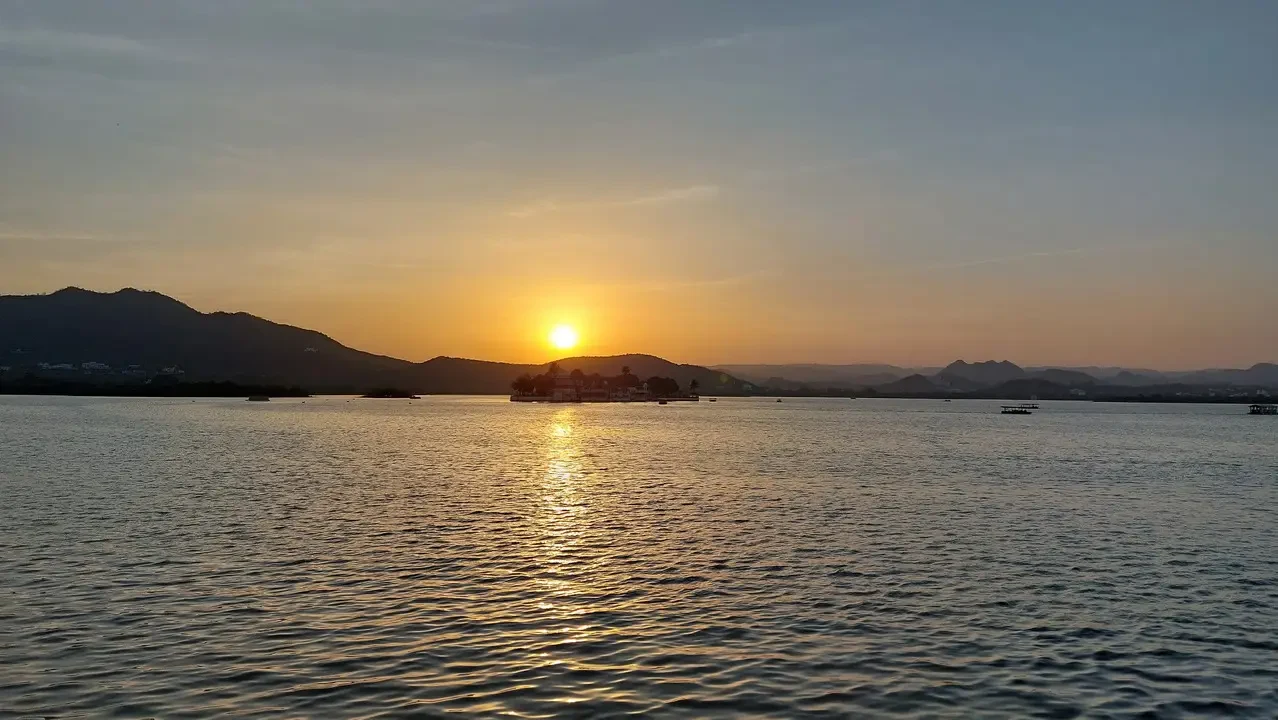
Sunset in Ranakpur
We are heading to Udaipur, the destination we will visit between tonight and tomorrow morning, and we will reach it with the final beautiful stretch of highway. It is a terribly busy city, but we haven't seen everything in India yet. It is located in a charming location on the banks of the Pichola Lake, on whose eastern shore lies the beautiful City Palace and other interesting buildings. On the island opposite, there seems to be a palace (now used as a hotel) that projects the white light of its walls onto the water. It almost looks like a resort area, but in fact it was the small capital of an independent Rajput kingdom. We take a walk through the noble part located on the hillside overlooking the lake, postponing a visit to the palace until tomorrow; then we go to enjoy the sunset in a quiet spot along its banks. However, getting there can be tricky because a bus causes traffic, so we will walk for the last short stretch: the sight offered by tuk tuks, motorcycles and cars trying to get everywhere is almost as interesting as the sunset; in any case, we choose the tranquility of the latter. The day was intense, but tonight we want to enjoy a proper dinner at a typical restaurant. on board, with a view of the historic buildings Beautifully lit. The quality of the dishes is essentially the same as previous times, but the price has doubled due to the advantage of the location. We will still spend approximately €13 each, which isn't exactly a fortune. The only downside is that they don't have masala chai, which has become a regular indulgence for us. Arriving at the hotel with the tuk-tuk that was waiting for us outside while we were having dinner (a bit awkward but it's common practice), we take a short detour as traffic begins to thin out and enjoy the drink in a simple little place where we can savor one of the best teas of our trip.