Day 4
Xi'an
Xi'an also has temples, a mosque, a Muslim quarter, and the ancient city walls.
Museums and memory in Xi'an
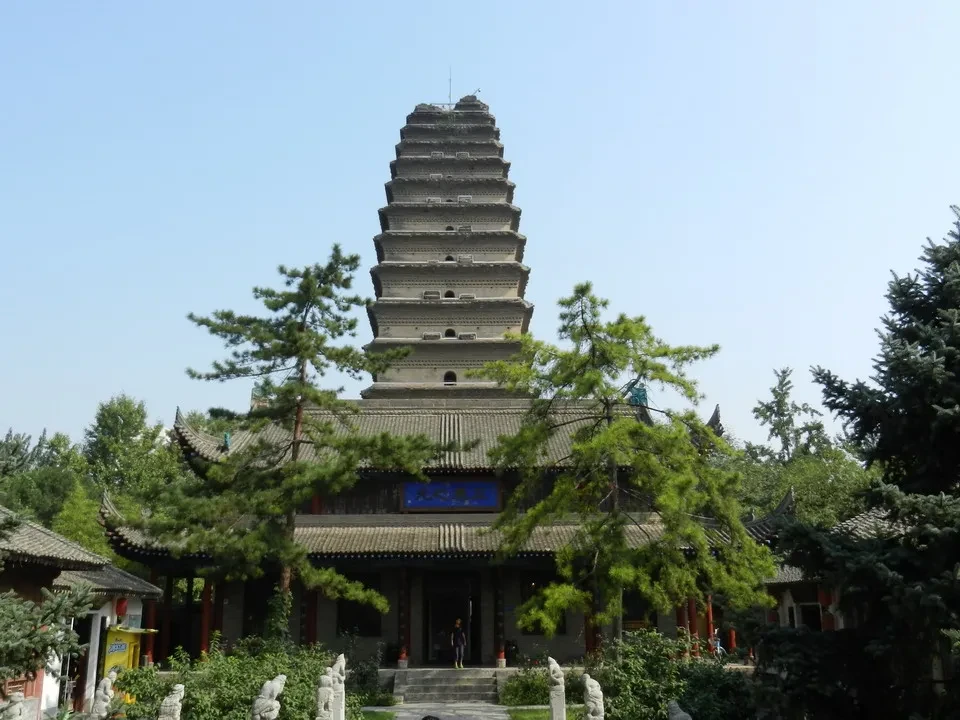
We left the hotel, located downtown, and walked through the city walls to visit the Pagoda. Little Wild Duck,
Inside the complex, we can see a small but amazing show about Mao and its era, in which the most significant steps of the Revolution are highlighted, and consequently we ask a woman who acts as a guide/souvenir seller on the subject why such an exhibition is held in an environment essentially dedicated to religion: she replies that it serves to evoke memories for the elderly, if not nostalgia, at least reminders of past times. Without making any judgments, she tells us that modern China has had three great figures: Mao, Deng, and the current Hu Jintao. While we ask about the younger generations, she responds that young people are only interested in the worship of money and other commercial aspects.
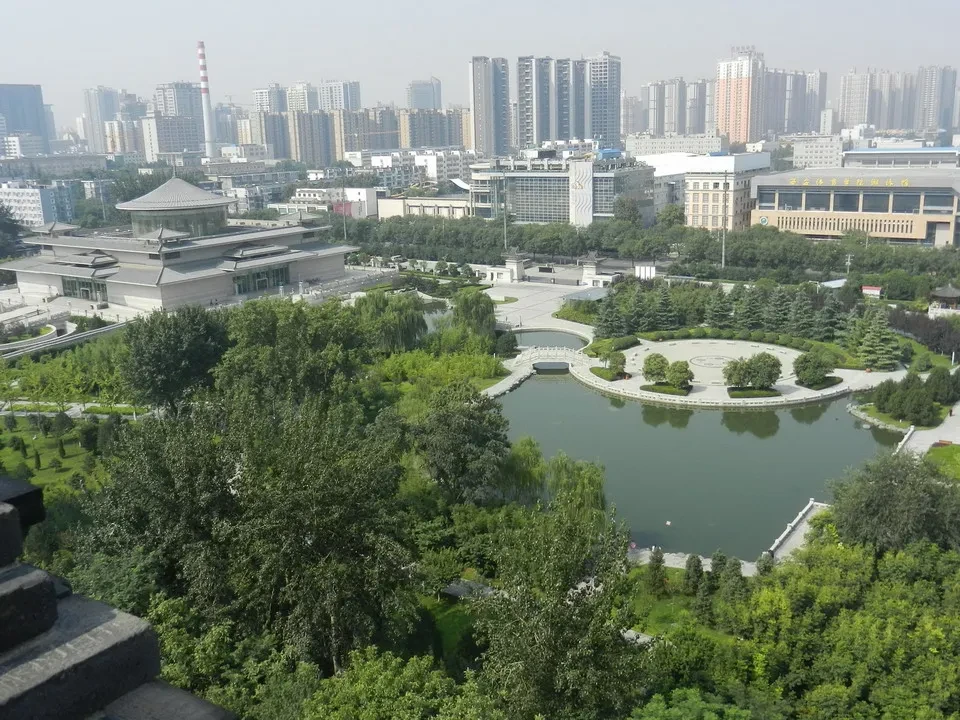
On several occasions, we saw a book titled "Mao: A President, Not a God" on the stalls. We learned from another source that there was once a genuine veneration for the Great Helmsman, to such an extent that it could be considered paradoxical. There is an anecdote based on reality that recalls how a farmer temporarily moved the statue of the President from its most central and visible location in his house to clean it: a watchful informant had denounced him for committing this anti-revolutionary act of removing Mao from where he was supposed to be. This kind of fear and accusations against others to save oneself is not uncommon during the Cultural Revolution in China. Asking around, one can get a balanced judgment about Mao that ends there and doesn't involve any commitment: it was positive until 1966 and negative in the following decade, when his Red Guards spread terror throughout the country. It is true that older people do not disapprove of the era of Mao because there was less corruption. For politicians, he remains an icon because he can no longer cause damage and is useful for maintaining the integrity of the system. Deng Xiaoping is rarely mentioned, but whoever truly revolutionized China was probably him. After this digression unrelated to the surrounding religious environment, we approach to visit the temple itself: the lagoon that surrounds it and the related bridges offer an atmosphere typical of the East. We meet people playing various instruments and singing on shaded benches, while crossing several religious buildings full of vendors with their goods displayed on tables: in this case too, one could easily talk about the presence of merchants in the Temple. After a series of steps, we finally reach what is the real pagoda, climbing through the 15 floors that become increasingly narrow until they become a single opening onto the terrace from which you have views of the city with all its contrasts: industrial, commercial and historical. The sky remains covered by a layer that we can essentially identify as a source of pollution. The Pagoda is entirely made of wood, so it has already experienced earthquakes without causing any particular damage.
The urban face of Xi'an
The Muslim quarter is not far away, and we take the opportunity to go shopping, successfully negotiating down the original price by at least 40% in a couple of cases – we were convinced that the Hui vendor had made a good deal. In the afternoon, we meet our guide and visit the… Grand Mosque ...and the Muslim Quarter (Beiyuanmen). The first one has nothing to do with the concept we have, with semi-circular arches and Arabic style. Apart from a few inscriptions in Arabic, everything else is in Chinese style, and history confirms this. I see people leaving the mosque wearing the traditional white cap, their faces indicating an origin more Western. They are on average taller than the average Chinese person, less stocky, and do not have the characteristic almond-shaped eyes. It seems incredible that after many centuries it was not possible to mix races. Thanks to or because of Muslim religion, which requires very strict family rules and prevents men and women from different faiths from marrying, unless they embrace Islam and its culture for themselves and their descendants. The same market/bazaar is in the hands of the Hui people, who employ Han staff (sometimes even beautiful Chinese girls) to better serve customers. Visiting the Mosque ends shortly before entering the prayer hall, as access is only granted to Muslims. During the Ming Dynasty, there was a dragon inside the Mosque, which is not common even in other Islamic places of worship in China, but it must be said that this is one of the most Eastern places of worship for this religion. The dividing wall served as a separator between those praying and other people who frequented the place. When it was created (in the 18th century), about 20 people would go to pray there; around the place of worship, in later times, the Muslim quarter was created, so now there are approximately 30,000 residents in the area. Currently, it is the largest mosque existing in China.
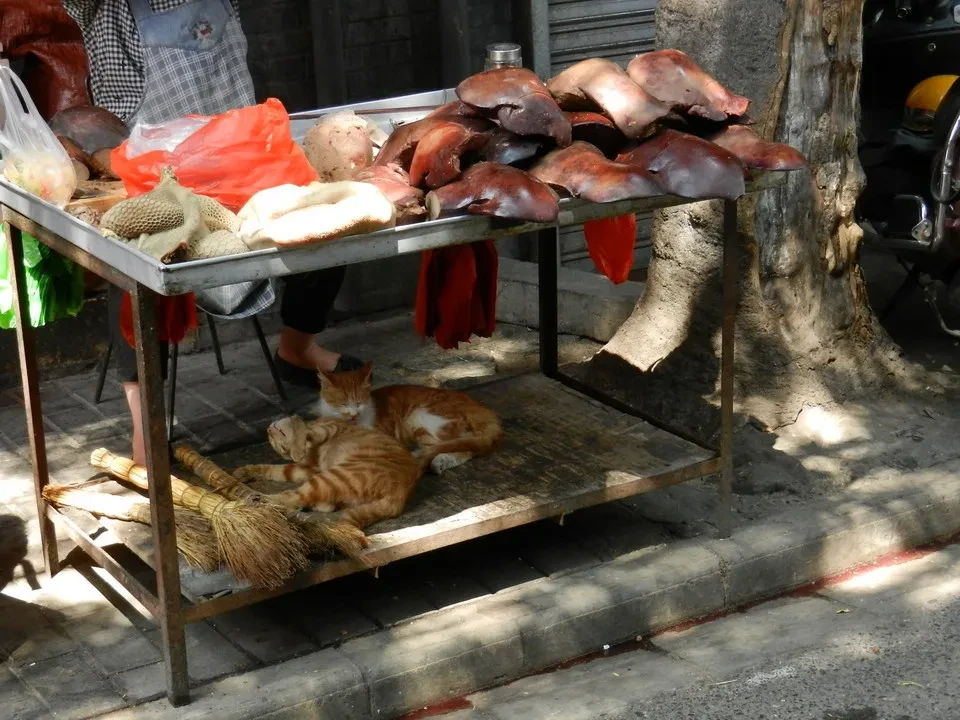
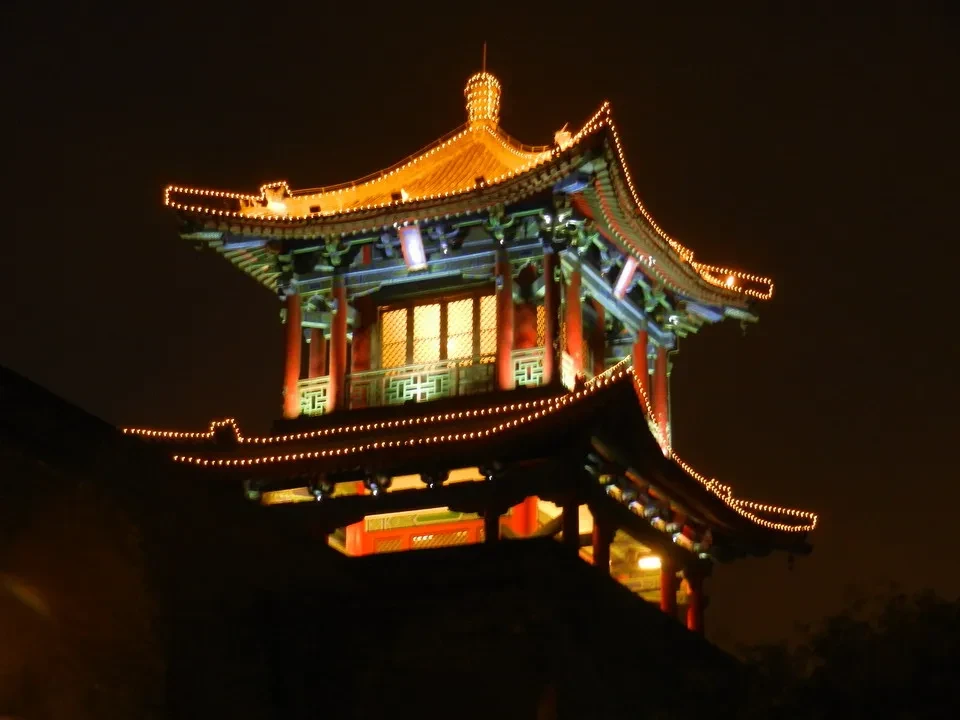
The bazaar is a reflection of life daily life and attracts more attention than certain historical wrecks. Ultimately, it's there that people live. He eats there. and that's where many people stay. A portrait of something that is disappearing in China: the originality of the people. What stands out to our attention are things like jelly beans or bean-based sweets, all sorts of... skewers prepared and cooked instantly, and the fruit, especially dates They are slightly larger than an olive. You can also find pairs of nuts here, which are incredibly similar: the bigger they are and the more similar they are, the higher their value becomes, up to several hundred euros. Others are sold for just a few cents because it was not possible to pair them. The traditional house is an old merchant's home that is currently used as a museum and painted in a fanciful style. You can visit the Tamburo Tower, located in the middle of a between most crowded roundabouts of the city center. Both during the day and at night, with its lighting, it brings to mind the chromatic fantasies of Chinese art. The background can only be represented by the hectic traffic and the modern buildings, enhanced at night by dazzling neon lights. Although it was previously prohibited, some skyscrapers have heights exceeding those of historical buildings. Not far away is the Bell Tower, made of wood, which is the largest and best-preserved of its kind in China, standing 36 meters high.
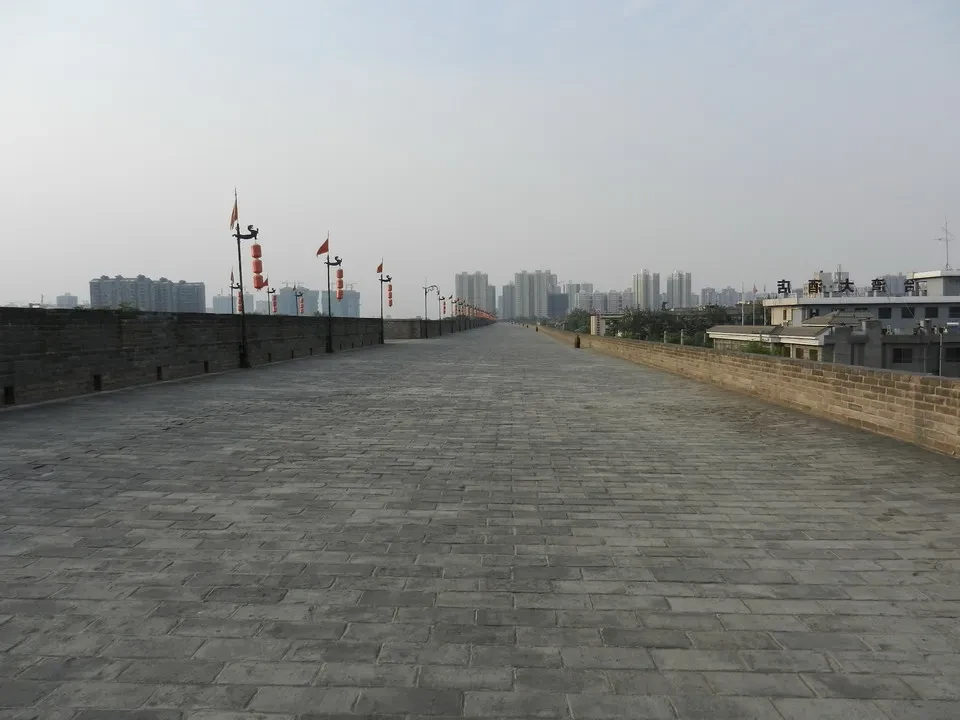
At this point, there are still several things to see. Ancient city walls: These are the largest and best-preserved walls of ancient China, and probably the best military pigeon in the world. The current city walls were built on the foundations of the Tang Dynasty walls during the Ming Dynasty (1368-1644 AD). 14 km distance and it would be a shame to miss it, while the shadows are starting to lengthen. We rent a tandem for 100 minutes. That's enough time to complete the circuit and take photos. in un environment which takes us back in time for the first time, thanks also to the sound system arranged at regular intervals that plays oriental music. In one of the four corners we even find a Lamaista Temple ( Guang Zeng), beautifully maintained, with its golden roofs and lush courtyards, it opens before our eyes a small glimpse of Tibetan culture.
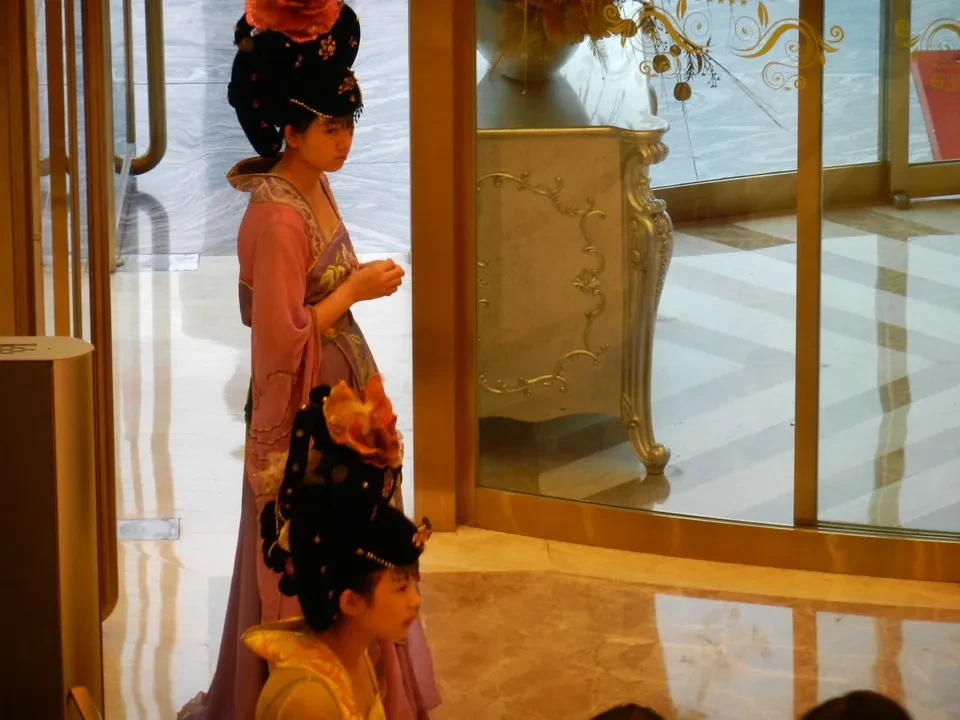
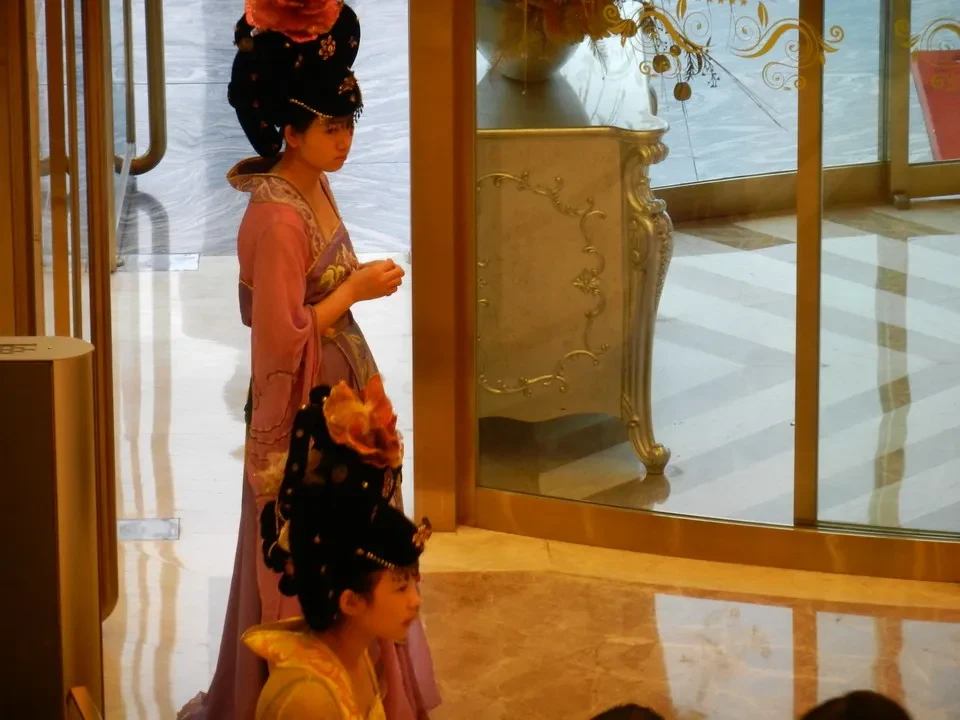
We have dinner again at the buffet restaurant from last night. It's a popular spot with both local and foreign tourists, with dearithe women dressed wearing traditional attire at the entrance. Everything is very much in a Chinese-style, pharaonic commercial manner, but you have to play along. The drinks are also good. A walk to admire the illuminated towers I bid farewell to this historic city.