

China and the Silk Road
China, a country of contrasts: ancient dynasties and unrestrained modernity, breathtaking natural landscapes and futuristic metropolises.
Map
Map of China and the Silk Road - complete itinerary
The term "Middle Empire" can represent a good summary of modern China: whether it is an empire or not is beyond doubt, and the term "middle" also applies, given its ambiguities between wealth and poverty, between advanced industry and backward rural areas, between the opulence of neon lights in urban centers and the poor quality of products and services. In short, considering even the limitations faced by the Chinese people, it can be said that the Forbidden City remains largely inaccessible.
When four years ago people asked me what I was going to see in Mongolia, I replied: the people. This time too, I was interested in understanding the country from a social and anthropological point of view, without neglecting the historical and natural beauties offered by the journey. As I had heard good things about the Mongols, I hadn't heard as much about the Chinese. And somehow both opinions turned out to be essentially correct. But it wouldn't be fair to make a big deal out of everything, and it's even less true when we talk about a billion and a half people.
Visiting Vietnam, governed by the communist party, felt like experiencing a distant, watchful freedom. In China, there is a clear perception that surveillance is much closer. Ideological dogmas are not debated, and new ones have been created, borrowed from capitalism, in a political syncretism that only this country, accustomed to assimilating religious beliefs, has managed to reconstruct in a modern version. Large SUVs speed past stalls selling food, while the façade of communism serves only to prevent the less privileged from rising up. Unconcerned with touching on the ridiculousness of their statements, Chinese politicians mask behind the "people's dictatorship" an authoritarian system that actually corresponds to the most corrupt capitalist regime, indifferent to even the most basic rights. This policy is also useful for silencing Western intellectuals, in addition to offering a free pass to entrepreneurs who want to find the system best suited to their production needs (the news that workers are required to work up to 76 hours per week to assemble an iPhone serves as an example and warning). This happens in China, inhabited by the Han people, i.e., the Chinese. A separate chapter deserves the autonomous regions at risk of secessionist movements: both Tibet and Xinjiang are nothing more than colonies subject to Beijing's rule.
Beyond the sought-after sociological aspects, the trip also included visits to the beautiful western provinces, where deserts and mountains up to 7500 meters dominate. From a historical perspective, one can only admire the great past of this nation, which saw the flourishing of advanced civilizations in antiquity. Two examples of such capacity are highlighted in the Great Wall and the Terracotta Army. If you want to go further, you can also include the Tibetan monasteries, oases cities, all the way to the Dunhuang Caves. Images that remain indelible in memory, but one must not turn around to see the mass of tourists who tread on them and the rapid transformation of the surroundings into mechanisms where everything is for sale.
The Silk Road is now traversed by many other merchants, but the Northwest still manages to convey the idea of what traveling meant in the time of Marco Polo: an adventure, sometimes a madness. Certainly, the discovery of a New World.
NOTE: Some information obtained during the trip has been omitted in order not to further compromise the already limited freedom enjoyed by Chinese citizens. These are not secrets; they are just some details of everyday life: a mix of paradox and bureaucracy. After all, if China employs no less than 30,000 people to monitor the internet, it is their duty to protect those who live in that country.
Itinerary
Travel days
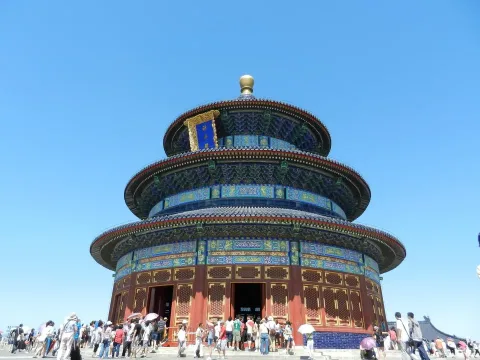
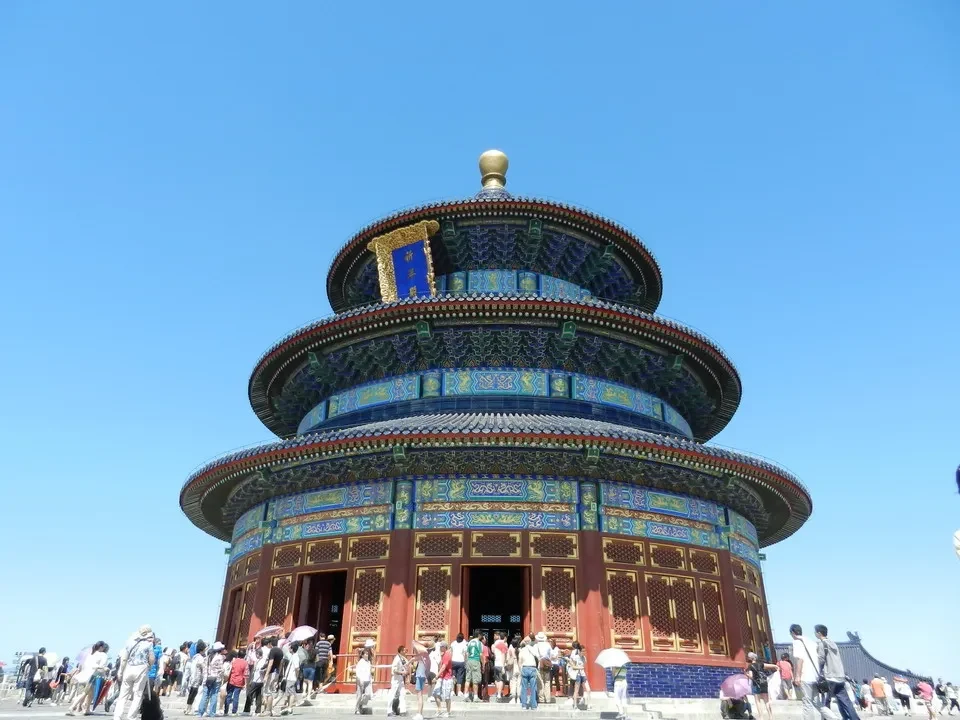
Beijing
Beijing: The new center of a world moving at breakneck speed towards the unknown.
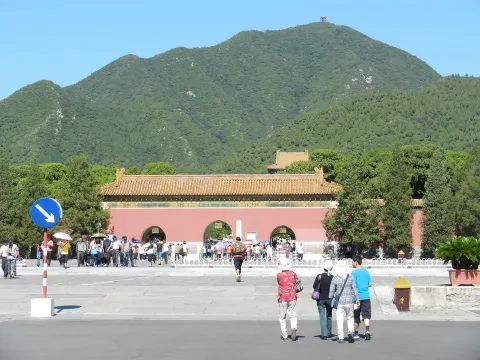
Great Wall
Tombs of the Ming and Great Wall: Facing imperial history
Terracotta Army
The Terracotta Army continues to inspire awe, even after 2200 years.
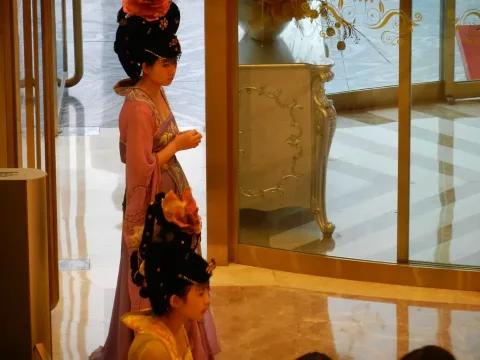
Xi'an
Xi'an also has temples, a mosque, a Muslim quarter, and the ancient city walls.
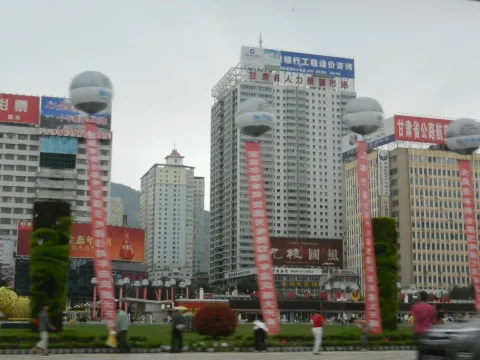
Yellow River
From the industrial city of Lanzhou to a taste of Tibet, passing through the sacred site of Binglingsi.
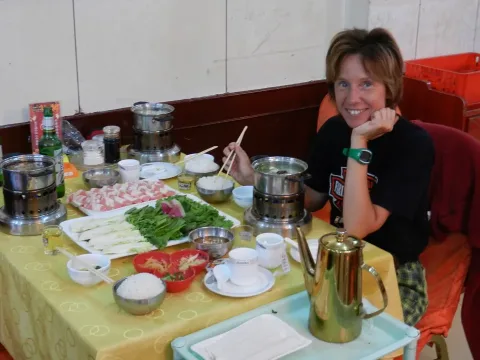
Tibetan Monasteries I
The mystic of the Labrang monastery and mountain landscapes. The Tibetan region, regardless of political maps.
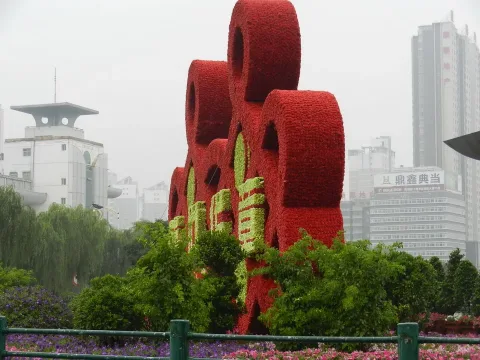
Tibetan Monasteries II
The Taer Monastery, still in a Tibetan style. But the Chinese influence is more prominent.
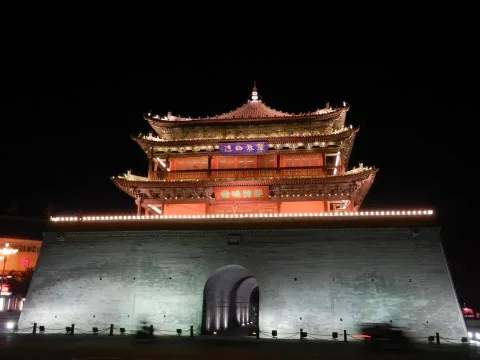
Silk Road
Dafosi: Buddhist monastery in China. The desert and the Silk Road come to life.
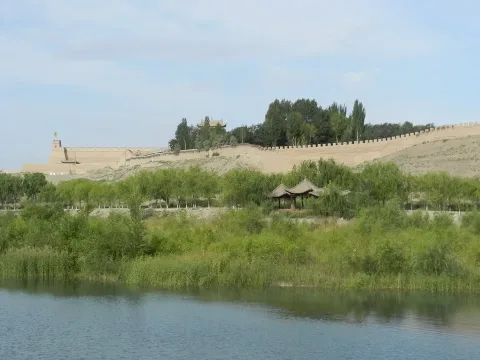
Jiayuguan
The Jiayuguan fortress, the western end of the Great Wall. Evening market in Dunhuang.
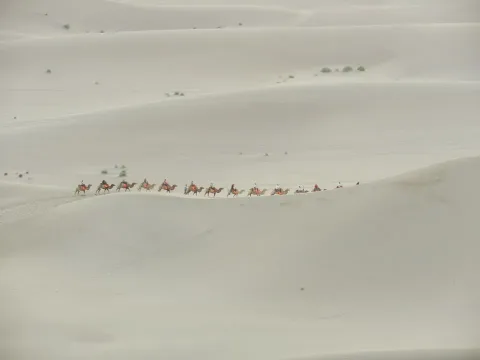
Dunhuang
Desert of Dunhuang. The Mogao Caves: the ultimate expression of Buddhist art on the Silk Road.
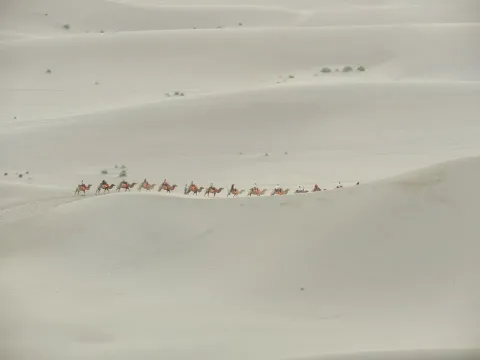
Turpan
Turpan, an oasis in the hottest place on Earth: mosque, vineyards and karez (tunnels for water supply).
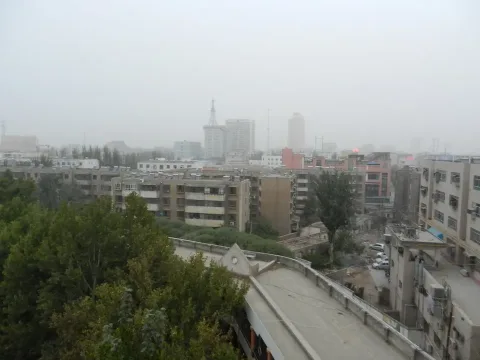
Karakul Lake
The peaks of the Pamir range reflect in Lake Karakul. The bazaar of Kashgar: a portrait of Central Asia.
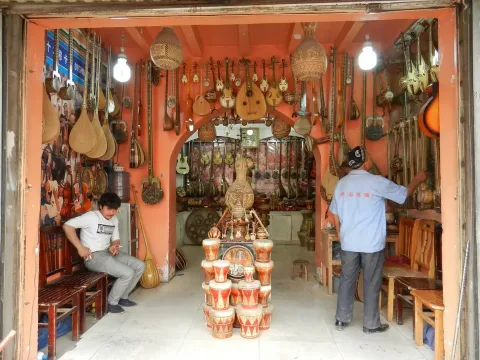
Kashgar
In Kashgar, time seems to have stopped at the Silk Road era: but not for long!
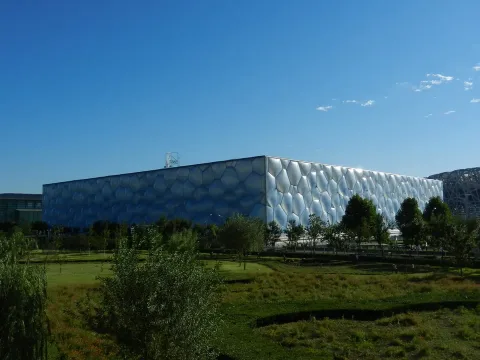
Beijing II
Back to reality. And then back home...