Day 8
Qaranaq / Chak Chak
Qaranaq, an ancient village. Chak Chak, traces of Zoroastrianism. Meybod, the fortress.
The urban face of Chak Chak
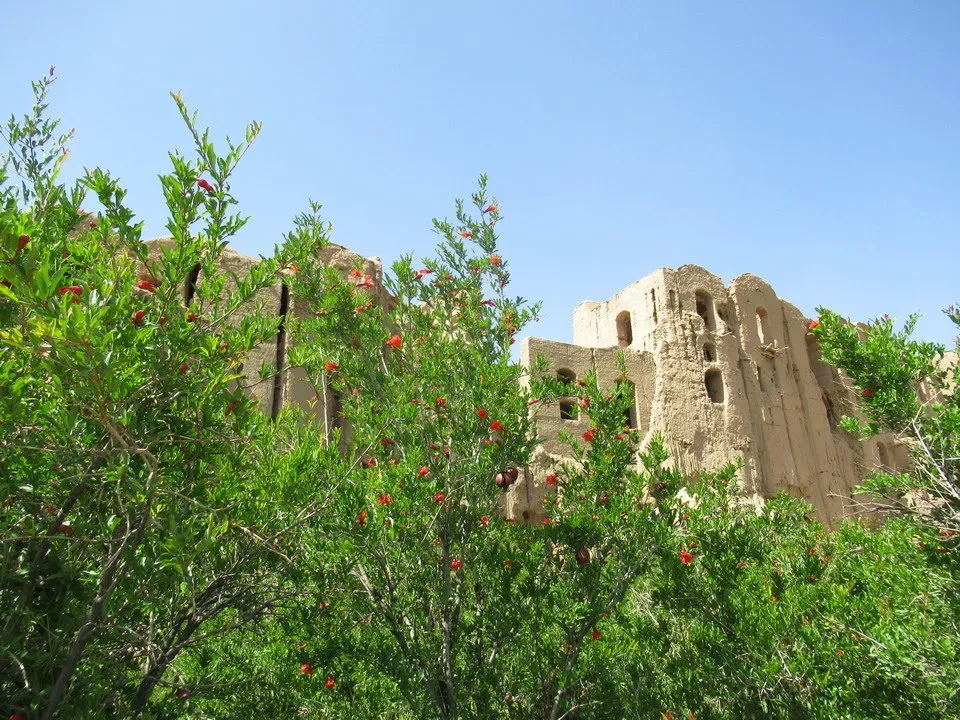
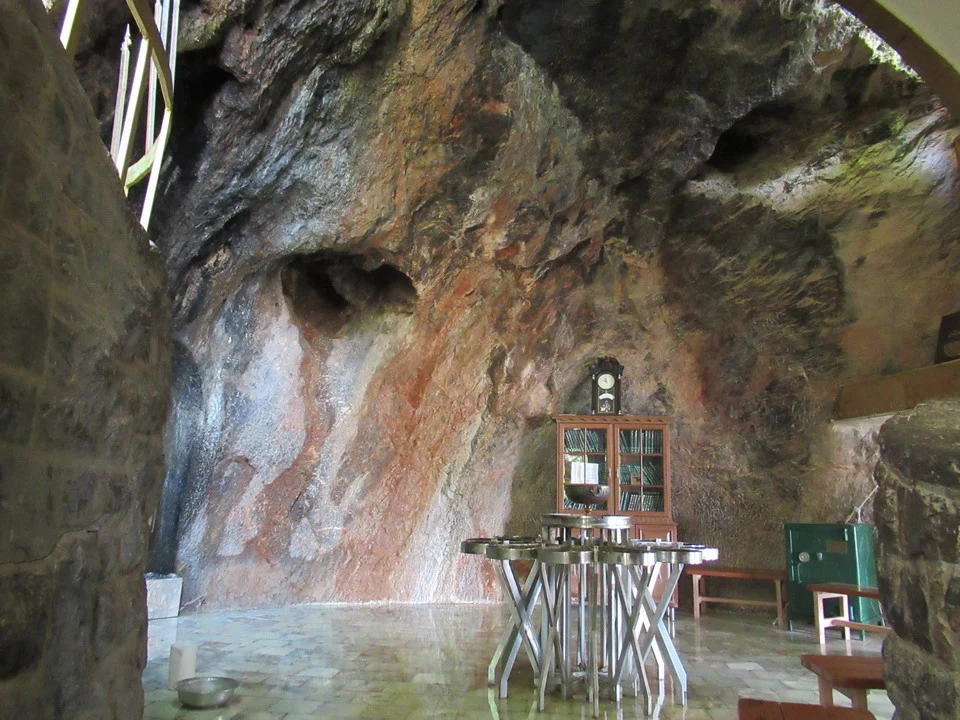
Today is dedicated to visiting the attractions around Yazd. At 8:30, our guide will pick us up, and we'll go to... with him in his black Peugeot (you can easily recognize it among all the other white cars). Kharanakh, a ghost town that presents itself with the typical single color of bricks under a scorching sun, and where the new neighborhood was built. The old part has actually been abandoned, and the residents have gone to seek their fortune in other cities, many just seeking survival. Those who have returned or simply love the place as a vacation spot have preferred to build a home outside this intricate village. It is interesting to wander through the alleys and rooms, communicating with each other in such a way as to allow escape routes if attacked by enemies. Unfortunately, the enemies who eventually forced the residents to flee arrived through centralized policies, aimed at channeling residents from peripheral areas into a new, more easily controlled proletariat. We move towards the site of Chak Chak, a mountain wall in the center of which is located a Zoroastrian fire temple, built in memory of a princess who fled from Arab troops and found refuge here, thanks also to a water leak that allowed her to survive. It rained yesterday morning, and as this is a place where rain only falls for a few days a year, there are many stones scattered along the road, as evidence of the water flow and due to the lack of bridges. The temple also sees abundant rainfall; usually it's just a few drops falling on the ground, producing the onomatopoeic sound that gives the place its name: Chak Chak. It is interesting to note the history associated with this, which we could call a sanctuary, located in a remote area and surrounded by a majestic surroundings, with the enormous red wall rising steeply.
Traditions and spirituality
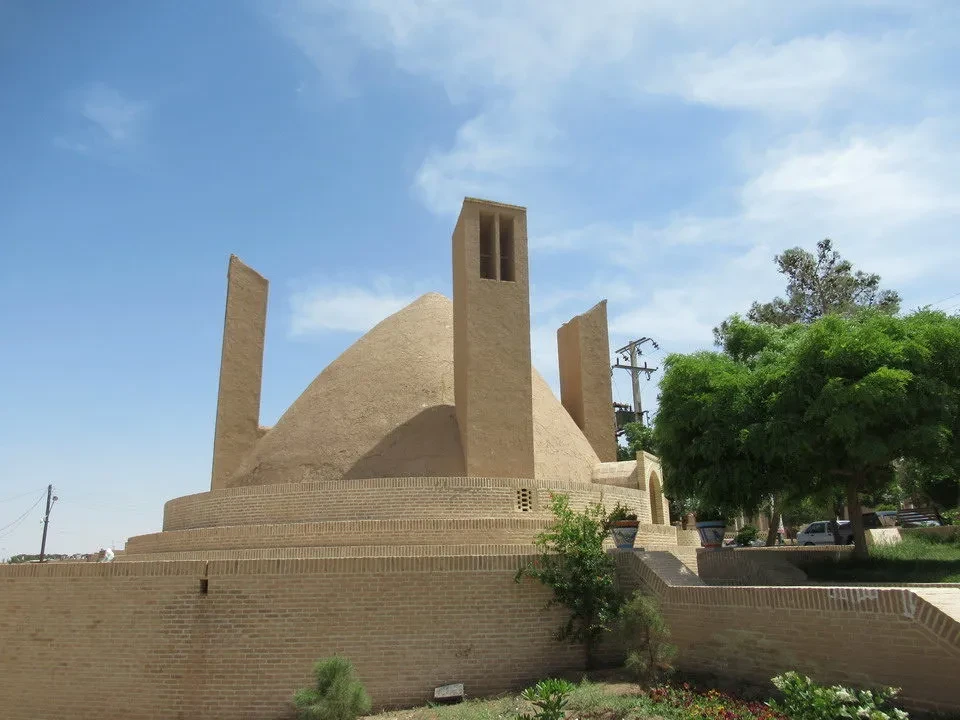
While returning, the guide shows us two short videos on our smartphones about Zoroastrianism and Shia Islam, created by National Geographic. We then move to Meybod; this place is located in a plain further from the mountains, which explains why water storage is so important here. We visit the fortress (Narin Qaleh) whose construction dates back more than 3000 years, from whose top you can enjoy a beautiful view. view of the city and the surrounding desert. We are informed about the different thicknesses of the walls exposed to the north or south, which indicated their use in summer rather than winter. We also visit the water tank, the pigeon tower and the ice rink This particular one is particularly interesting: although the water in the city only freezes for a couple of months in January and February, in the evening, staff would pour water into deep basins about twenty centimeters deep opposite the ice rink, the water froze overnight, and in the morning you could collect the ice and store it inside the building. Compared to the entrance, it has a depth of about ten meters, and the ice stored reached up to 5 meters above, to give an idea of the work involved. Near the entrance, a staircase was created in the ice to reach the top of the enormous structure built. There is a hole at the bottom for draining meltwater, while there is another one at the top that served to let cold air in during winter and was closed in summer. The thickness of the walls at the base exceeds two and a half meters, while at the top it reaches about twenty centimeters, forming a beautiful egg-shaped dome. This practice continued until about fifty years ago, when it was replaced by electric refrigerators. The pigeon tower is also worth visiting, as it can accommodate 4,000 pigeons. The droppings were collected once a year, and the pigeons were also used for eggs: when the chickens abandoned their eggs, they were placed next to those of the pigeons to be incubated together, with the only difference being that the pigeons pecked at the chicks, so the eggs had to be removed just before hatching. The birds were also used as food. We also enter a well-restored and adapted caravanserai for artisan activities and sales: we can see a carpet weaver, a thread weaver, a woman busy painting copper plates, etc. It is known for being the only one crossed by a irrigation system, on whose roof there is an earlier version of the loading platform, originally intended for camels. We return to Yazd, taking a couple of photos in traditional costumes, and exploring the bazaar, where shops are reopening after the afternoon siesta, around 5 pm. Dinner is served on the rooftop terrace of a restaurant overlooking the Majed-e Jameh, in an atmosphere reminiscent of ancient Persia.
The atmosphere is even more enhanced by our seating arrangement: we sit at a typical table and chair covered with a rug, in the Iranian style. Further east, one might talk about the lotus position, which for us translates to pain in the lower joints, but here we are and we must/want to adapt to local customs.
Yazd and Esfahan are the wealthiest cities in Iran due to their favorable locations with mines and established industries, reflecting a strong entrepreneurial spirit among their residents.