

Day 1
Arrival in Moshi
Arrival in Tanzania, amidst tensions and promises. The first view of Mount
Arrival at JRO and transfer to Moshi
To be perfectly honest, there were plenty of reasons not to go, after two years of postponement due to the pandemic and the passport issue. But the desire, almost obsession, to attempt Kilimanjaro prevailed, and we are heading towards our destiny, aware that we are playing our cards to reach the summit. After a smooth flight, we arrive at the small airport of Arusha/Kilimanjaro in a largely tourist setting. At passport control, I explain that the visa has not yet arrived but that, according to the Tanzanian consulate in Milan, there should be no problems with the application ID. I am taken care of by an operator who takes me to an adjacent office, where an official checks my status on video: the response is that the visa is still being processed and that if I want to enter the country, I need to obtain another one. My explanations and reassurances are useless; I have to join the queue and apply for a visa immediately, just like many others already waiting. Feeling relieved after this bureaucratic hurdle, we head to the exit with almost an hour's delay, meet our driver, and exchange 100 euros for Tsh. We immediately set off for Moshi, towards Kessy Brothers Tours office. The bus we are traveling in is very old and in poor condition, but it is efficient: the road from JRO that intercepts the Arusha-Moshi route is in excellent condition, running through a rocky and almost sterile plain, except for the presence of anonymous bushes. The wind creates numerous small tornadoes, playing with the clear dust and creating a near hellish environment. As we approach Moshi, the landscape changes dramatically, becoming greener and softer thanks to the presence of water.
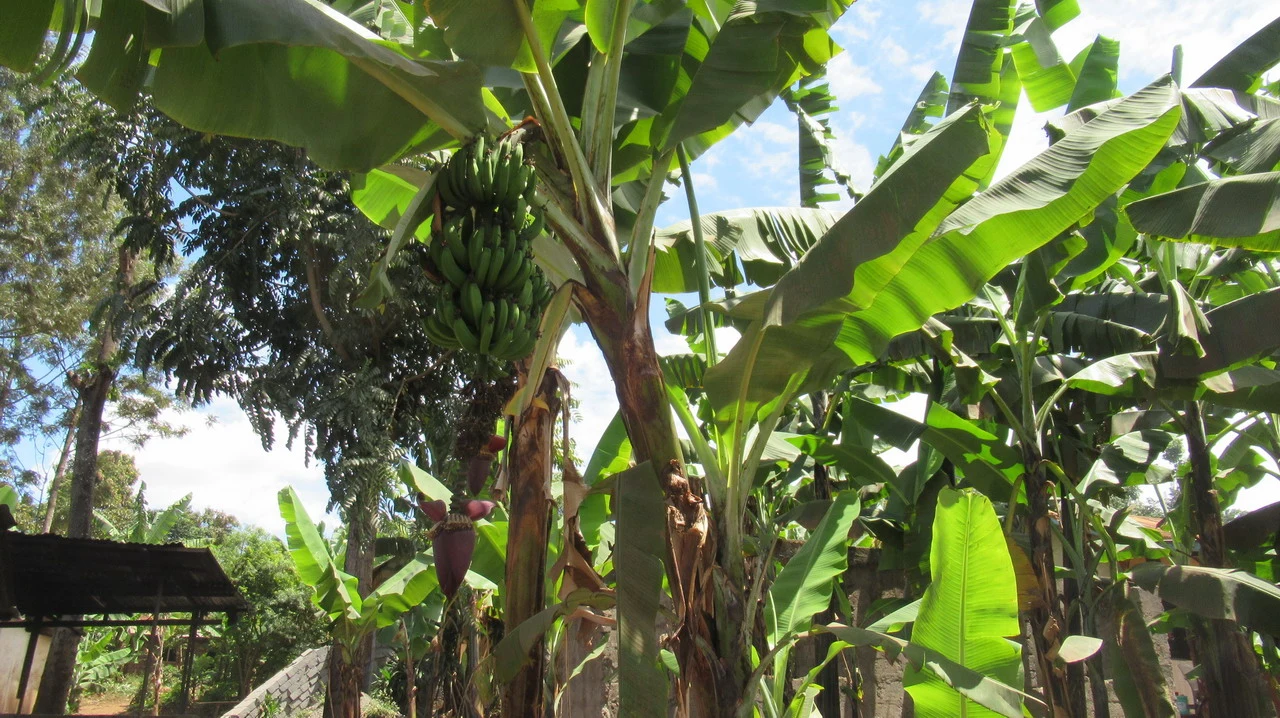
With Kessy, we review the situation and are given the rules for trekking, check the equipment we brought from Italy, and receive what we need, including high-altitude jackets, -24° sleeping bag, overpants and gaiters. We agree on the price of the trek and safari, unfortunately, the weak euro at this time doesn't help. At this point, we are ready for a few hours of relaxation in the hotel before departing. Since the Sal Salinero seems to be under renovation and has limited rooms available, as explained, we find accommodation at the Keys Hotel, located in a quiet area on the outskirts of the city. We have dinner with a stew surrounded by bananas immersed in sauce; we discover for the first time that green, unripened bananas can easily replace potatoes or other carbohydrates. We take a walk with local coffee while staying within the hotel perimeter, observing how well it is protected against intrusions and the entrance defended by a guarded gate. We go to sleep feeling reassured and tired; nights spent on planes are never particularly relaxing, and the next ones will be even worse.
The day's chronicles report of a departure from Addis Ababa with a 50-minute delay, largely recovered during the flight, and a smooth landing at the small airport of Arusha/Moshi, affectionately called Kilimanjaro, and equidistant from both cities, after a magnificent and beneficial view of our mountain from above. We tactically chose seats on the left side specifically in the hope of admiring it, and there it appeared, enveloped in a sea of clouds, as it could not be otherwise. The dream becomes increasingly obsessive, the temptation almost anxiety, perhaps too much when considered against the backdrop of everyday life locally. Perhaps the wait has led us to this point, and it is difficult to resist; at the same time, one must remain calm, knowing that this is a marathon, not a sprint. The environment is dry, typical of the savanna in this season, with villages following each other in a typically African setting, colorful but not impoverished. Along the road to Moshi, we notice artisans displaying iron or wooden beds in large quantities, directly outdoors in front of their home-workshops. Obviously, the local inhabitants place some significance on sleep. The roads around both cities are busy with all kinds of vehicles: cars, trucks, buses for public transport, tuk-tuks and bicycles. All with different loads, needs and speeds, which makes the risk of accidents grow exponentially. We also notice many well-built churches, in stark contrast to the modesty, if not poverty, of private homes. While taking us to our destination, the driver confirms that despite being in the dry season, the drought is particularly severe this year; even in the countryside, we see abandoned crops and barren land. Between Arusha and Moshi, the terrain already appears difficult to cultivate, rocky and with a loose soil; only at the height of the two cities, where rivers flow down from the mountains, does the situation change, and we can occasionally see lush vegetation, with some rice cultivation, vegetable gardens and well-organized nurseries, but the land is already more fertile at first glance.