

Ruins in the jungle
The mystery of Ritigala It is essential to make the place fascinating: on its own, it would be nothing special, just some old foundations that could have been residential or religious areas, connected by a staircase, a good source of food for archaeologists. But the fact that everything is immersed in the densest jungle and that you have to interpret ancient ruins from a couple of millennia ago makes the environment very appealing. It was the ideal place to establish a hermitage from which to escape society and live off what nature offers. Even though the society of past times should not have been too intrusive, the monks preferred to retreat among these trees to meditate in poverty on the scriptures. We ask ourselves questions and find answers, since we don't find much help either on site or in books. Perhaps it is for this reason that imagination takes over and we imagine the monastery bustling with the figures who frequented it in antiquity. Let us leave Ritigala with its aura of mystery.
Lunch is served in the style we had planned: in a rural setting, we enjoy a variety of. local specialties, some a bit spicy but overall delicious, cooked in terracotta pots over an open fire, rekindled as needed to keep the dish warm. We will soon learn that chili peppers are mainly used in local dishes because they are said to warm the mouth while cooling the body, while black pepper would have the opposite effect: nevertheless, there are dishes that literally set the mouth on fire, and at this point, the flames are inevitable. The only way to extinguish them is with plenty of white, red or black rice, steamed and eaten in abundance. Fruit accompanies every meal and is a feast for the senses: watermelons, papaya, pineapple, grapes and bananas, and mango, although it's rarer despite the trees being almost everywhere and being delicious. The decorative setting under a decorated awning is also definitely appreciated.
Polonnaruwa, a city near Anuradhapura.
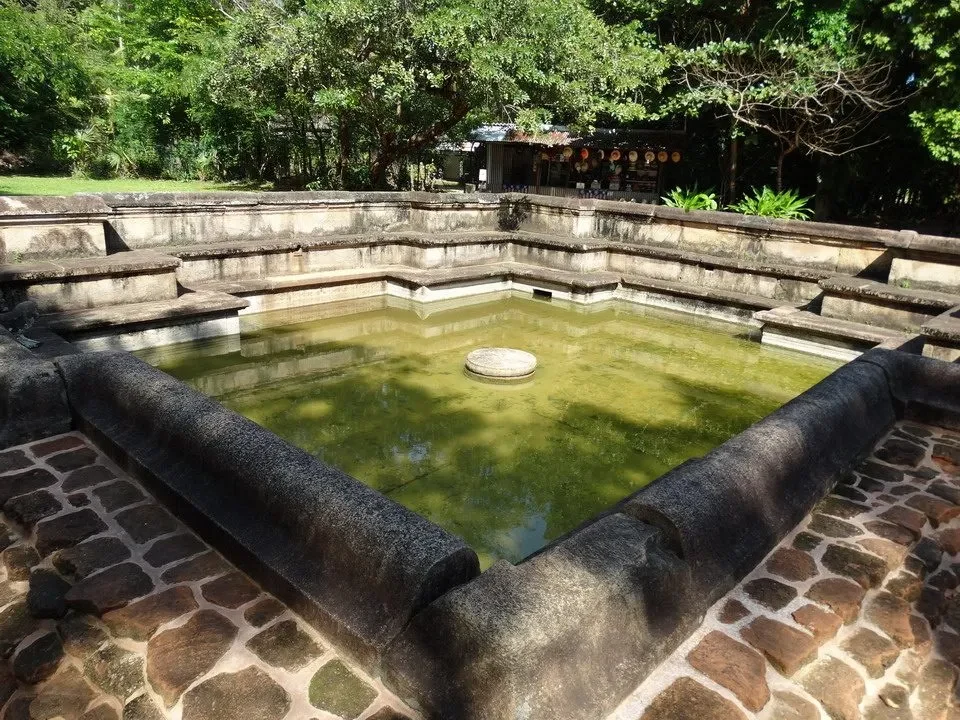
But the "archaeological" part of the day is yet to really get going: while yesterday we visited the mother city, Anuradhapura, today it's time to to my daughter in Polonnaruwa, which became important at the beginning of the 11th century and is therefore better preserved, although not as impressive due to a much shorter history. It's hard not to be tempted to revisit those times when the nobility invested all their wealth to create a lavish capital while the Tamil enemies were about to descend from the north and conquer this city, pushing the Sinhalese kingdom further south. This kingdom would experience a period of resurgence, but on different terms, allowing both capitals to be forgotten by history and invaded by the jungle, only to be returned to their former splendor by the dense vegetation, allowing archaeologists to reconstruct stories and lives lived in such a distant past among palaces, monasteries, and Buddhist temples.
While returning, we encountered some elephants that slowly stroll along the road. Actually, this area is known for possible sightings even outside the parks, and the sunset coincides with the time when elephants come out to gather food for dinner.


