

Nepal and Tibet
From Nepal to Tibet: between Himalayan peaks and Buddhist spirituality, a journey that challenges the body and enriches the soul.
Map
Nepal and Tibet map - complete itinerary
It has now been two weeks since the end of the trip, when I begin to write about our adventures and can say that the longing for what we left behind hit us immediately upon returning. We miss the sweetness and selfless attitude of those people: we never expected to find so much wealth amidst poverty. The scene of the friendly official at the departure from Kathmandu airport comes to mind, when he asks me how things are while affixing labels and stamps to my passport: his expression is surprised when I answer "not so well, as I have to leave this wonderful country." He simply replies "you can come back!". I retrieve my passport, respond to him, and he responds "you can count on us, Namaste!".
The photos and videos stored on the SD cards will remain a secondary (though important) memory compared to what we were able to experience by immersing ourselves in Nepalese and Tibetan cultures; two populations fundamentally different, yet united and separated by the Himalayas, poor in possessions but rich in spirit. The warmer climate of Nepal influences the character of its people, resulting in a more cheerful and "Latin" behavior. The Tibetans, like all populations living in high and hostile lands, appear cold and distant at first glance, but it quickly becomes apparent that this is an attitude of fundamental reserve, and reality demonstrates a willingness that goes far beyond appearances: over 50 years of submission to the Chinese giant and the subsequent restrictions on religious practice have undoubtedly contributed to their reserved nature. In the end, it becomes almost impossible to say whether those living north or south of the world's highest mountain range are "more likable."
Just as human nature often presents inconsistencies, it also happens that the geographical landscape offers unexpected gaps. This is how the Himalayan chain provides a passage exactly in the middle of its westward-to-east extension, which has historically allowed the passage of populations, cultures, religions, goods, and sometimes even armies: the canyon descending from Nyalam to Kodari and beyond to the green hills of central Nepal, although it is a narrow and steep fissure where the road was carved, creating a horizontal strip in an environment dominated by verticality.
Itinerary
Travel days
Trek Annapurna I
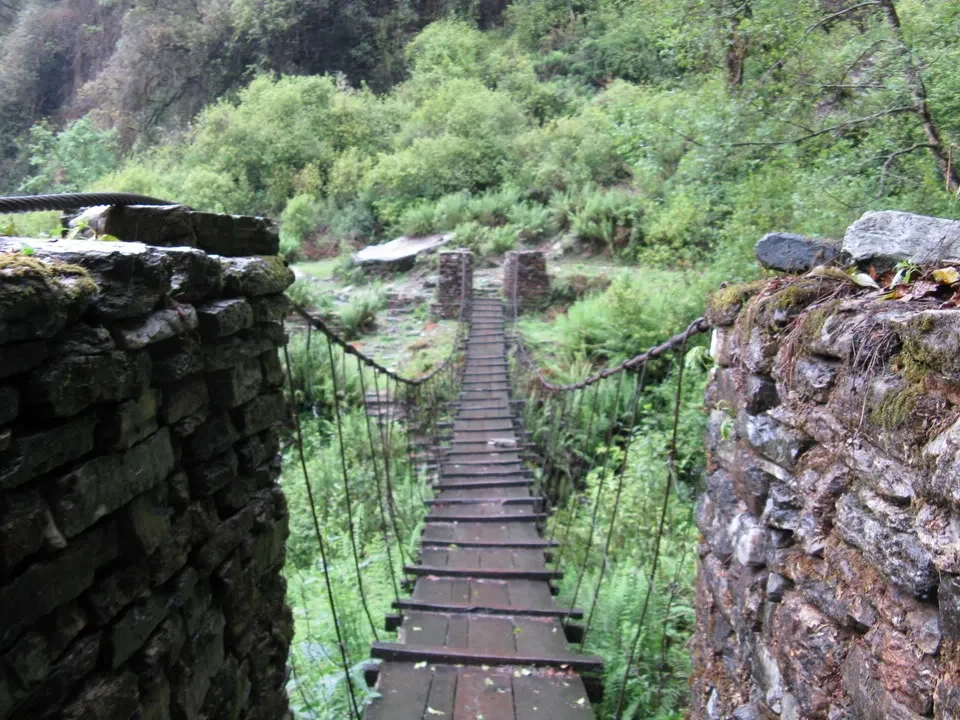
Hiking to the Annapurna Sanctuary: by plane to Pokhara, by taxi to Phedi, on foot to Landruk.
Trek Annapurna II
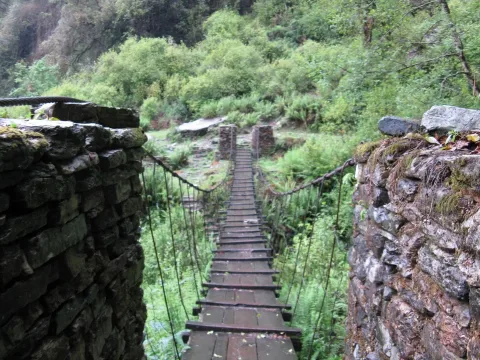
Still rain in the jungle until Bamboo (via Chomrong). And snow at higher altitudes.
Trek Annapurna III
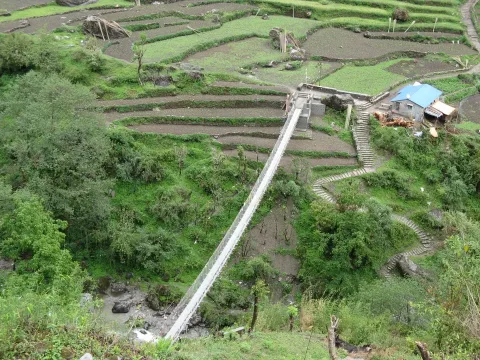
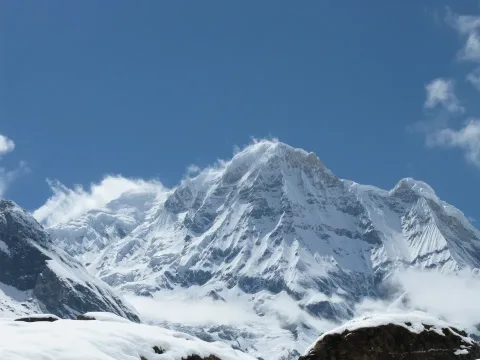
The big day: with a climb of 2000 meters, we reach the Annapurna Base Camp under clear skies.
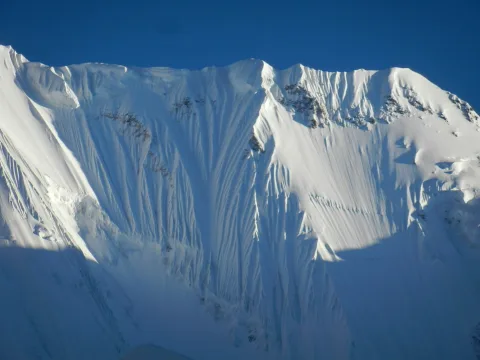
Trek Annapurna IV
Sunrise over Annapurna: the title of an unforgettable dream! And then, the descent begins.
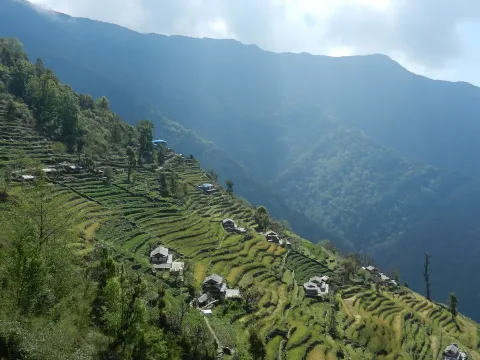
Annapurna V Trek
Up to Ghandruk, passing through Chhomrong – amidst beautiful terraced fields and wonderful people.
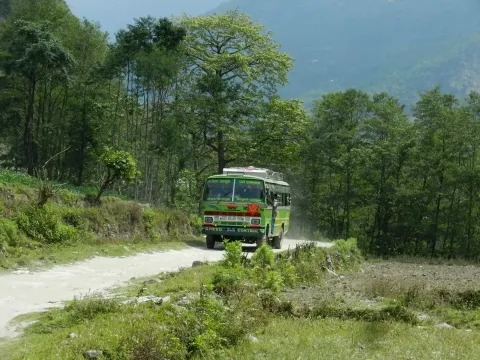
Trek Annapurna VI
From the tranquility of Ghandruk to the chaos of Kathmandu: two faces of Nepal, a friendly country.
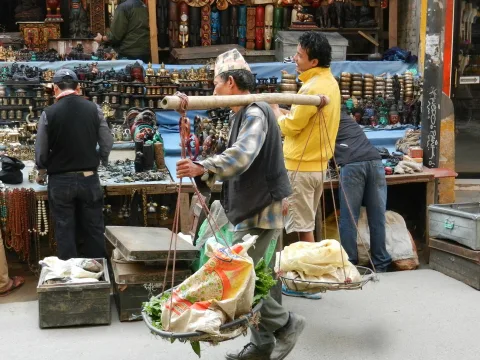
KTM – Lhasa (no, Chengdu)
On the day you were planning to arrive in the heart of Tibet, in Lhasa, fate led you instead to Chengdu, in the stomach of China.
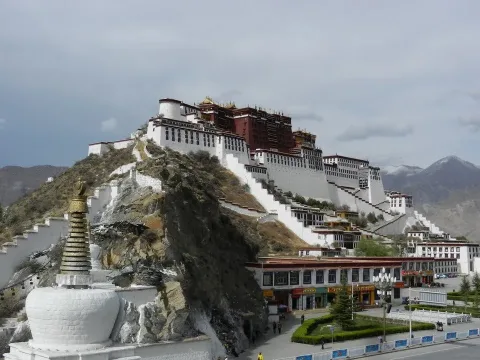
Lhasa
Lhasa: capital of the Roof of the World. A city of contrasts, increasingly Chinese but proudly Tibetan.
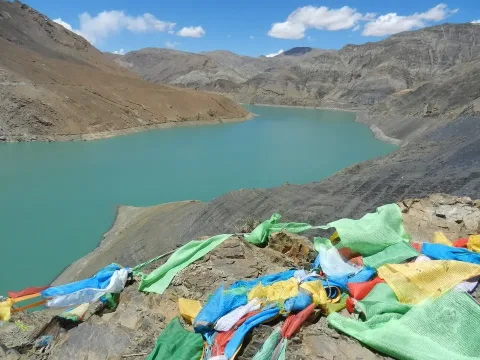
Gyantse
Stunning views of the plateau. Gyantse: a crossroads of history, a bastion of Tibetan culture.
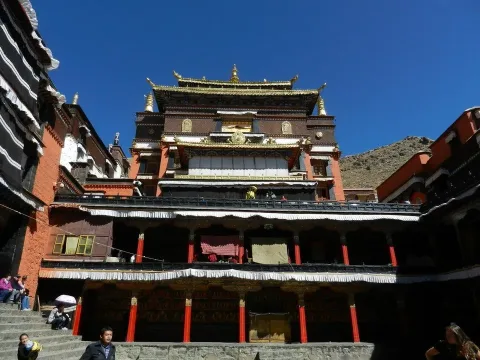
Shigatse
Shigatse: politics and religion at the Tashilungpo monastery. Shegar: first view of Mount Everest!
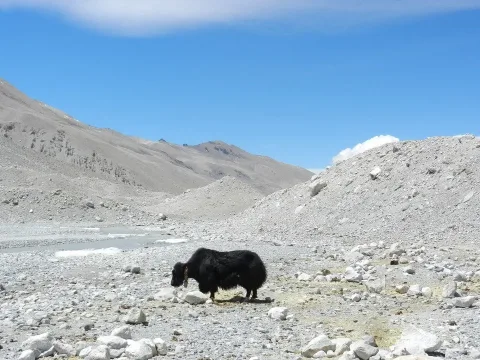
Everest Base Camp (E.B.C.)
Rongbuk Monastery and approach to Everest, up to the base camp on the north side.
Crossing the Himalayas
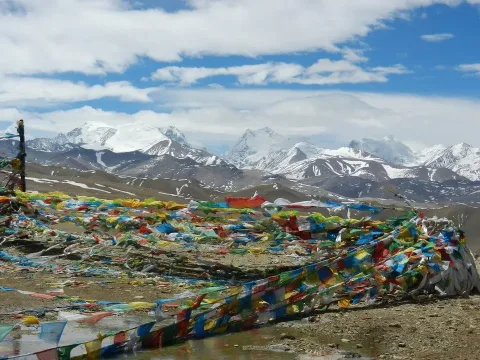
The Everest greets us with a beautiful sunrise. We return to the Friendship Highway until Zhangmu.
Return to Nepal
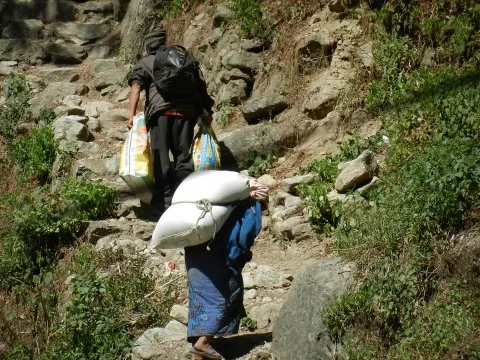
Crossing over the Friendship Bridge and returning to the cheerful Nepal. A mix of religions in Swayambhunath.
Kathmandu
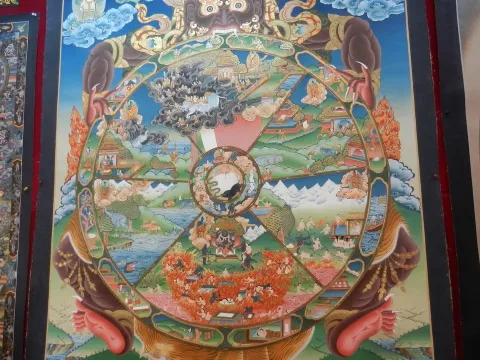
Pashupatinath Hindu Temple and Bodnath Buddhist Stupa: two religions, two aspects of life, a common spirit.