Day 15
Roman sites on the Mediterranean and Algiers
Tipaza and Cherchell: Roman "dwellings of the gods"; Algiers between Islamic and colonial architecture
From Algiers to Cherchell and Tipaza
Cherchell and Tipaza
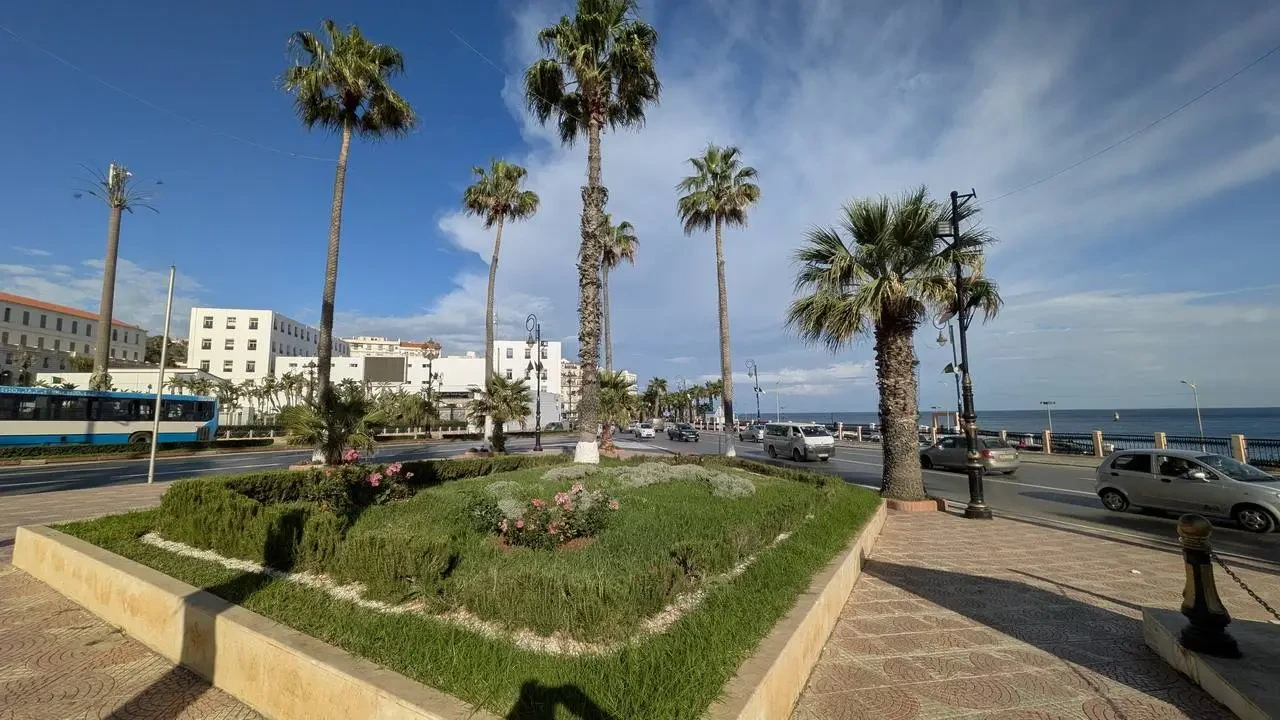
A few drops must have fallen during the night because the ground is wet, but now the sun is shining and clouds are practically absent; the sky is blue, as almost always happens in Algeria. It is Friday, therefore a holiday, and fortunately there is not much movement in the city, which makes leaving Algiers easier, first through its residential districts, then across the university area. The artery that in 70 km leads to Tipaza runs west, allowing glimpses of the coast and the Mediterranean filling the horizon. When it turns inland, orderly crops appear: tomato fields dominate the gentle slopes, but olive trees, eucalyptus, citrus groves and vineyards also accompany the landscape. We meet many people beginning the holiday by jogging along the fast road; evidently there are no alternatives, and the smog mixed with traffic noise is not a problem for them.


Royal Mausoleum of Mauretania and Cherchell
A first stop will be the Mauretania Royal Mausoleum, a Roman funerary site built by the rulers of Numidia, allies of the Empire, for Juba II and his wife, the daughter of the famous Egyptian queen Cleopatra. Located on a promontory, it dominates the coast and offers a splendid view of the sea.

Continuing west past Tipaza, we visit the Cherchell museum, ancient Caesarea, another Roman city whose local museum is rich in statues and mosaics. On leaving, history merges with landscape, as the square in front opens onto a small harbour that could easily be in any Italian Mediterranean gulf, showing itself off with the village suspended between land and sea. Appearance gives way to substance when we are told that the Algerian merchant navy does not shine for equipment or efficiency, so much so that there is a saying that fish offshore usually die of old age.

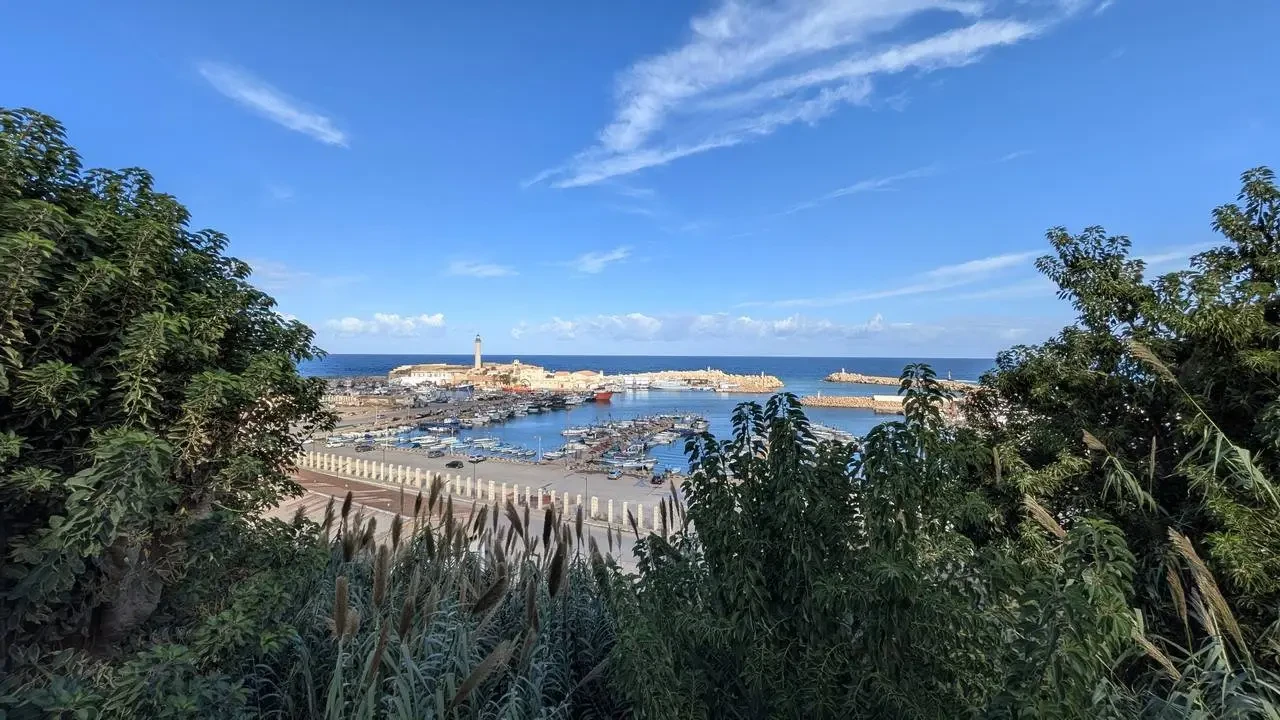
Tipaza, the garden and the Great Mosque
We finally reach Tipaza, a diamond of Roman history set in nature that could not be more benign. It is no coincidence that the ancient city stands among greenery by the sea, where Camus, remembered by a small stone in one of the most beautiful spots, exalted it in lofty phrases. But one does not need to be a poet to realise the beauty of this place. In terms of preservation we are far from Timgad, but the context compensates, between the dark green of the massive olive trees and the majestic blue of the sea. The reddish stones contrast perfectly with the colours of leaves and water. The mind struggles to realise and understand so much past beauty; today only stones remain, to which a botanical garden restores charm, as if it had grown to compensate for what time and neglect, sometimes deliberate, have taken away. A cat is the silent spectator on the edge of the amphitheatre, perhaps imagining too the shows once held in ancient Tipaza.


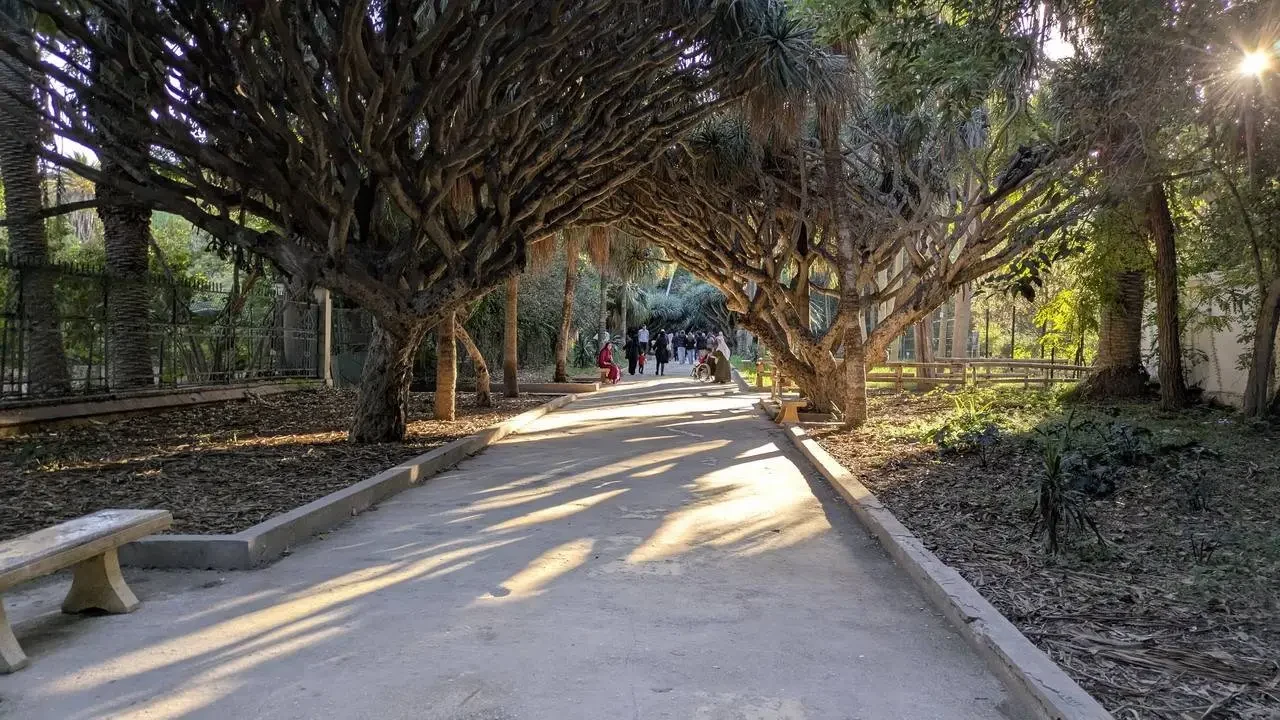
History joined to nature, once noon has passed, leads to much more earthly instincts, desires soon satisfied at a restaurant, also by the sea, serving delicious fish dishes. It is time to leave again and return to the capital to visit its many points of interest. We begin at the Jardin d'Essai du Hamma, created in the colonial era to conduct botanical studies in hot and tropical zones. Over time it became a place of relaxation, and today, being Friday, it is frequented by families, noisy children and groups of friends, separated by sex. We do not have much time, but walking briskly we manage to see, among other things, a series of giant ficus trees, including the Tarzan tree on which scenes from the famous television series were filmed, the pool edged with palms and the English garden.


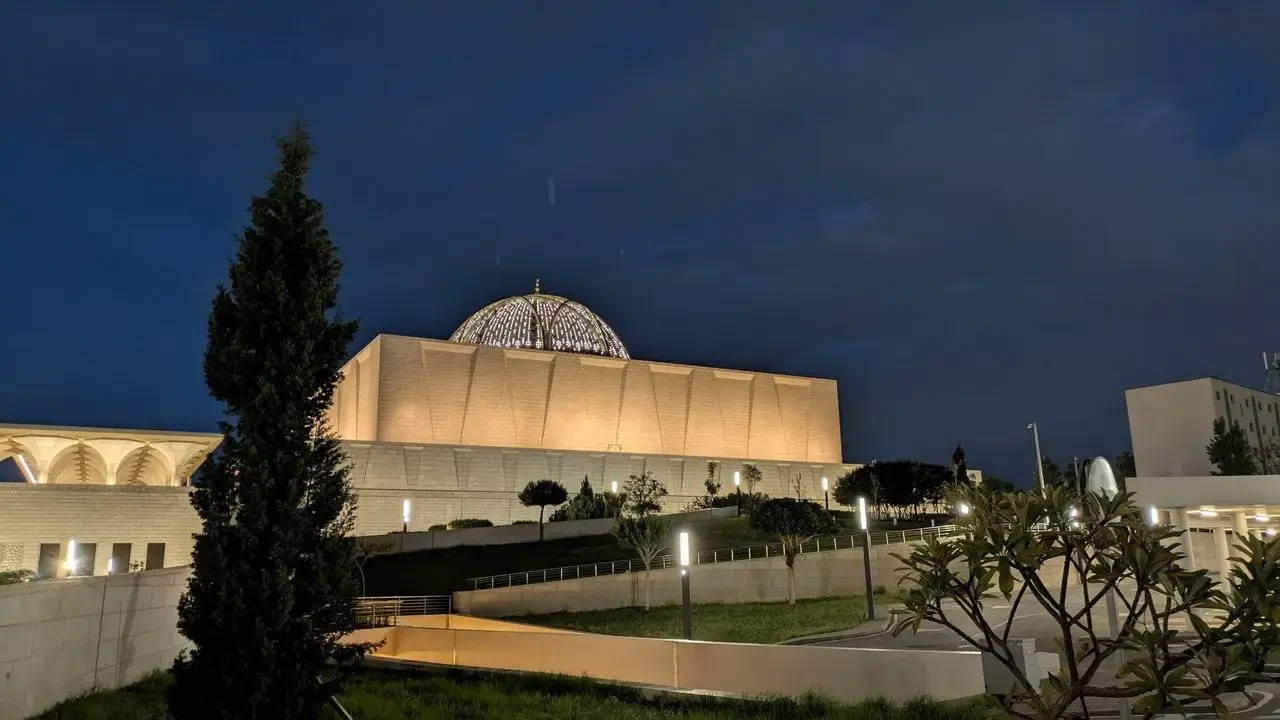
We set off for the Great Mosque of Algiers, Djamaa Al Djazair, a pharaonic work inaugurated only in February last year, built by a Chinese company and costing 1.5 billion euros. Algerians themselves seem not to have particularly appreciated the expense, seeing it more as an ostentation of power than a symbol of true faith, arguing that several hospitals could have been built with the same amount, certainly not an excellence in today's Algeria. But we do not believe the promoters intended to build it in order to delegate health matters to the Prophet. It is the third largest in the world by capacity, over an area of 200,000 square metres, while the minaret, at 265 metres, should be the tallest in the world, modern and square in plan in the most classic Algerian style. In the square in front, columns rise and open like palms at the ceiling, while marble-paved avenues surround the inner spaces. Foreign women have some difficulty entering because prayer is about to begin, but after some negotiation they receive permission, of course wearing veils and suitable clothing. Men have privileged access to the majestic prayer hall; shoes must be removed before entering, and then one stands before immensity, perhaps the first adjective intended by the builders to paraphrase the greatness of Allah. Starting from below, the carpet stretches like a sea from which geometric columns rise, then everything lights up at the sight of the huge chandeliers descending to bring light, physical and implicitly spiritual. At the far end the mihrab indicates Mecca, source of true light for Muslims. Women of course have a separate entrance and can enjoy only a partial view from above over the great hall. Several "hostesses" indicate where to sit for the service, in an area marked by the unlikely red-and-white tapes used for urban construction sites. Meanwhile the sun has set, the lights come on and in the courtyard it feels like being somewhere entirely different. The water features are illuminated, as is the dome. The complex is decidedly beautiful and much credit must be given to the architects who designed it. Everything can be said of it, except that it is intimate. It is now dark and worth visiting the Martyrs Memorial, Maqam Echahid, a monument remembering the fallen of the war of independence, located on the top of a hill, where its 100-metre-high concrete architecture depicts three palm leaves projecting upwards. Seen at this hour it is enhanced by spotlights recalling the colours of the Algerian flag.


Evening in Algiers
Back at the hotel, we take the chance for a walk towards the area of public buildings and the district with beautiful palaces bearing decorations typical of the French period, many of them well restored. We finally find ourselves in the heart of the city before the neo-Moorish Grande Poste, near which we have a frugal dinner, treated as honoured guests by waiters and customers. In this district too the lights tend to further enrich the architecture.