Day 6
Gyantse
The initial mountain stages, from Pelkor Chode to Gyantse and rural landscapes up to Shigatse.
From the Kambala Pass to Lake Yamdrok Tso
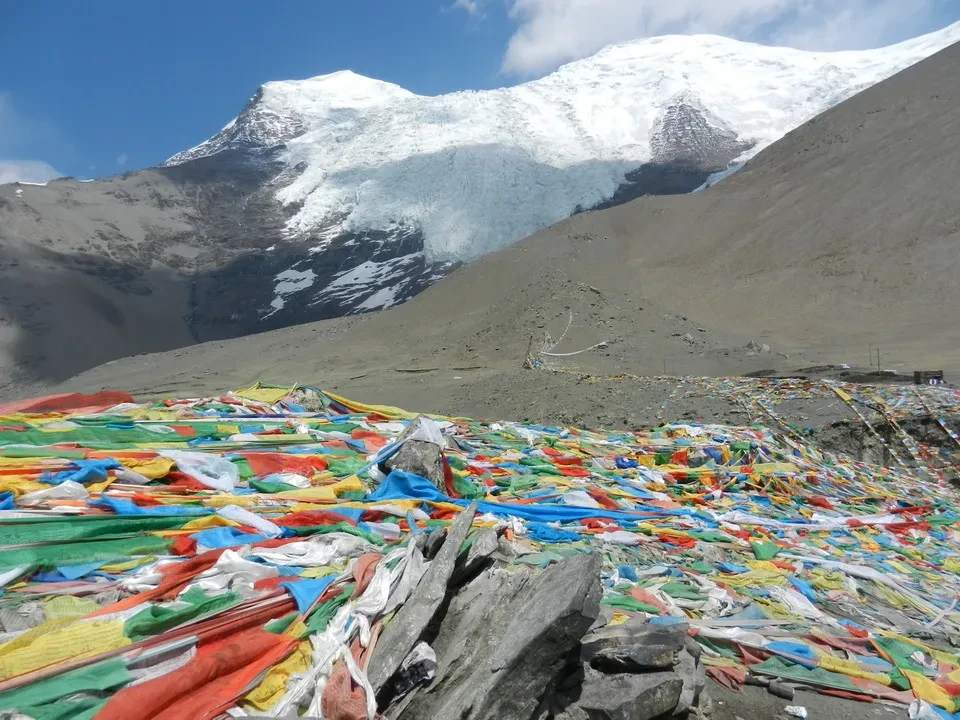
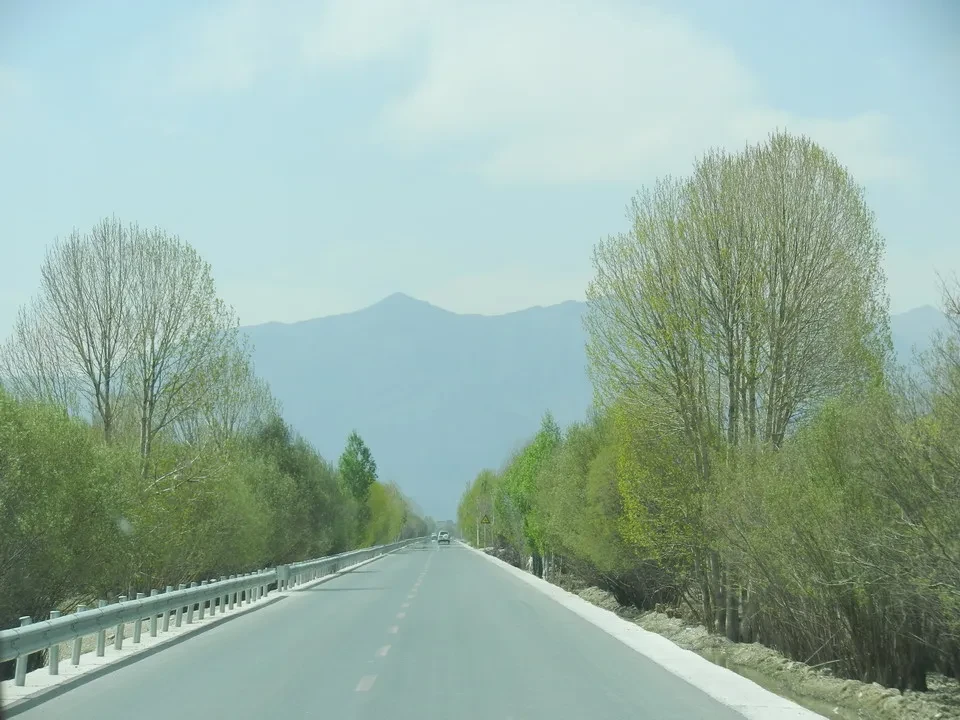
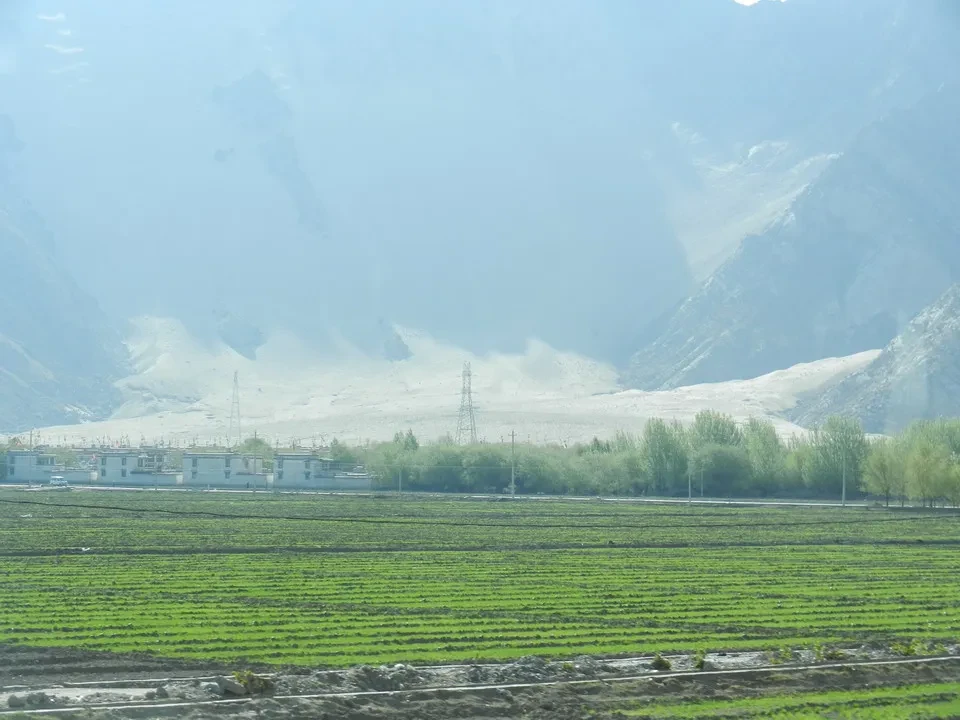
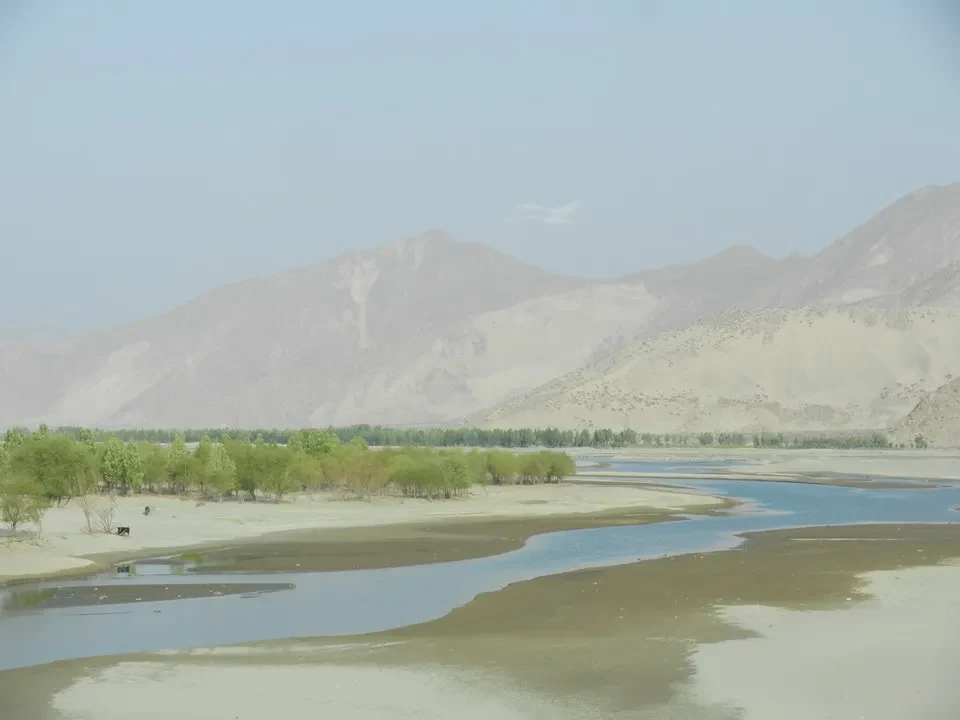
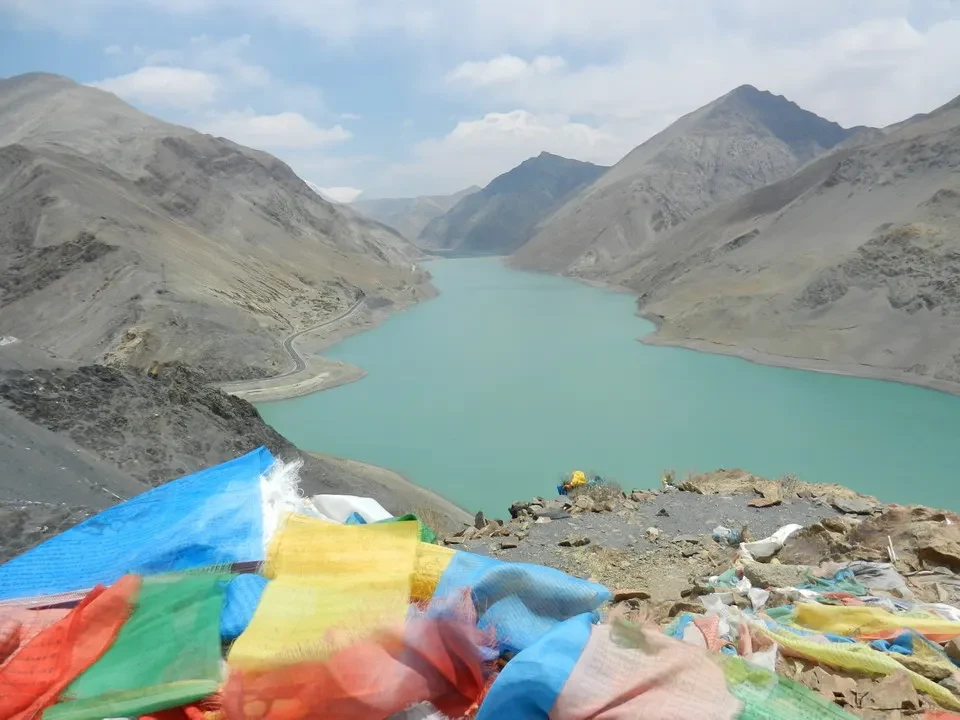
Departure at 8 am to Gyantse. Along the road We return to see the beautiful crops made of barley. This is the time when agriculture requires maximum effort: everyone is in the fields, most with animal-drawn carts, others with small tractors. Along the road, you can see painted ladders on the rocks to remember the deceased and help them ascend to heaven. A legacy from the previous Bön religion. Leaving the narrow, flat area bordering the Yarlung Tsangpo river, after a few kilometers, begins the dry area that climbs up up to Kambala Pass at an altitude of 4,794 meters, with a direct view of the Yamdrok Tso lake, known for its vibrant blue color and status as one of the four sacred lakes of Tibet. Afterwards, we ascend to... Karo-la Another step, located at an altitude of 5,039 meters, adorned with prayer flags and offering a backdrop of the glacier descending from Nojin Kangtsang, 7,138 meters.
Gyantse, the Kumbum and the road to Shigatse
Arriving at the bottom, we followed the Manlha Water Control Project, a huge dam that provides 20 MW of energy and allows the irrigation of 43,000 hectares of land. Between Lhasa and Gyantse there are only Tibetan settlements; the state pays 50% of the renovations, and in return the people must display the Chinese flag as a sign of gratitude and ensure a certain loyalty to the central authority. A way to request some participation in citizenship. At 11:30 we stop for lunch in Nagartse. Upon arriving in Gyantse, we visit the Pelkor Chöde In the early afternoon, while the Kumbum, the largest stupa in Tibet, is currently inaccessible due to ongoing renovations. There's a detailed six-year plan remaining, but it's clear that much of the work has already been completed. Unfortunately, nothing can restore it to the colors and vibrancy that Tucci saw when he visited the complex in 1937, but we can at least be satisfied that something is being done for the preservation of this wonderful Himalayan culture. Some pilgrims are walking among the monuments, but there isn't much human traffic. From Gyantse to Shigatse The distance is 90 km, with a speed limit of 50 km/h. We continue in the hope of reaching the local police station by 6 pm to register. This will be done tomorrow morning, and our guide will take care of it while we visit Tashilhunpo. Along the way, we stop to see an interesting stone mill hydraulically powered, while grinding the toasted barley to produce tsampa. Upon arriving in the second city of Tibet, there is time for a walk through the market streets and to get a first impression of daily life. Generally, we note that the city has become completely assimilated to any other Chinese settlement, with very little craftsmanship and almost everything coming from Chinese factories rather than local workshops. This is quite different from what happens in Nepal, where a flourishing local manufacturing industry supports the tourist's need for typical products. Dinner at a place where we are forced to wait a long time for our meals, but this is quickly forgiven as the food is very satisfying.