

Day 9
Gibraltar and Pueblos Blancos
A glimpse of the UK with palm trees, but especially the charm of the white villages in the green.
Tarifa, Gibraltar and the churros of the Strait
As always, while everyone else is still staying put, we set off; after passing through the Mirador for a view of the sea – the African coast is still shrouded in morning mist – we arrive at Tarifa for breakfast. A bar has a huge pot full of boiling oil that, fortunately, is not intended for customers as it was done in the distant past towards enemies – or perhaps it is, since a shaped tube releases a batter that, when falling into the oil, transforms into… delicious churros It will be a generous meal, perfectly digested with a walk around the center, surrounded by ancient walls and fortifications. There isn't much, but what there is is remarkable.
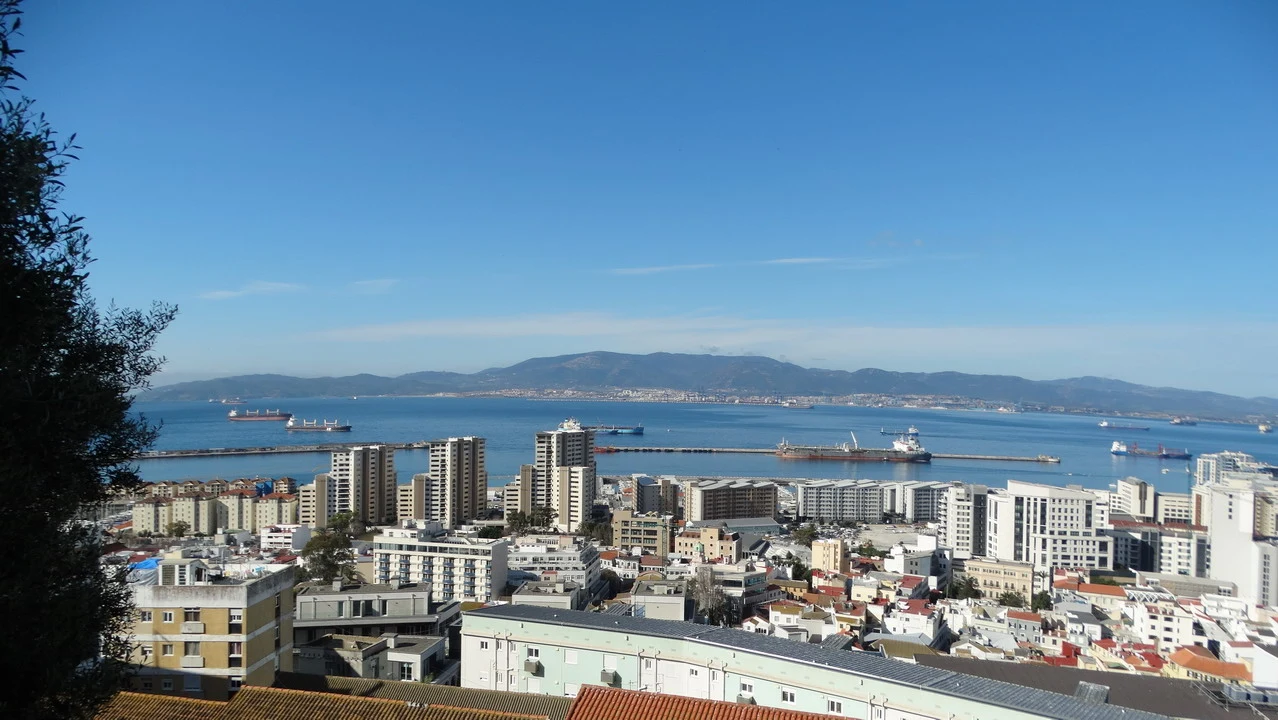
Another experience awaits us: visiting a piece of Britain with palm trees. Gibraltar It stands tall with its unforgettable rock, visible from a distance and just hidden by the buildings and construction sites of Algeciras right before. We leave the car in one of the many parking lots in La Línea de la Concepción, just before the border – there is a long queue of vehicles, a special insurance would be required, and we don't consider it convenient. We then enter through the pedestrian crossing by showing our passports to the Spanish and British uniformed officers, immediately finding ourselves in the United Kingdom. The first interesting fact comes from the fact that as soon as we leave the border offices we have to walk across the runway of the airport, paying attention to avoid aircraft arriving. In reality, there is a service with traffic lights and checks to prevent such things from happening, but crossing the landing surface of a stopover in this way is already something. Having safely arrived on the other side – and discovering with interest that the road signs are the same as those in continental Europe – we immediately notice the mailboxes and the telephone booth In a typical British style. We climb the steep streets until we reach a permanent checkpoint near the Moorish Castle, managed by military personnel, which presents us with a choice: return or pay the ticket to access the top of the fortress. Since we hadn't included Gibraltar as one of the highlights of our trip, we decide to return and walk through the central streets, experiencing a mix of faces, languages, and architecture ranging from British to Spanish to North African. We try to understand the soul of this quasi-state city – a place of encounters that are not always clear, a strategic point during many wars, and still an essential center for observing what happens at the entrance to the Mediterranean: essentially, a well-staffed reception desk. By midday, we realize that the schedule is still packed and we need to visit the white villages in the interior. There are over 100 kilometers to cover along a beautiful road that eventually gives way to a narrow, winding track designed to accommodate every aspect of the mountain. We finally find a picnic area where we refuel with excellent cans of sardines, jamón, and Cruzcampo beer – all local products.
The Sierra de Grazalema and the white villages in the afternoon.
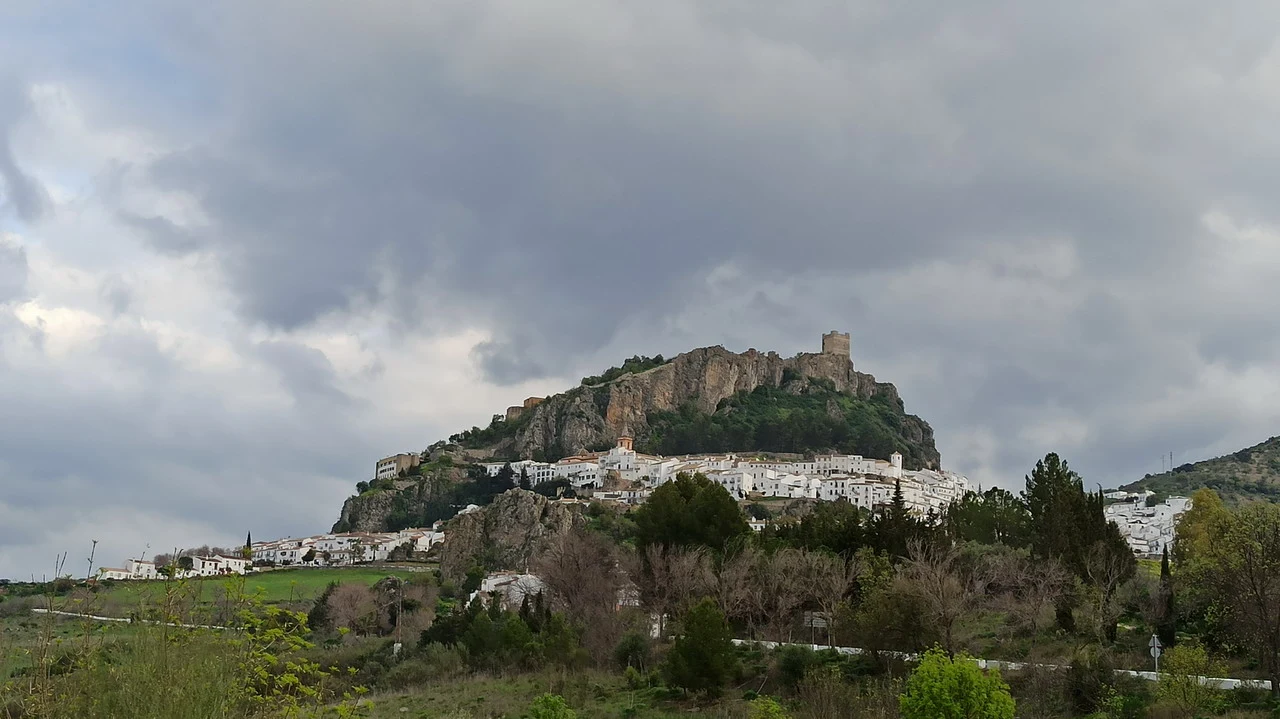
As we enter the Sierra de Grazalema, we encounter several trees with their bark stripped down to about 2 meters in height. They are cork oak, present in vast areas, especially in the higher and northern regions – essentially where olive trees don't thrive. We find the first and only yellow gorse here: elsewhere in Andalusia, they will be common but all white. The rocks are typical limestone, forming deep gullies, although not very long. Many sheep grazing in pastures where grass grows naturally; in the plains, green meadows shine. Úbrique Lies peacefully on a Sunday afternoon, even though many of its residents are still enjoying drinks outdoors at restaurants. The paved streets offer beautiful views everywhere, while the white houses contrast with the clouds that sometimes reach a dark grey hue. Grazalema It attracts attention with its themed murals that provide excellent information about local history and culture; here too, there are viewpoints, as well as several hikers returning from a walk in the surrounding low mountains. The next one is Zahara... with its beautiful artificial lake, located sheltered by a rock that seems almost to be hiding or protecting itself from the wind. We climb and drive through the narrow and steep streets, comforted by the example of some local drivers. Here we are at Olvera, with the castle and church of La Encarnación — the surrounding area is also very beautiful, with olive groves. The sun is setting amidst a mix of clouds, but this makes it even more charming: it's a dream destination, although we are in a hurry. We walk quickly, but with our eyes open; everywhere there is something worth seeing, such as a white wall from which hang a series of colorful geraniums planted in a colorful pot of their own. From the viewpoints, you can see an expanse of red tiles and white walls – a mosaic with tiles of rare beauty; the sunset light At some point, the clouds suddenly appear and cast a curtain of various shades of red. We had decided to skip a couple of villages due to time constraints, but they are so fascinating that we decide to see them anyway, even if it means arriving in Ronda at night. Once night has fallen, we are forced to head towards the hotel, located in one of the most interesting villages — Ronda — which we will dedicate to our evening visit. Dinner at a typical and quite upscale restaurant, frequented by the local upper class on Saturday evenings. A short walk afterwards in a... historic center Well renovated and quiet, although the refreshing coolness suggests we shouldn't linger too long – a good rest will help us recover from the stress accumulated during a busy and satisfying day, especially in the afternoon.


