Day 4
The heart of the Dolomites
The UNESCO World Heritage site, with its stunning Dolomite scenery.
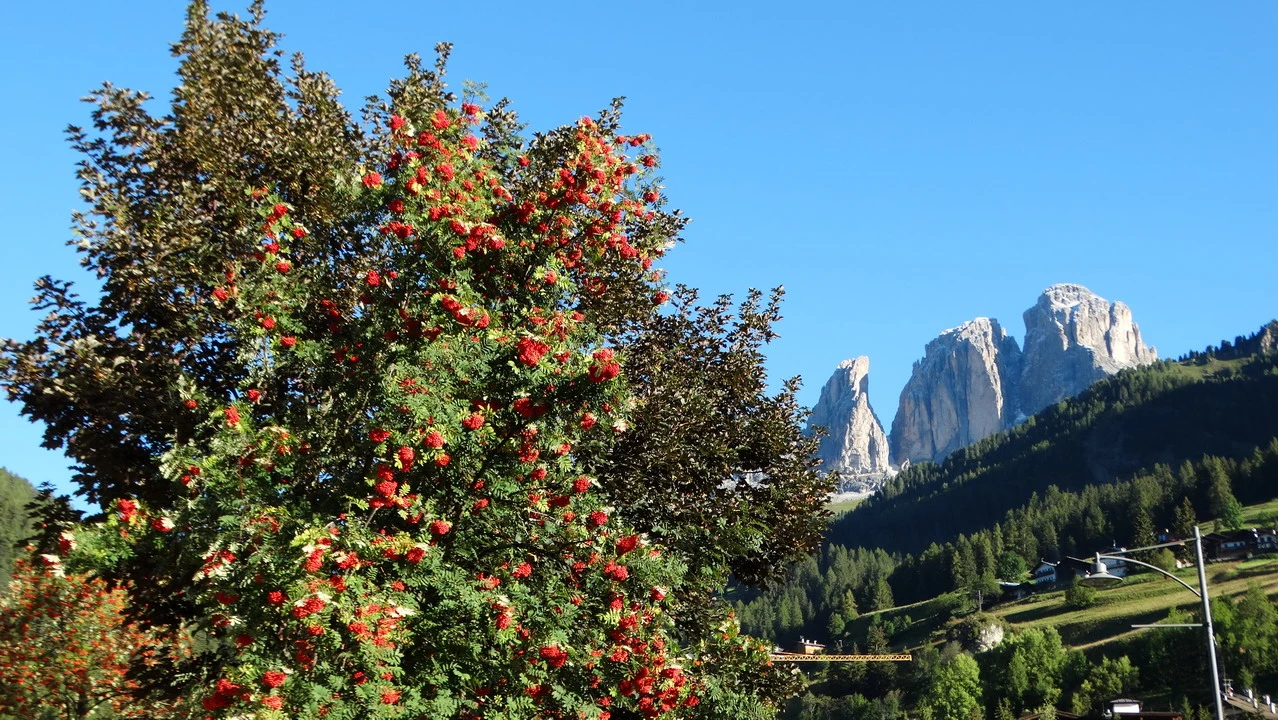
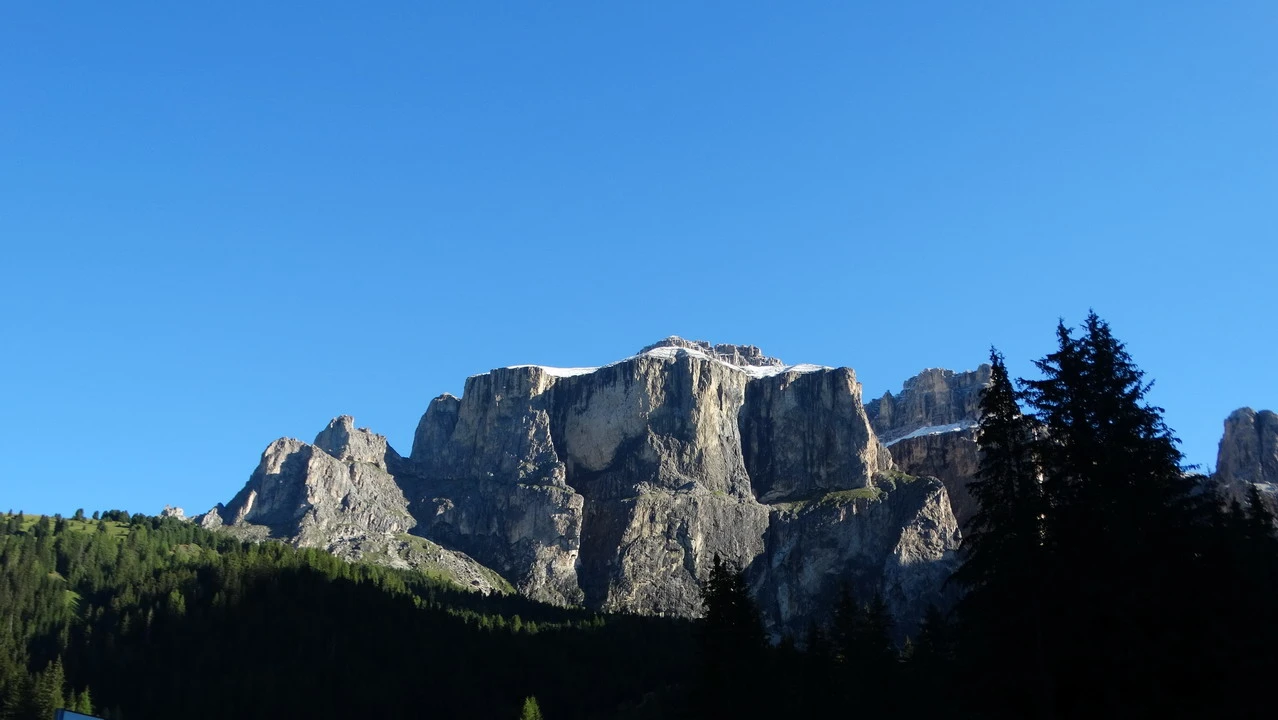
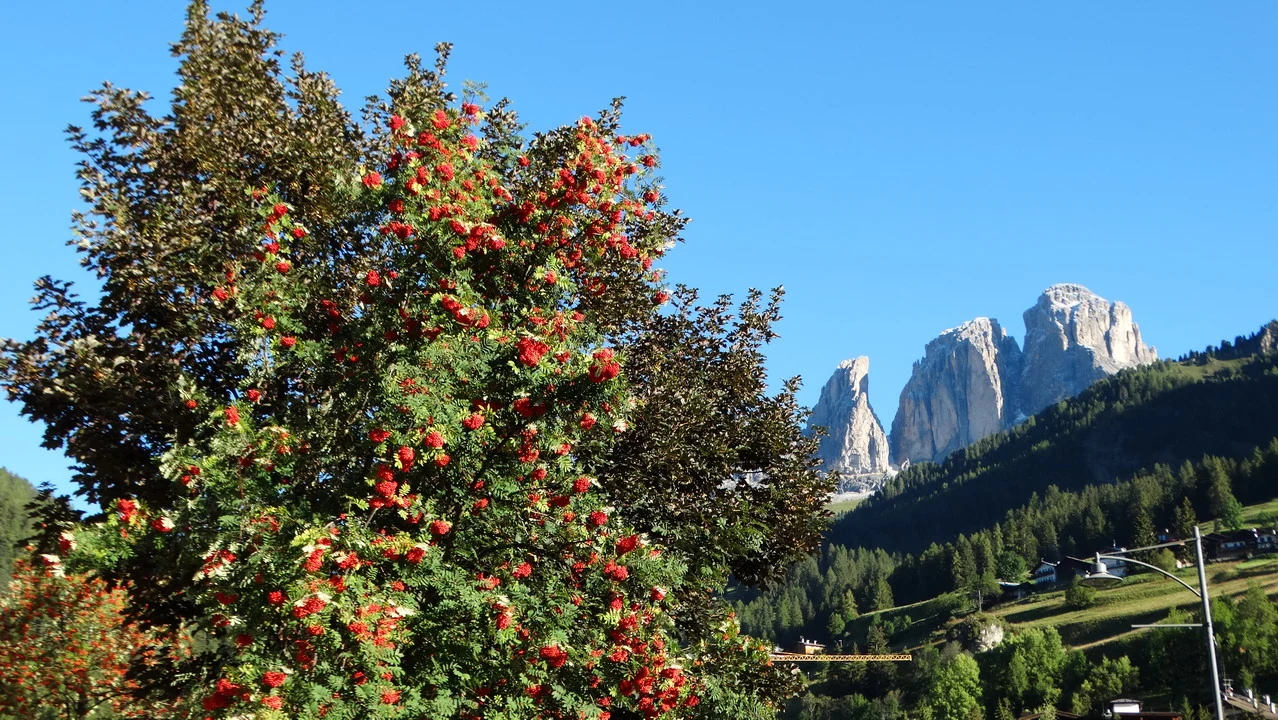
The sky is clear and consequently, the day is cool. The famous and magical Dolomite peaks (particularly the Catinaccio) are a sight to behold. Scillare) begin to sparkle under the first sun, with a dusting of snow making them even more beautiful.
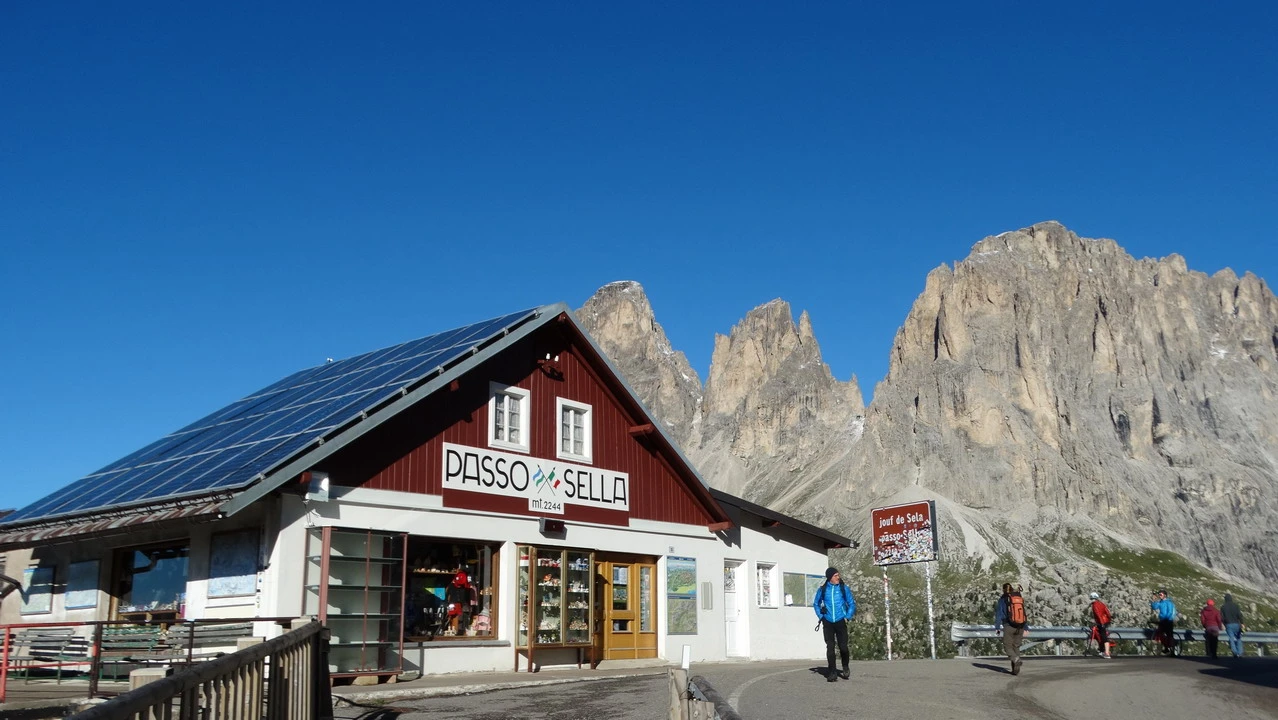
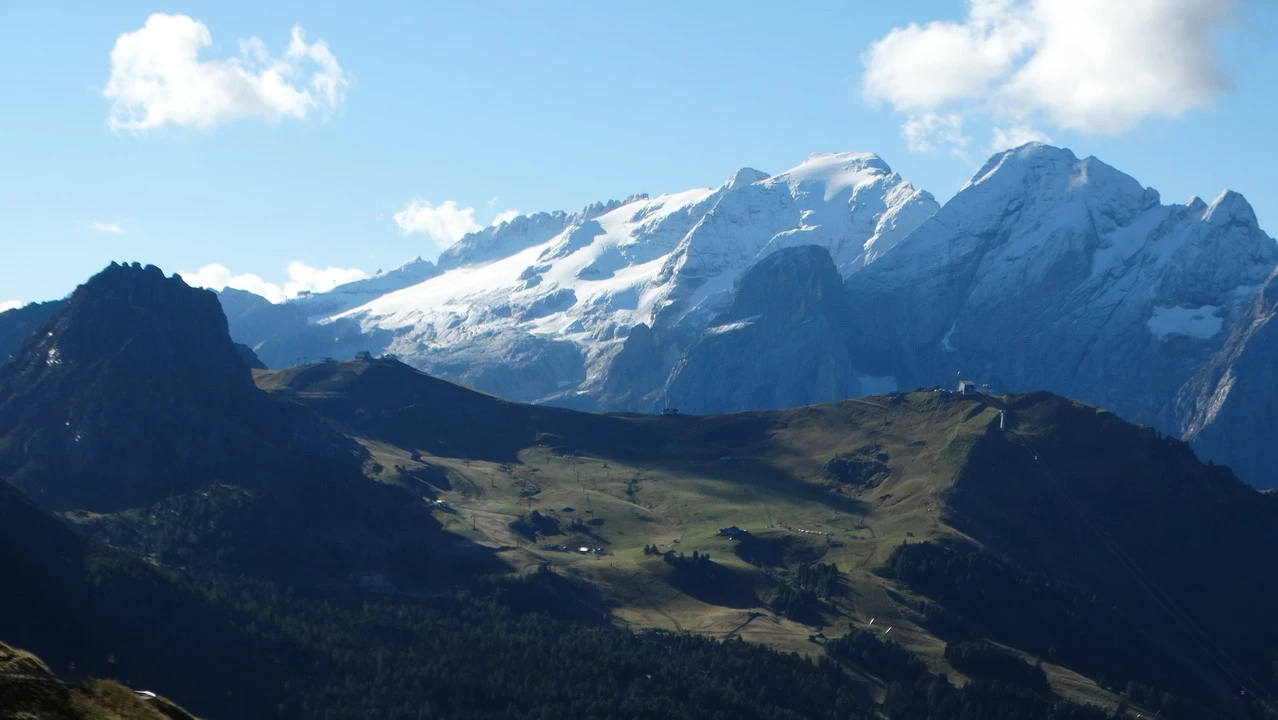
Today, we should take advantage of the nice weather and intensify our visits. Let's go straight to the Passo Sella, located between the Sassolungo and the Sella group, with the Marmolada Not far south. The temperature is around 4 degrees Celsius, but the landscape is one that warms you up. We'll retrace our steps back to Canazei along the same road, but
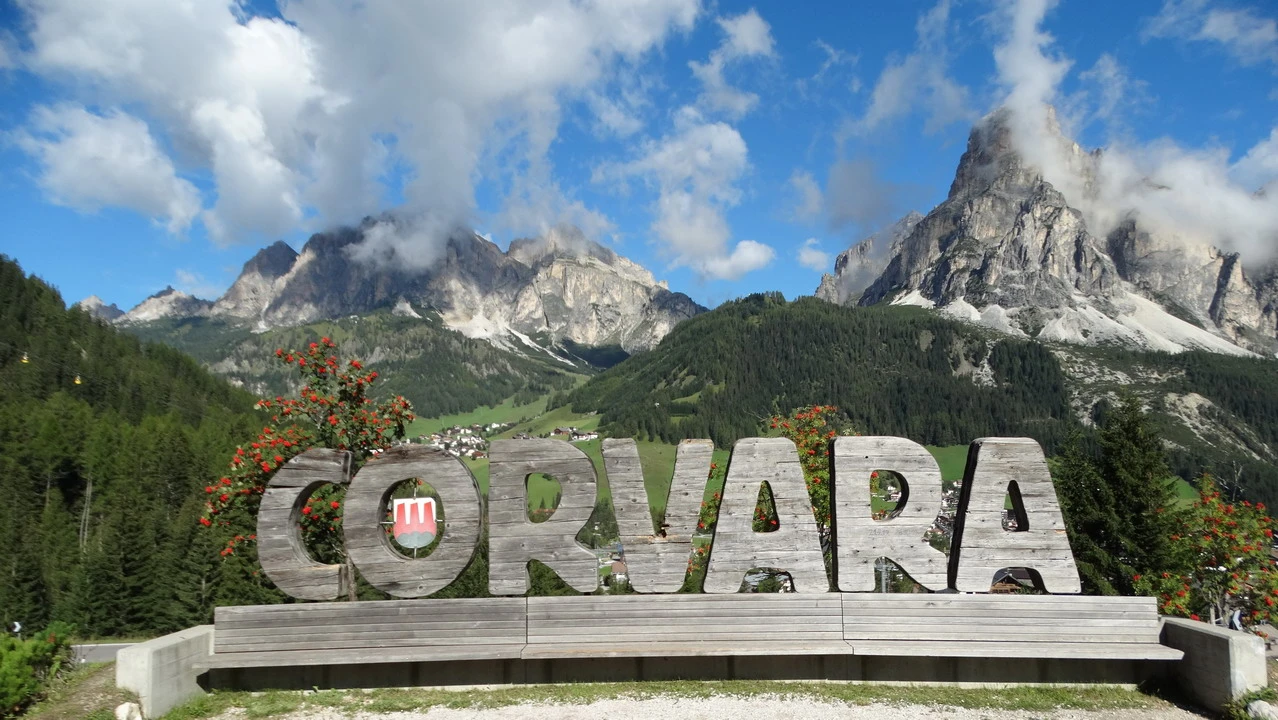
this time we are going to Passo Pordoi at 2250 mt. Similarly, the Tonale area isn't very appealing, with all the ski lifts everywhere; only the view of Sella is truly noteworthy. We descend on a narrow road to the anonymous Arabba, then ascend to Passo di Campolongo and continue down to... Corvara, from which the Val Gardena and Val Badia valleys depart, both home to large slopes for men's downhill skiing. After taking a couple of photos of the green and ochre-colored mountains, we head towards the second path in a northerly direction. The first part is narrow, located in a valley that isn't particularly remarkable compared to what we have seen so far, but then opens up into meadows with steep slopes where skilled farmers equipped with appropriate machinery and spiked wheels cut the grass under extreme conditions. It is a purely agricultural area, with beautiful wooden houses; everything in a sparkling setting. We stop at the
I took Passo Furcia to quickly reach the top on foot at Plan de Corones with minimal equipment. There's the world here, with cable cars reaching from San Vigilio di Marebbe and Brunico, but we are simply amazed by seeing a couple of yaks which make for excellent subjects in the background mountains. The entire organization, based in Trentino, offers tourists various ways to spend their time: from the two downhill slopes for mountain biking, to the hiking trail, or even cable car transport for those who are not very sporty. There's something for everyone. Even for those who want to visit a museum, on the large square that defines its "tip", you can find one of MMM Museum, inaugurated around 2016 and featuring a decidedly modern tunnel-like architecture, although partially integrated into the ground. Some panels draw attention to... hamlets halfway down the valley... along the steep slope, and highlight the challenges of life in the past, as well as the essential collaboration between neighbors during winter when they were isolated for entire weeks, as if they were a single large family. Quick descent, we take the car and stop to eat the Trentingrana cheese purchased yesterday, sitting on a scenic bench. Stunningly situated amidst lush greenery. at the foot of the valley. At this point we are in Val Pusteria, where the main road leads to Dobbiaco, now close to the Austrian border. But before reaching the valley's capital...
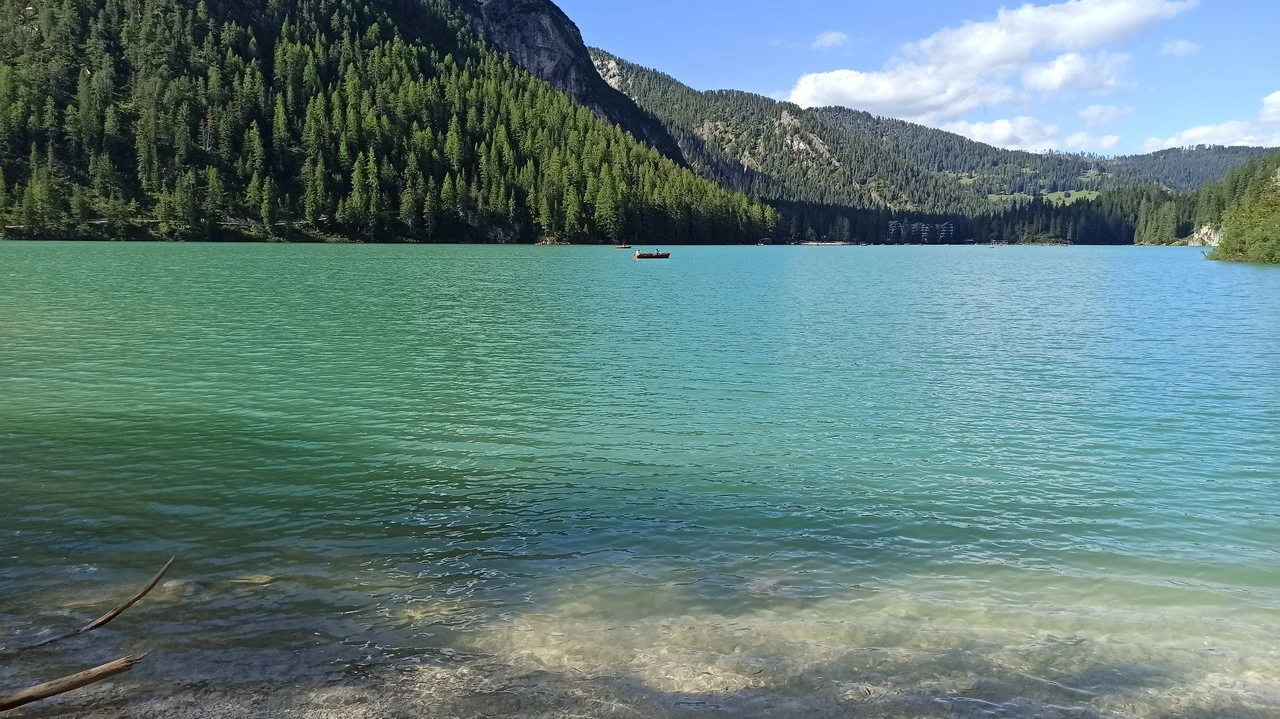
Let's dedicate a couple of hours to visiting the Lake of Brajes. Due to the high number of visitors, access for cars is prohibited from 10:00 to 15:00; shuttle buses are available, but it's 14:30. We consider Brajes a must-see destination and we wait for half an hour to cover the last 5 km of road. The parking fee is quite high (€6), but the view is worth it. Here too, the Dolomite mountains double their impact by projecting themselves onto the water, while a pine border surrounds the mirror. The perimeter walk takes about an hour, but it's slow at first due to the crowds. I couldn't ensure social distancing at least one meter, a mask is required; this rule is respected at least on the most congested section.
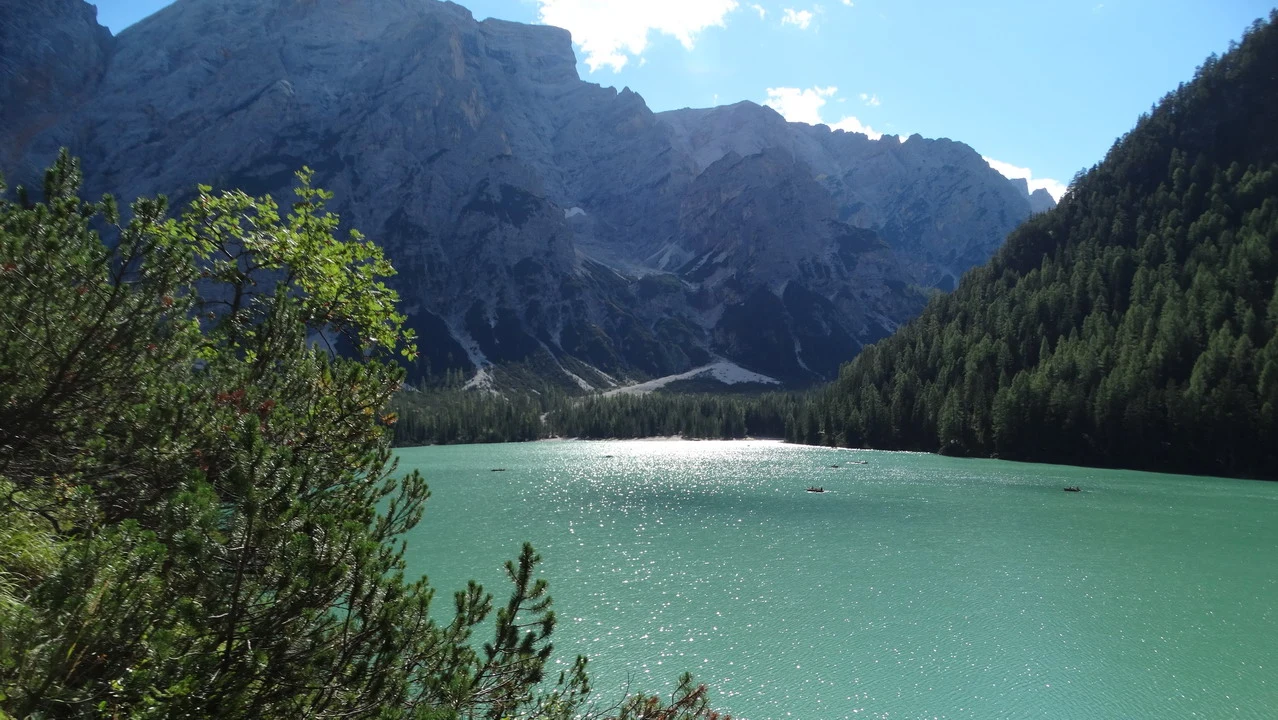
Every corner offers a stunning view: the water doesn't have the emerald color of Carezza; we could say it has a "satin-like" green tone, therefore less transparent. We return to the parking lot, heading for Dobbiaco and State Road 51 south, which winds through sunlit forests until arriving at the
deviation that leads to Misurina The colors here are unforgettable: we only have time for a couple of photos, as the road is still quite long today. With Auronzo (where Lazio's training camp is located), we are now in Cadore, with other beautiful mountains that are taking on increasingly reddish tones, although it is less touristy and there are fewer foreign license plates. At some point, we turn onto a narrow state highway heading east to cross the virtual border with Friuli and reach...
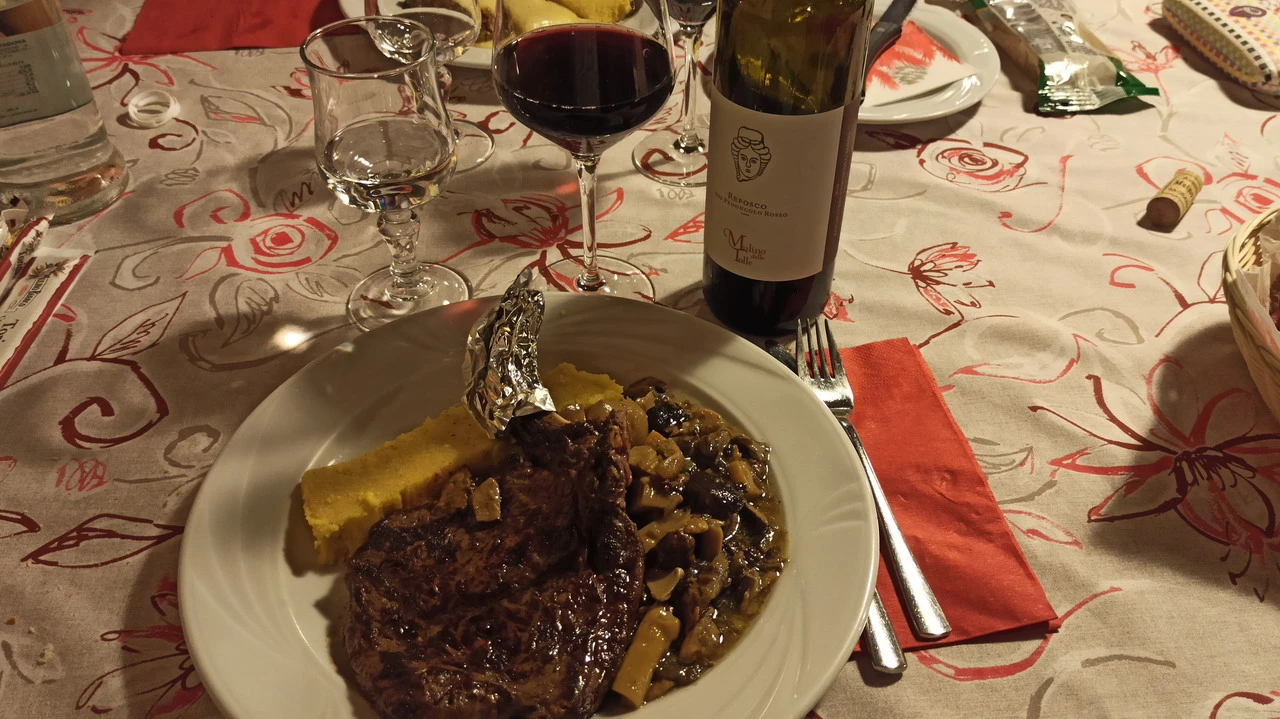
Forni di Sopra, where our hotel is located. The area seems very wild; the hotel itself is in a somewhat touristy location near the Tagliamento River, at this point still more of a small stream: you need to cross a bridge and return 800 meters back into an area where there are no other buildings. The surroundings are simple but the many guests suggest it's very popular. The kitchen (smoked Sauris ham, cured meats, ragout...) venison steak) and the wine (Refosco) are more than up to par, exceeding what the exterior view suggests. The name of the hotel, Nouitas, is intriguing, and we ask the friendly manager for clarification, who admits that the local place names have not reached us: it seems that they are due to the names of the canals used to lower logs, which continued via floating on the Tagliamento River. Life must have been difficult in this area, and this seems to have influenced the character of the people: friendly and welcoming but also reserved, almost as if their current attitude reflects the daily struggles of previous generations. One might think that the harshness of the mountains has also shaped human character. A peaceful night's sleep is guaranteed with the help of Refosco and Semifreddo al Bombardino.