Day 1
Lake Iseos and Livigno
Almost an Italian exclave in Switzerland, boasting exceptional natural beauty.
The Italian rule that considers spending two weeks camping alone in Africa more dangerous than having barbecues at home with family and friends during the August holidays is certainly perplexing, but this year's plans must be extended by 12 months due to the impossibility of traveling for tourism outside Europe. The rule seems specifically designed to force people to take vacations in Italy, and these restrictions feel a bit too tight from any direction. The weather over the next few days promises variability, so we are creating a basic plan with the intention of refining it every 24 hours based on forecasts, planning the route and accommodation accordingly. This will result in a challenging but above expectations trip, in which we have managed to combine tourist, hiking, and meteorological needs, even with an unplanned organization as usual. The mountains outside Piedmont have always been interesting, but our main focus remains the Western Alps. However, a horse ride from Lombardy to Friuli had never been considered, and it would take something like the Covid pandemic with all its fears and restrictions to make us consider this interesting alternative plan, which has certainly delivered results.
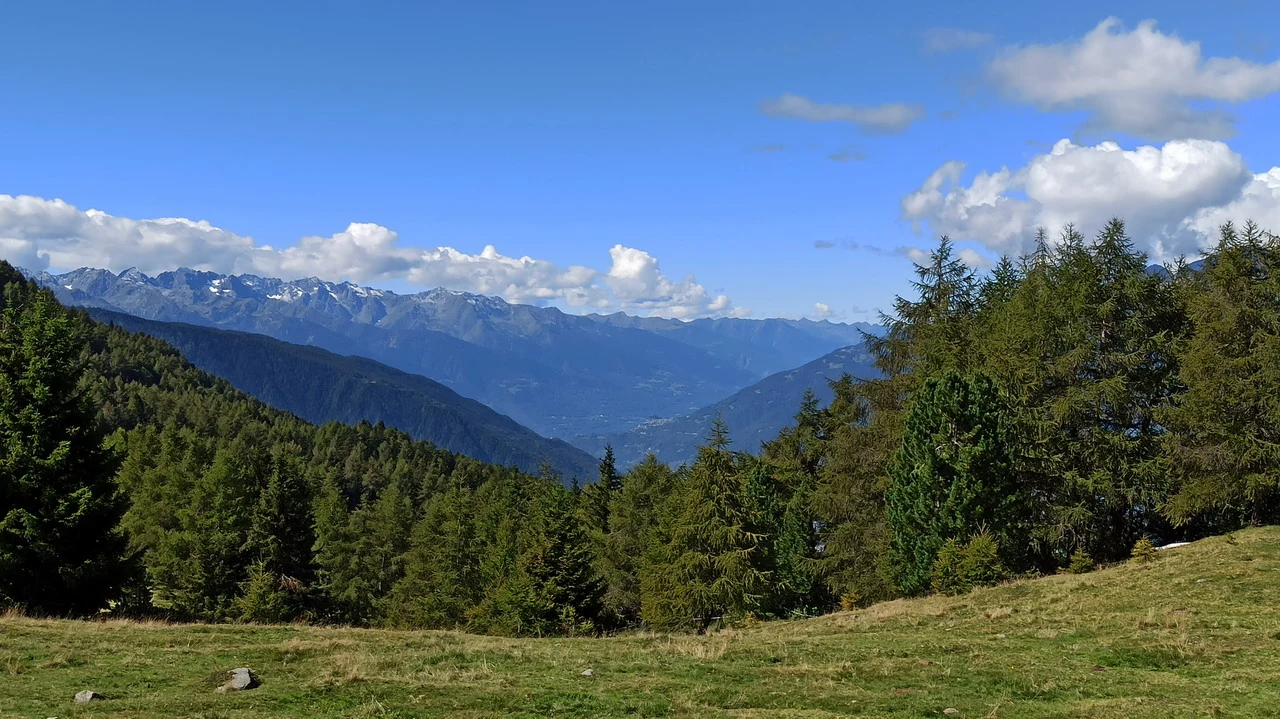
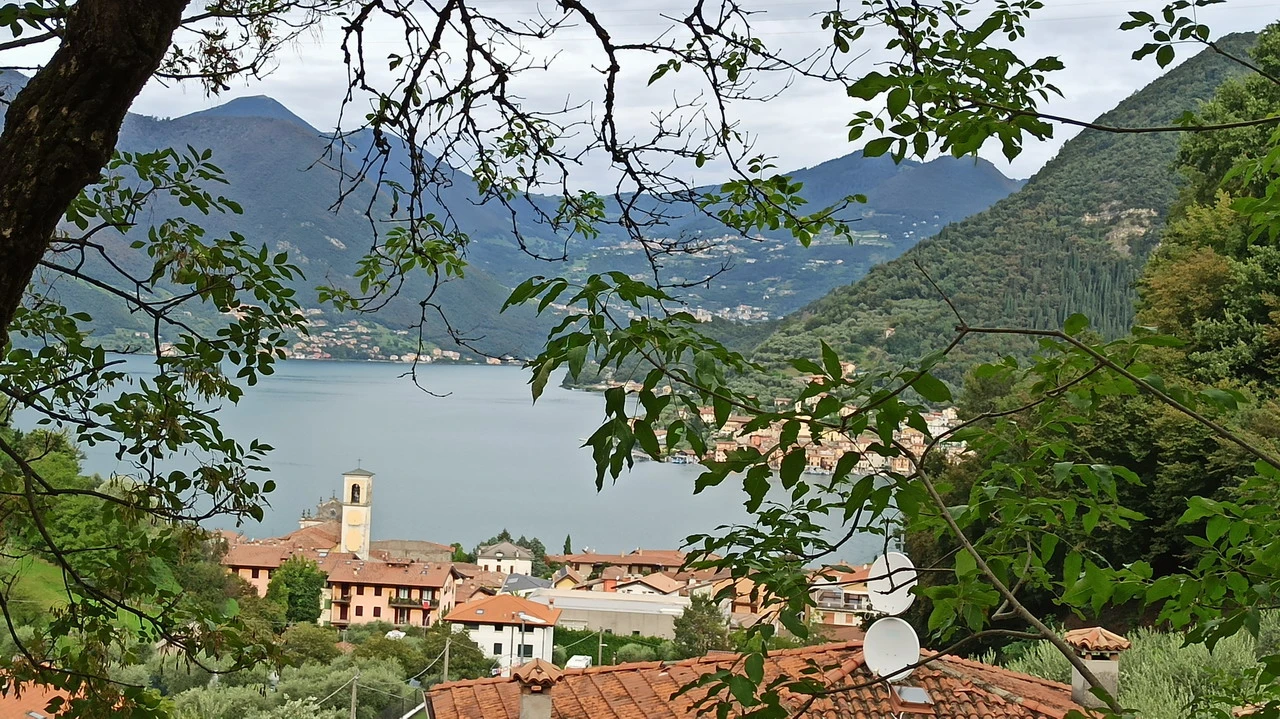
We set off on Monday morning under a gloomy sky, with our first stop being the Lake Iseos The water, of course, reflects the sky, and we can see a double grey layer above and below us, imagining how beautiful it would look if illuminated by the sun. The whole scene still has a nostalgic charm, just like a black and white photo.
With an endless series of galleries, we travel through the Val Camonica to Edolo, then climb over the Aprica pass and continue through long tunnels to reach Bormio: still cloudy skies but lush green meadows.
At this point, we head west to cross over the Foscagno Pass, passing through customs and arriving at Livigno (1850 meters).
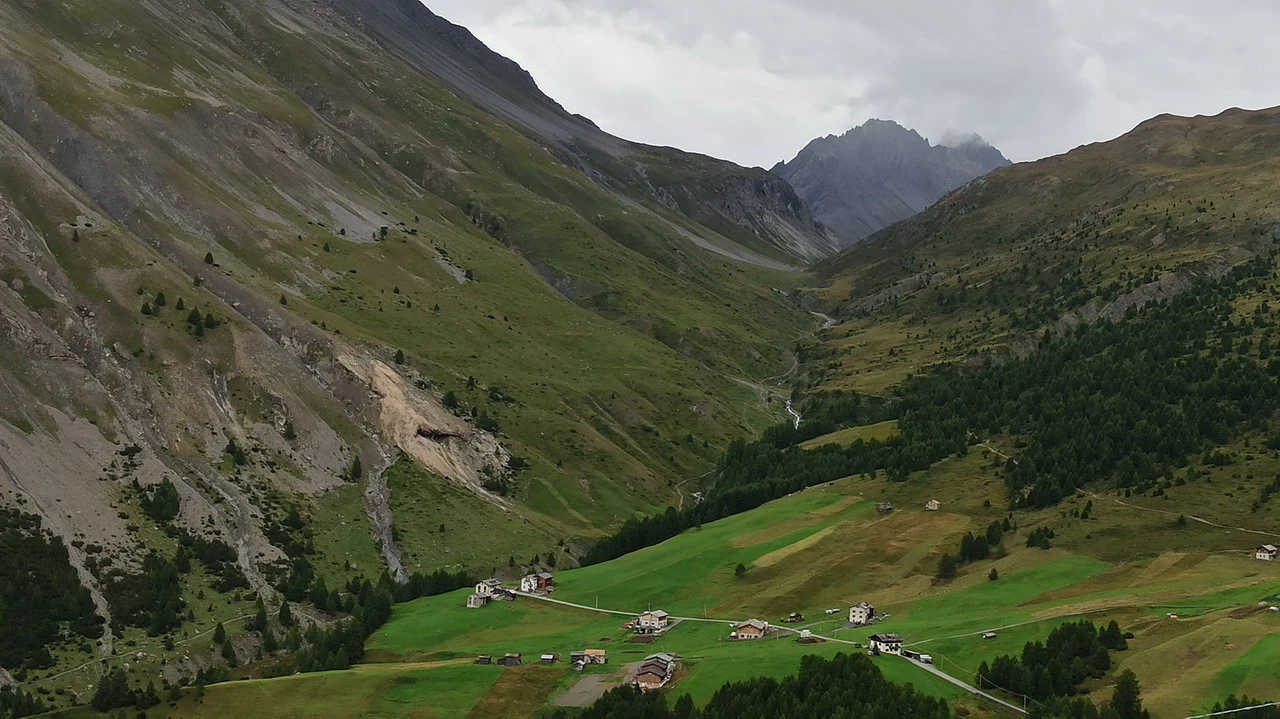
Here we check in at the hotel, which is located near the center, and prepare for a walk around town. Unlike many other... mountain area Livigno offers a center that combines historical mountain charm with modern commercial needs. Old buildings house sports shops or souvenir stores, while local homes and some dilapidated houses are also found in the city center. This is something to be viewed positively, as real estate speculation has not yet taken over the entire town. In fact, even the surrounding areas do not feature the Soviet-style buildings that characterize other mountain resorts: we could describe it as a present well integrated into the architecture of the past. On the other hand, there are many shops dedicated to activities typical of the area, such as the production and sale of the famous bresaola. We buy our liter of alcohol (more is not allowed) and go for a walk along the dirt road that borders the right bank of the lake, reaching the rest stop located a couple of kilometers from the starting point. As we walk, it starts to rain and umbrellas become very useful; this lake in its grey version also has its charm, but nothing comparable to what we would have admired with the sun. And above all, there wouldn't be just 6°C with freezing wind. For dinner, we decide to move away from Livigno and go to a restaurant located on the opposite side of the lake, where the road runs narrow in a series of tunnels towards the Swiss border between the mountain and the shore. When the GPS tells us that we have finally arrived, we continue to see water on the right and rock on the left, except that in a small alcove carved out of the mountain, a house suddenly appears which can only be our destination. It is very simple, almost modest, except for the excellence of the cuisine and the typicality of the dishes and the owner. We then try the skiat(fried cheese balls in batter), venison stew and steak with berries, all perfectly complemented by a polenta ball. The warm berry ice cream represents the perfect end to a good dinner. Along the way, everything is very quiet because the Gallo tunnel will remain closed until early December for height increase works; therefore, this section is like a dead-end street, closed right next to the restaurant. Talking to the managers, they confirm the presence of many animals, which are commonly seen in the morning on the road along the lake (a herd of deer will appear just as we return) and the appearance of a first wolf; it's not known whether this is an isolated case or the aftermath of a first pack. On the bar counter of the restaurant, carved roses are intriguing, which we thought were typical of Occitan culture, but they seem to relate to the entire Alps; they tell us that they are made by an increasingly smaller number of artisans, who pass down the tradition from father to son. It's interesting to note the location of Livigno, a true enclave that slopes towards Switzerland; the same stream flows into the lake in a northerly direction, so we should expect its waters to eventually flow into the Rhône and then into the Mediterranean, unlike the other northern Italian rivers which instead flow into the Adriatic. From Livigno, you can bring certain goods tax-free, such as 1 liter of strong alcohol or liqueur, one type of amaro, tobacco, and up to €300 worth of other goods; there are not many checks on these, but neither are there great advantages.