Day 4
White Mountain
White Mountain National Forest: drive to the summit of Mount Washington, along the Kancamagus Highway and through Bretton Woods.
Museums and memory at Mt
Apparently, one never wakes up too early. After leaving around 6:30 am, we went to have breakfast at a small, vintage-style café run by two young women. The atmosphere is like that of a Parisian café mixed with an old American establishment; it's fascinating and takes about half an hour just to explore. The two owners seem to be focused on pacifist/environmental ideals, but it's easy to have a conversation while respecting everyone's views. We returned to... motel and we quickly got along with Kevin, Ruth's friendly husband who manages the property and its attached boutique. Our friend offered us a series of helpful tips and information for the rest of our trip in a very engaging way: although we didn't need it, his enthusiasm sparked even more curiosity in us for the days to come. Kevin then talked about the differences between the people from Maine: those who are "locals" come from the British Isles and are therefore very strict and Calvinistic (in a religious sense). Those who come from the Boston area usually have Italian or Irish origins, so they tend to have a less rigid view of life: greater openness combined with a more hedonistic attitude.
Arrival at Mt
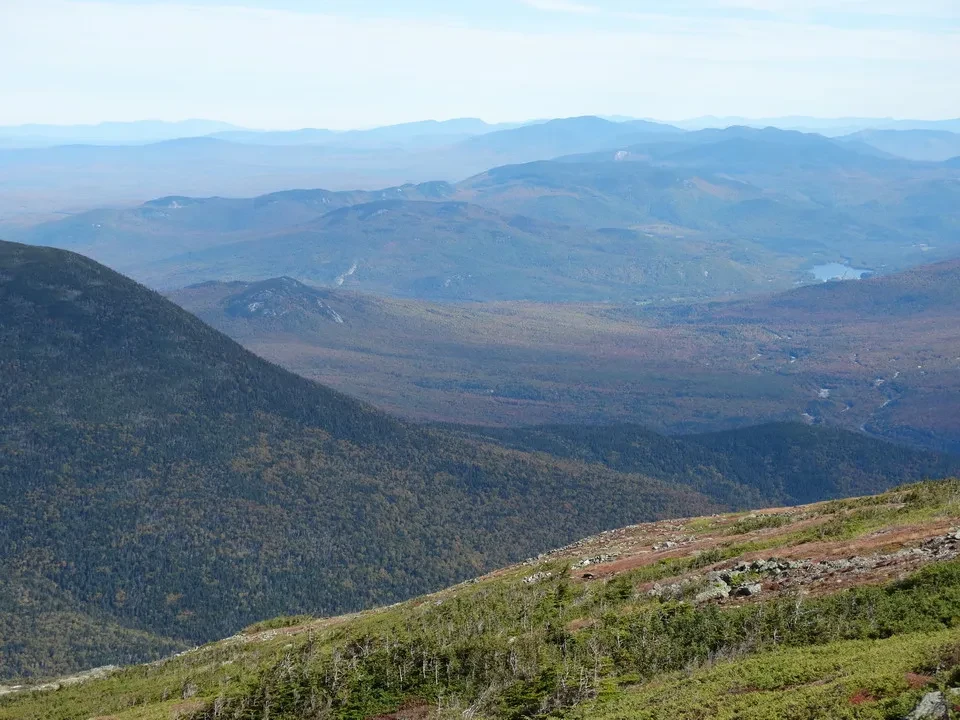
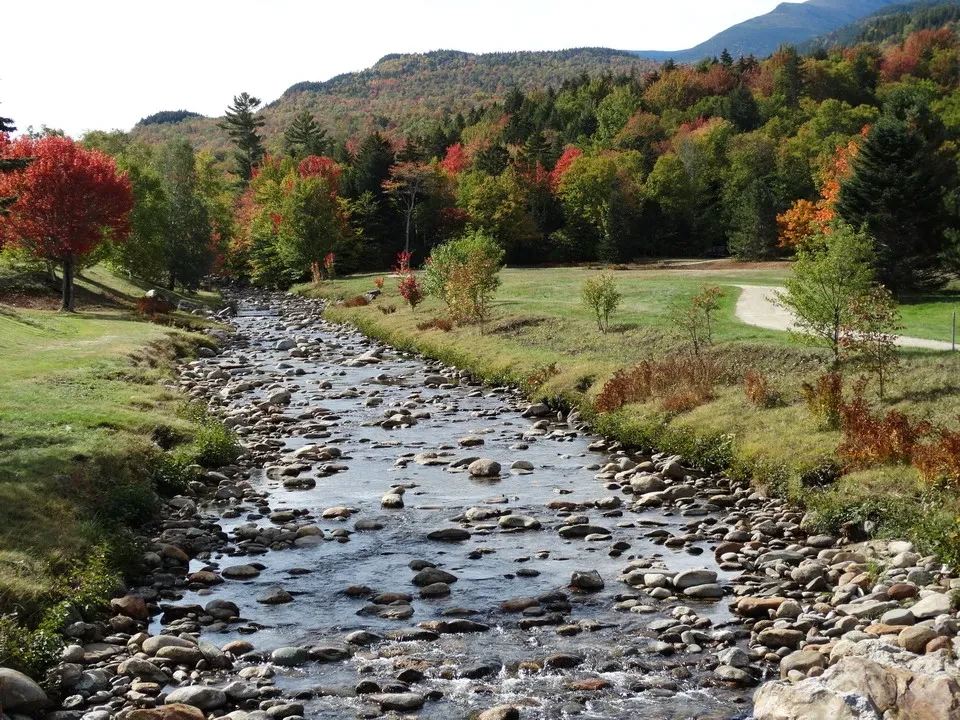
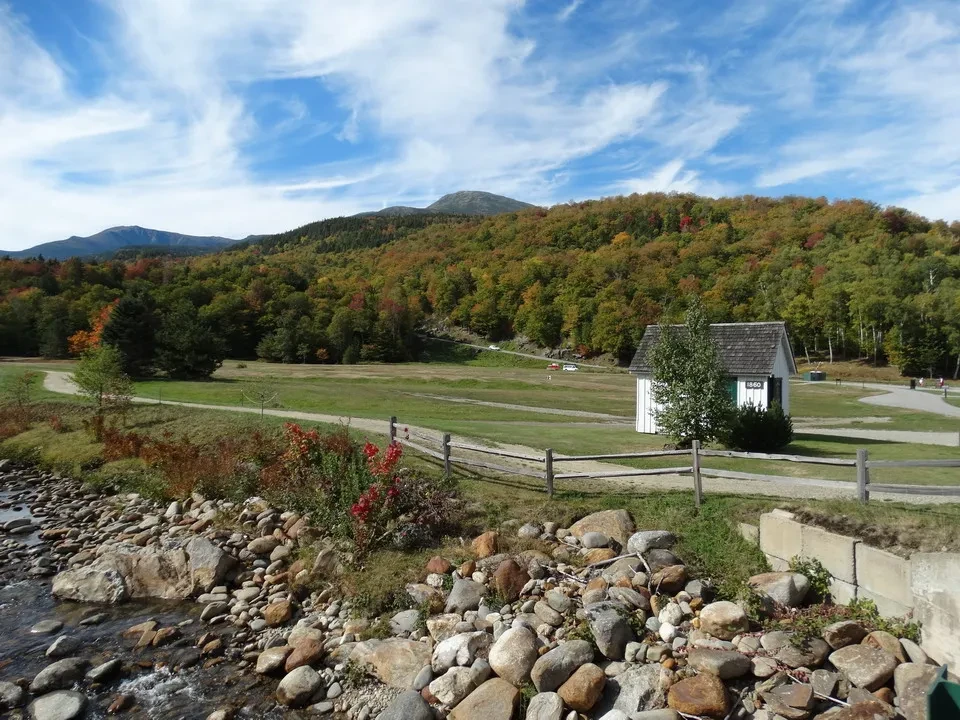
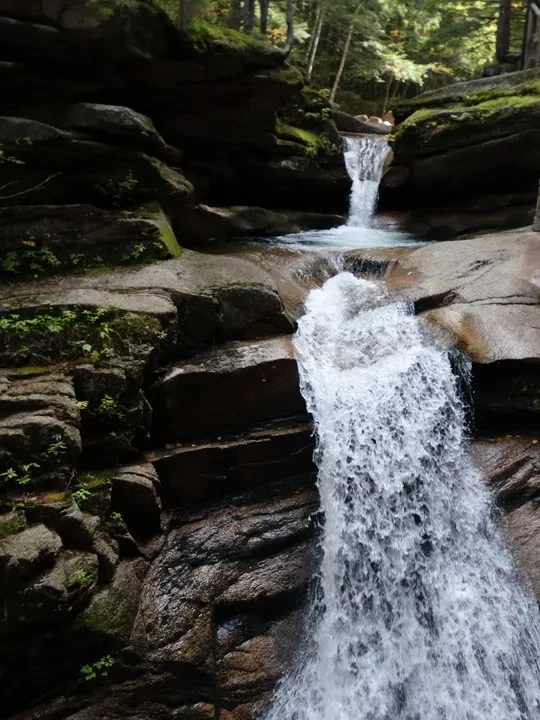
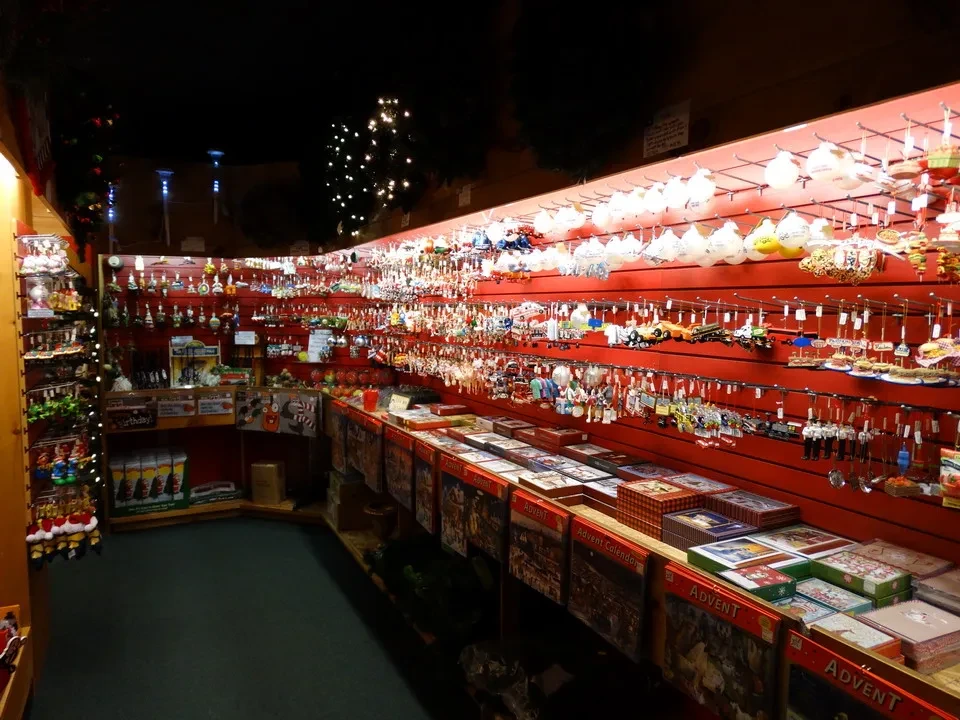
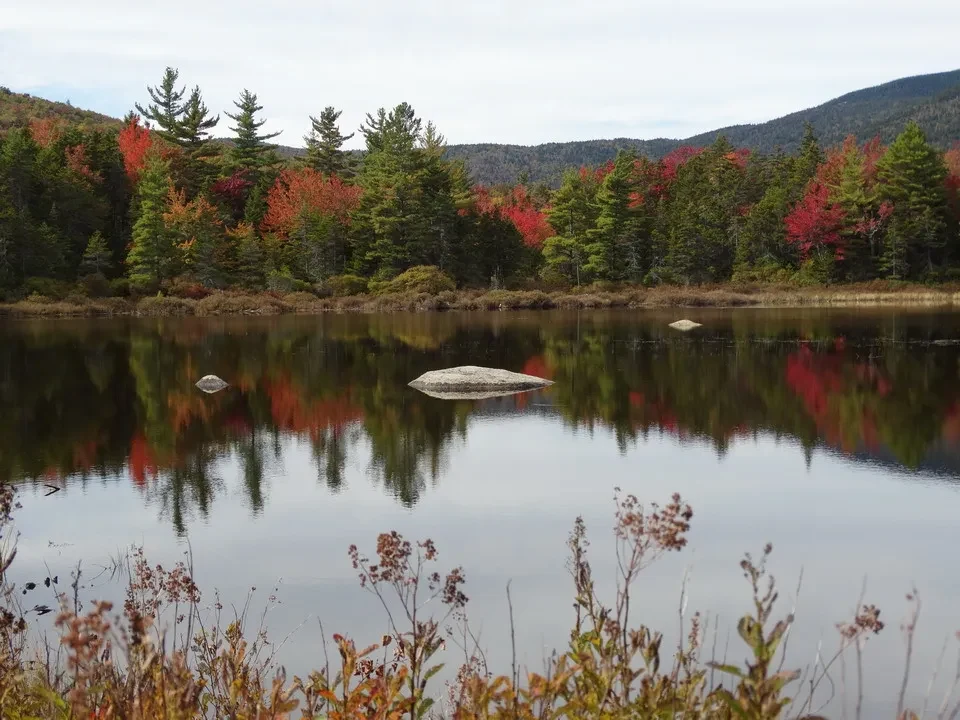
When we were finally ready to leave, the icy film that covered our car had completely melted under the first rays of sunlight. The cold still lingered around us. We set off towards the White Mountain National Forest via US16, entering Washington Valley and arriving at the toll booth. at the root of the rise automotive at Mount Washington, the highest peak of all of Eastern America, with its 1916 meters. The distance to cover is still considerable (over 1200 meters) on a road that constantly climbs. You need to be careful when driving down with a car with an automatic transmission, as you cannot use engine braking with short gears, which forces you to slow down and consequently reduces the braking effect. We solve this problem by going particularly slowly and making some stops. Nevertheless, at the bottom, the smell of brake pads is very strong and will accompany us for most of the day. At the top there are 10 degrees (with a slight temperature inversion), which is considerable, considering that it is a thermally cold area as well as subject to incredible weather variations. Given that exactly here the strongest wind was recorded (a sign indicates 231 mph, or 369 kmh), in one of the buildings located on the flat top there is a the board showing the deaths caused from the unfortunate or adventurous ascent: there are over 150 in total, two of which are from this year (hypothermia and heart problems probably due to the cold or fatigue). Although it is a simple excursion, this often leads to underestimation, and sudden fogs rather than winds cause rapid temperature drops, creating accidents more frequently than elsewhere. All of this is highlighted within the visitor center with information and photos of all kinds. When the weather allows, in addition to the road, there are also steam trains We arrived from Bretton Woods, exchanging the thrill of the famous mountain for some welcome dollars. Those who also drive up (at a cost of $36) can proudly claim to have "conquered" the mountain using a motorized vehicle. Inside a bag containing the CD with information and instructions to listen to during the ascent, you receive a sticker to attach to your car that says this vehicle has conquered Mt. Washington, which in us causes a burning humiliation compared to our hiking aspirations. Unfortunately, due to time constraints, we had to compromise and rightfully earned the title of "automotive climbers": something that would get us expelled from the CAI! Among the structures at the top are also two former mountain huts: one is completely covered in stones except for the windows, in order to prevent the wind from blowing it away, while the other It has three parallel chains. that keep it anchored to the ground for the same reasons. The area is rich in stones, and the only vegetation that survives is grass that creeps along. A few hundred meters below the summit There are some dwarf pines., further down you end up with traditional performance of colors. We return to US16 heading south, and in Jackson we buy some ham, which will form the basis of a simple lunch. We also visit the White Mount Cider Co. by Glen, a small company dedicated to cider production, with an attached establishment that combines a restaurant and brewery. We forgo the scenic Conway railroad to directly access the Kancamagus Scenic Byway, US112, which connects Conway to Lincoln, for much of its length almost forming a tunnel. trees leaning out from the sides on the street towards the center, in a multi-colored setting. I There are many viewpoints. but stopping every 100 meters to take a photo or recording seems like a waste of time: we all particularly appreciate the Sabbaday Falls and Lily Pond Lincoln is the classic mountain town that thrives on bourgeois tourism, nothing special except for the resorts surrounded by beautiful meadows and a charming shop where only Christmas decorations are sold – but in what quantities! The Franconia Notch (notch in American means pass) is almost imperceptible due to the small elevation difference to Bretton Woods, while the sun begins to set lower and lower, touching the mountains. The time from 5 pm to 6 pm is magical, combining the warm colors of sunset with those of the forest. Bretton Woods, although it is known for the 1944 conference in which the world's leading economists and politicians defined the structure of modern economics and the creation of the International Monetary Fund, would simply be one of many vacation destinations for wealthy American bourgeois. Instead, Mt Washington Hotel, already seen this morning from the nearby mountain, is worth photographing: it looks like a castle straight out of an animated film, but its real history is much more interesting than any fantasy. We leave New Hampshire, into which we had entered shortly after Bethel, for Vermont. Shortly after the "border," there's the inevitable visitor center with the usual friendly and helpful information desk, which provides us with the necessary documentation for the next few days and finds us a hotel in a quiet area at acceptable prices, in Lyndon (north of St. Johnsbury).
Along the roads, there are frequent signs warning about deer, although we unfortunately didn't encounter any. Other animals, such as black bears and lynx, were also not sighted during the trip, despite being very common in the area. It is also true that the roads are quite busy and that human colonization is much greater than it is in the Canadian outback. There are occasional reports of puma sightings. In any case, locals point out that, now without predators, wild animals thrive in the forests of New England.
What is lacking instead are the pumpkins, a true icon of the domestic landscape and faithful companions throughout the journey. Besides the vast expanses for sale, you'll find a pair on the steps leading to every house, usually accompanied by decorations, ghosts, witches, and skeletons peacefully perched on clotheslines or snuggled in armchairs in front of the entrance door.
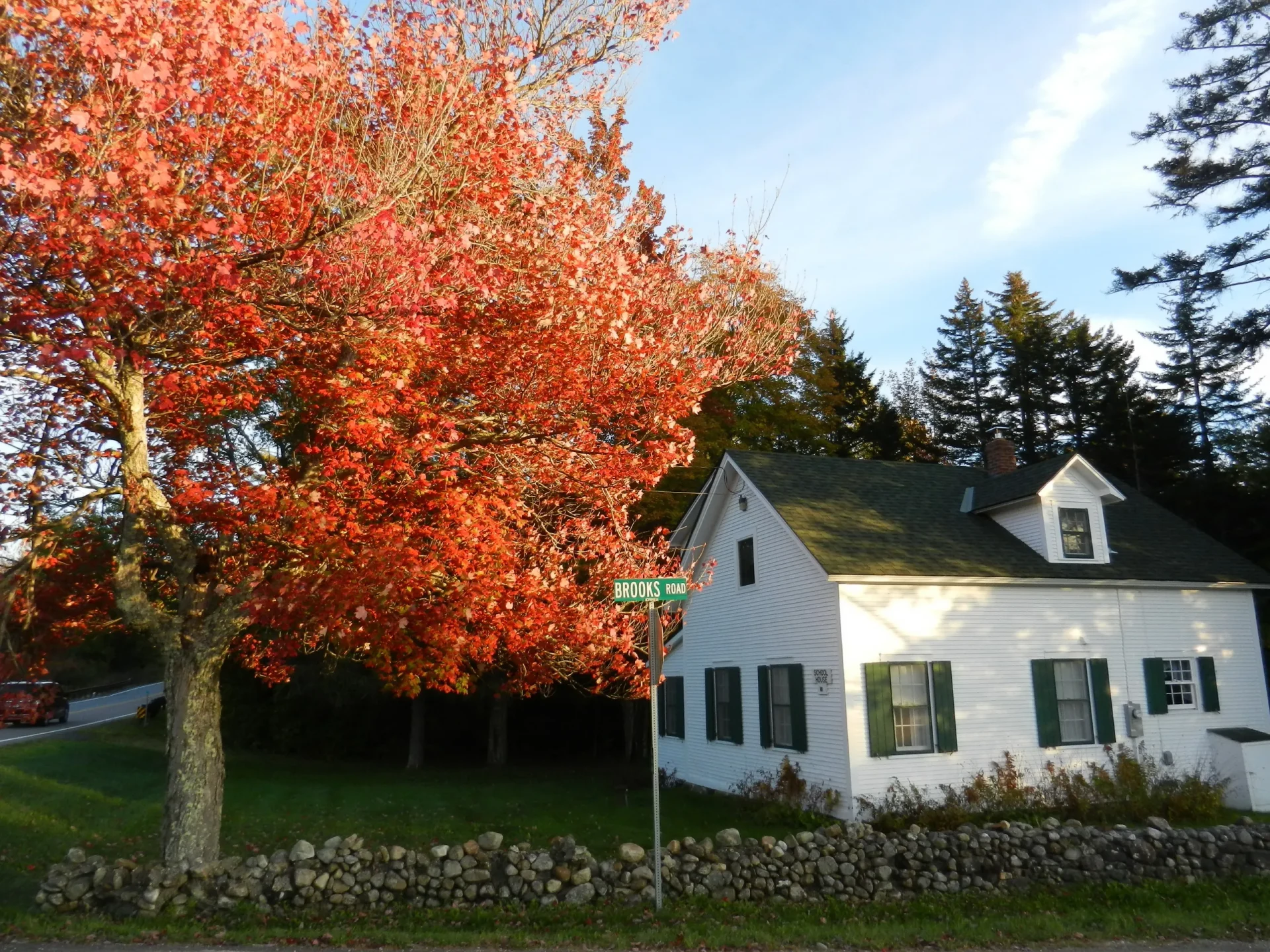
Returning to the foliage, we notice that in Maine, the coloring tends primarily to yellow, while in Vermont, which is aptly named the "Flamboyant State," red colors are more prevalent. intense red stains: it all provides an absolutely ideal backdrop to white, small churches scattered across various countries, with its sharp bell tower standing out prominently.
The urban face of Mt
Many restaurants offer pizza, pasta, etc., which is a clear legacy of the strong Italian immigration. At the same time, many names of cities with Irish origins are noticeable (Bangor, Dublin, etc.), reflecting a more European concept than that found in the Midwest or on the Pacific coast.