Day 10
Dublin
A capital rich in history and charm. With a unique museum, the Guinness Storehouse.
Dublin County
DUBLIN COUNTY
Museums and memory in Dublin
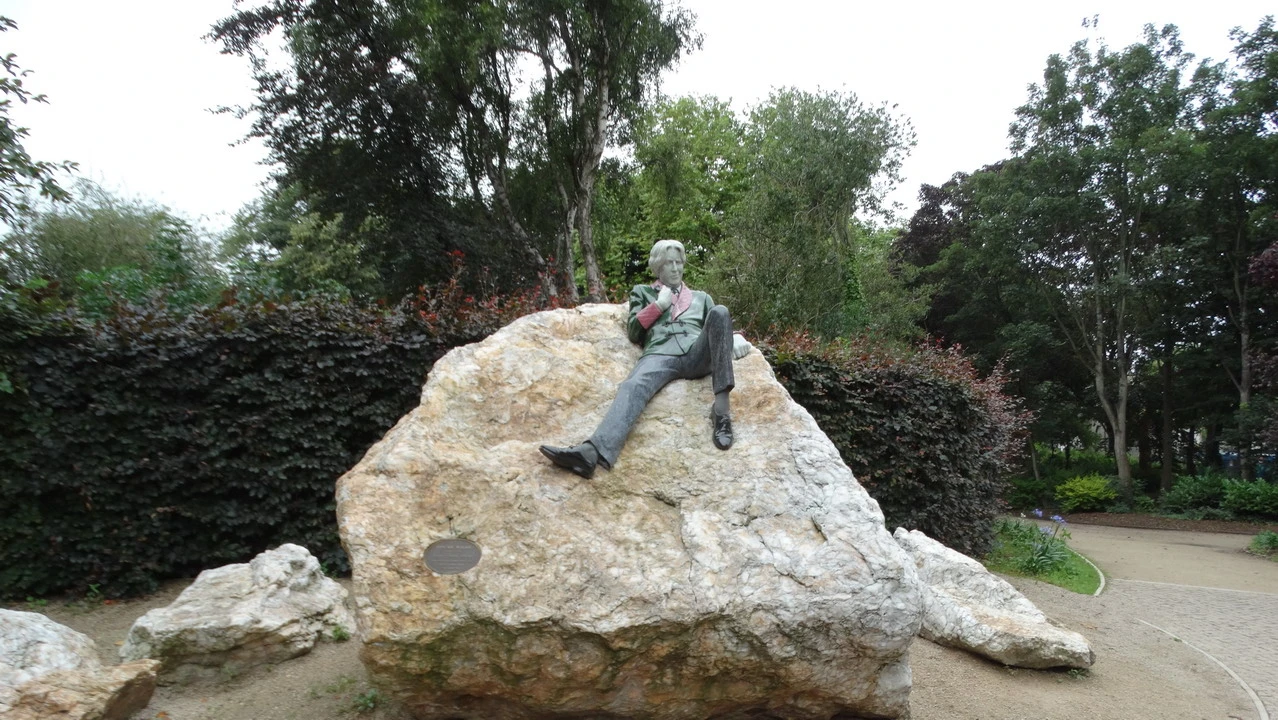
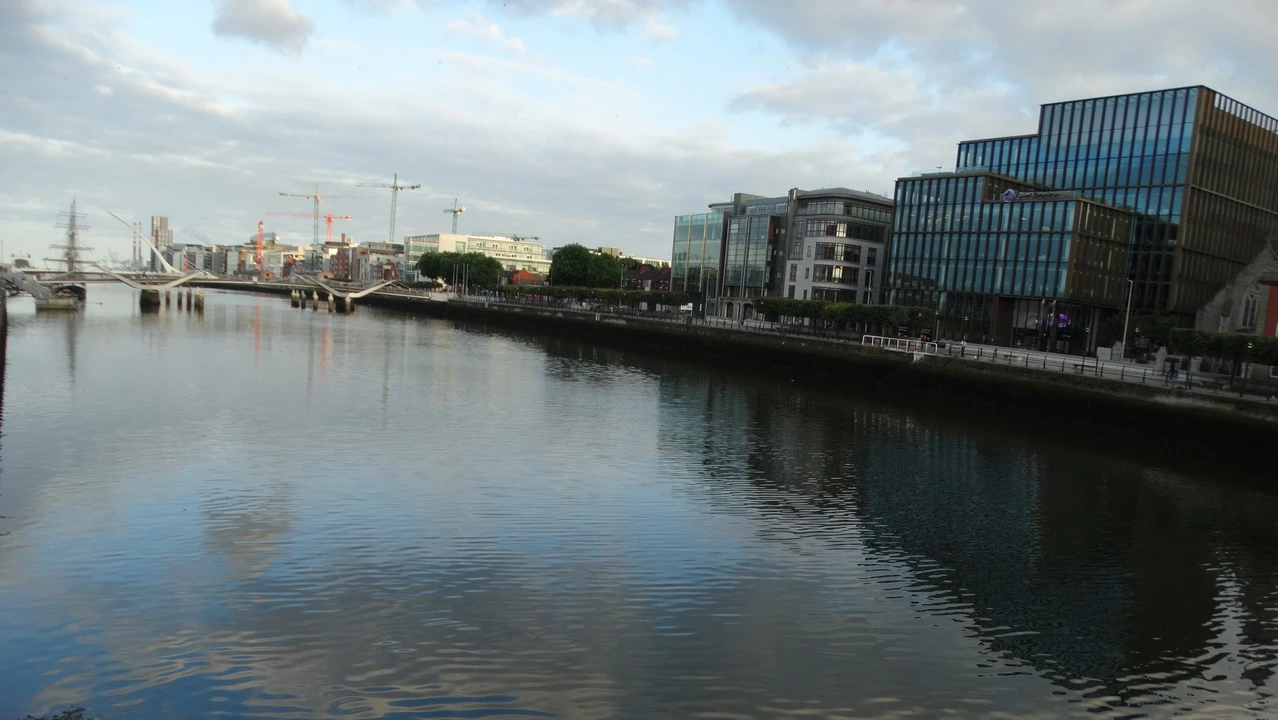
We leave Tara's lovely home to cover the approximately 30 kilometers south and arrive in a still sleepy Dublin early in the morning. This is exactly what you need to enter the city without traffic, find parking in the desired area, and be ready at 9 am when it opens. the EPIC Museum. Actually, we still have time to take a short walk around the Docklands area, with beautiful views of the Liffey River where a historic ship is still moored, which has crossed the Atlantic countless times transporting many desperate people fleeing from famine to America; the good and incredible news is that no one died during those voyages, when the death rate was tragically high. Further on there is Merrion Square Park, a green space within which are located the statues of Oscar Wilde (experienced from the building next door) and of Michael Collins (a patriot of independence). The EPIC Museum is located within old warehouses that were once used for storing goods that passed along the river; a visit will offer a historical insight and open your eyes to the suffering of the Irish population over the centuries. Modernly organized and understandable to everyone, as you move from one room to another, it explores the themes of emigration over the last two millennia. It seems this people have a unique relationship with emigration, and throughout their turbulent history, they have often found themselves in tragic situations that forced many to leave. Struggles for independence, conquest, or religion have obliged the Irish to leave with suitcases in hand. Recently, the history appears to be more benign, and many who are leaving Ireland now do so primarily to take advantage of opportunities in America, but even until the 2009 crisis, there were still many who were forced to leave. Today, we are even witnessing a reversal of trends, with foreigners arriving in search of work, especially Polish people. The most touching part of the museum is undoubtedly dedicated to the Great Famine of the mid-1800s, which killed and forced about a quarter of the population to leave. We definitely emerge from it with more knowledge, preparing ourselves to learn more about the capital. Outside the museum, on a sidewalk along the river, there are human figures The impressive sculptures, skillfully crafted, vividly depict the heartbreaking scenes of those trying to escape starvation.
The urban face of Dublin
Next, we encounter a charming local detail: cheerful groups of fans with red or green scarves and flags are seen along the streets of the city center. We discover that they are supporters directly involved in the hurling final between Cork and Limerick, a truly national event where we saw shillelaghs everywhere around the country. For the record, Limerick won, the green team.
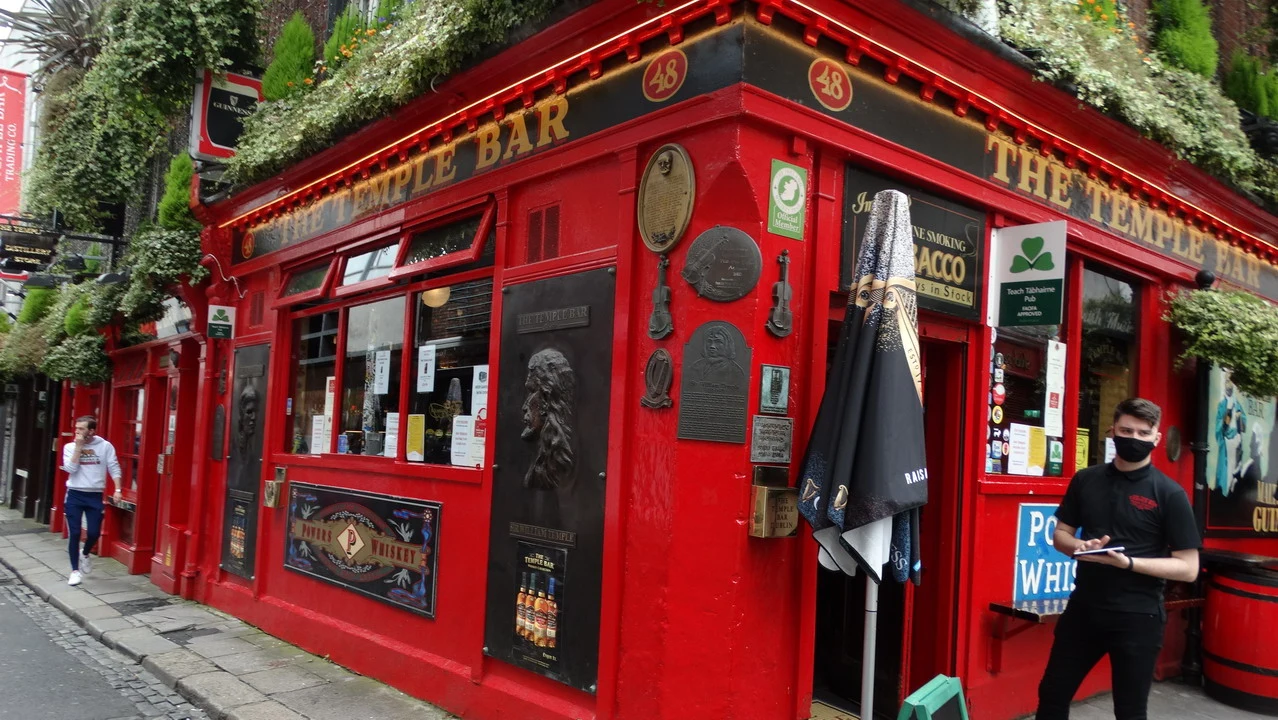
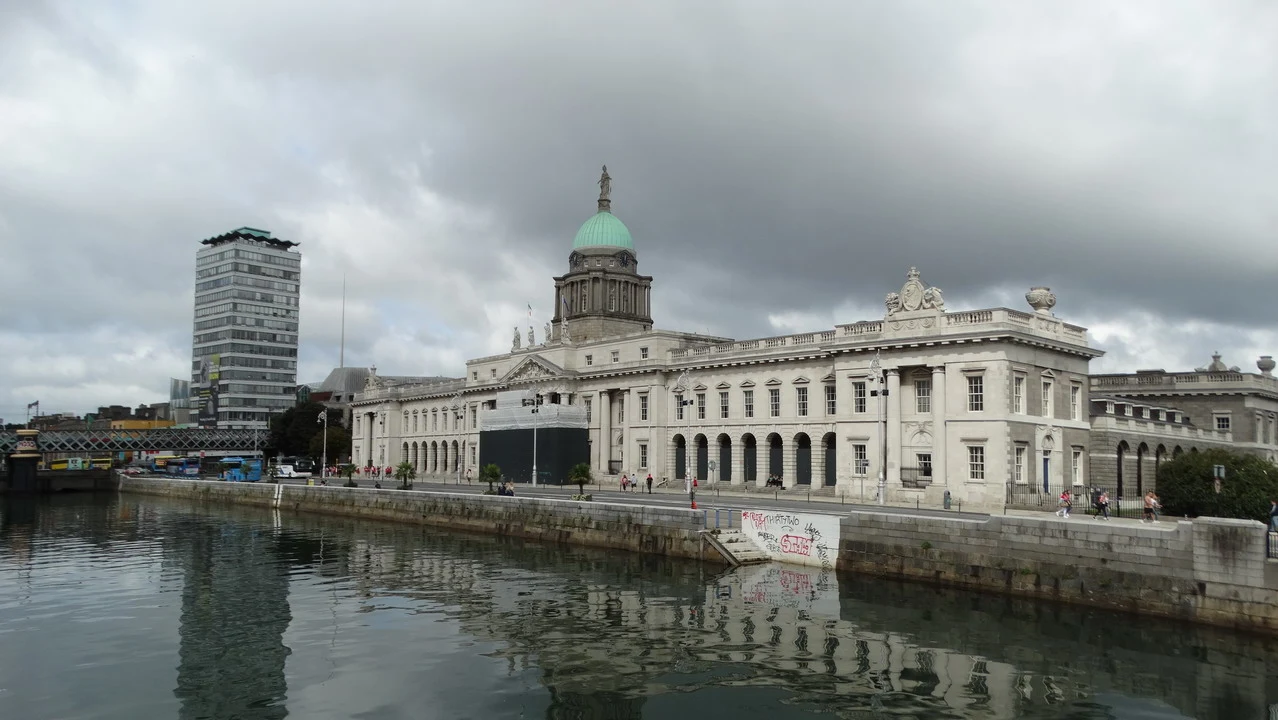
We will explore the along the river, towards the city center We grab a bite right in front of the Bank of Ireland and Trinity College, the enormous university complex, one of the oldest and most prestigious universities in the world. Its library is paradise for literature enthusiasts. Here you can find the most valuable book in the world, the Book of Kells, which dates back to the 9th century. Inside the campus, you'll also find the Douglas Hyde Gallery, the largest art gallery in Ireland. With just a few steps, we are in the true historical center, with its heart beating in Temple Bar. We identify a local restaurant that could suit us for dinner and make a note of it. At the same time, we pass by the Christ Church Cathedral during our walk to the second fixed appointment of the day: visiting the Guinness Storehouse. It's a must-see in the city, more for cultural than hedonistic purposes: within a perfectly organized framework, visitors are guided along a path created inside the old factory that gradually leads to the seventh floor, from which you can enjoy a wonderful view of the city and the surrounding area, you can sample a pint of Guinness. It's either my imagination, or for some other reason, but it seems even better than those I've tasted recently in Ireland. The museum tells (with its characteristic marketing sense) in detail about the ingredients, production and distribution processes, the reasons that lead to such specific color and foam, the social context, and any interesting fact that might emerge.
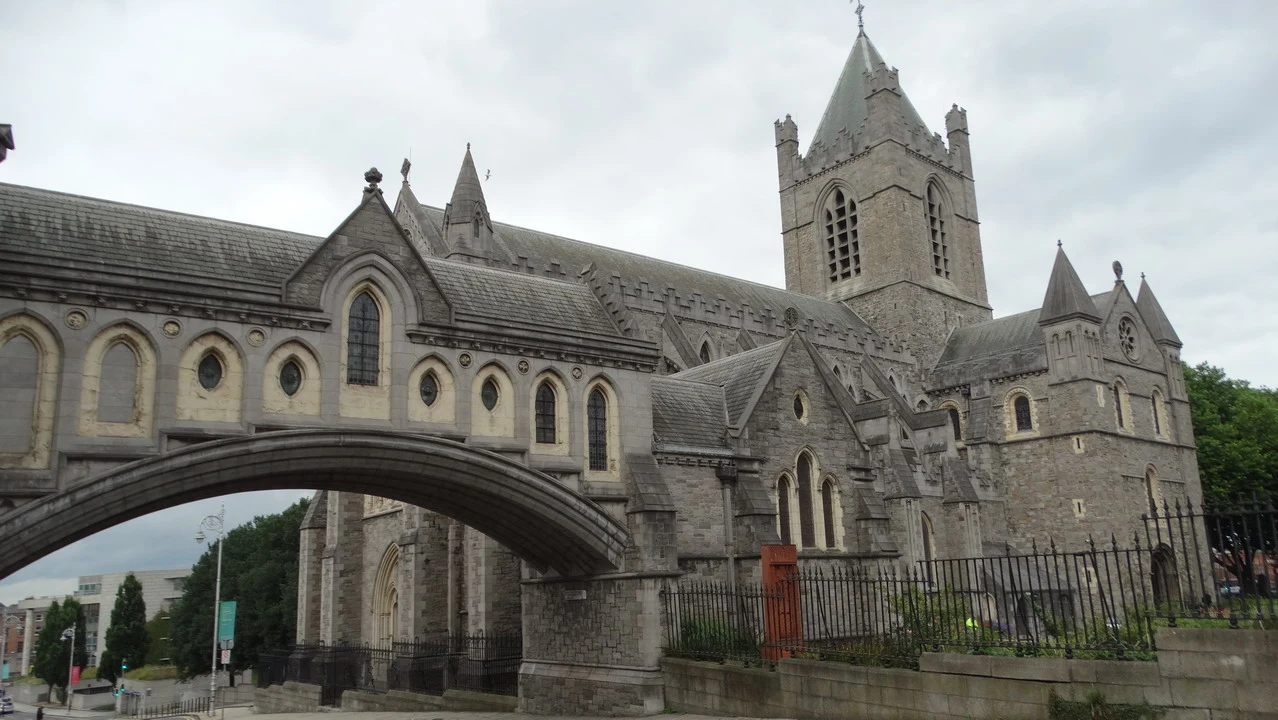
Visit to Christ Church Cathedral
We continue our journey, satisfied, seeing the exterior of the Anglican cathedrals. St. Patrick's and the Christ Church Cathedral, surprisingly two in a city almost entirely Catholic. But that's how things are, and especially how history seems to be inclined towards paradoxes. St. Patrick's is considered the most important Protestant church in Ireland: built in Gothic style, it features a very long nave and a beautiful choir, richly inlaid, a true jewel for lovers of this architectural style. Another look at the Franciscan Friary and Dublin Castle (where you can find wonderful sand sculptures in the inner courtyard) and a short walk to St. Stephen's Green... another beautiful urban park, to continue along Parliament Street and towards the most important museums. From here, walking alongside Trinity College, we head to the lovely pedestrian area of Grafton Street. We return to Temple Bar, a neighborhood where it's easy to buy interesting gadgets to take home. We are close to the restaurant we spotted earlier, so we take advantage of it for an early dinner, which will be useful given our early start tomorrow morning. Just a few more steps and we continue on our way. riverfront to retrieve the car, in a pleasant and well-maintained environment, despite the large number of local drunkards and shouting young immigrants. Perhaps Dublin, from certain perspectives, is the least Irish community seen so far. Although pleasant, like many other cities, it lacks that typical Celtic spirit, urban indifference, and at night, there are many drunk people lying on the ground like garbage bags waiting for someone to take them away.
This won't damage the good image created in Dublin, a simple capital without the ambition to compete with other more famous ones, maintaining its understated and comfortable style, presumably also in the daily lives of its citizens. It doesn't have monuments that alone would warrant a visit, but rather a complex of architecture and gardens that make it charming. The same can be said for all of Ireland; perhaps the only sight that makes your heart leap is the Cliffs of Moher, but it is the entire country that leads you to appreciate its nature and its people. A nature that is both harsh on the rugged coastline constantly battered by the Atlantic and soft with green hills inside, and a people who are friendly and accustomed to fighting for what they deserve, which makes it worthy of the highest consideration and respect.
Premier Inn – Dublin Airport