Day 3
Tallinn and the rugged Estonian countryside.
Still, the magic of Tallinn and beautiful Estonian towns.
The urban face of Tallinn
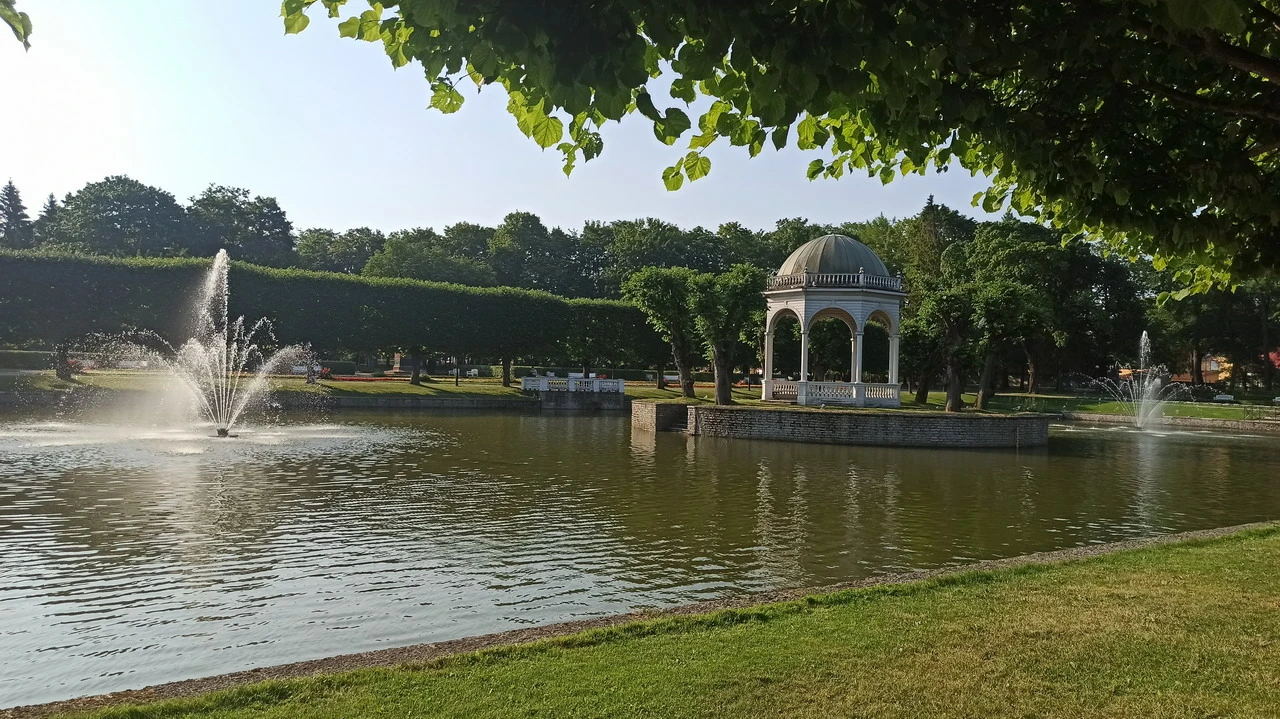
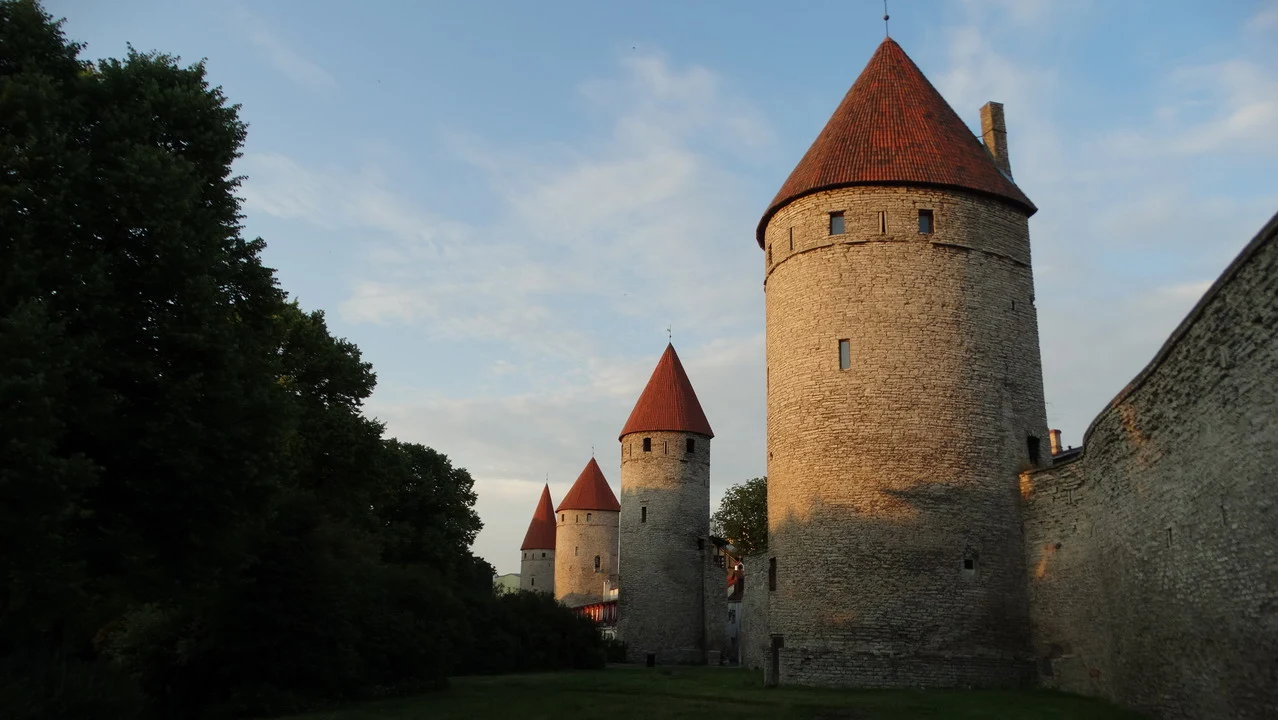
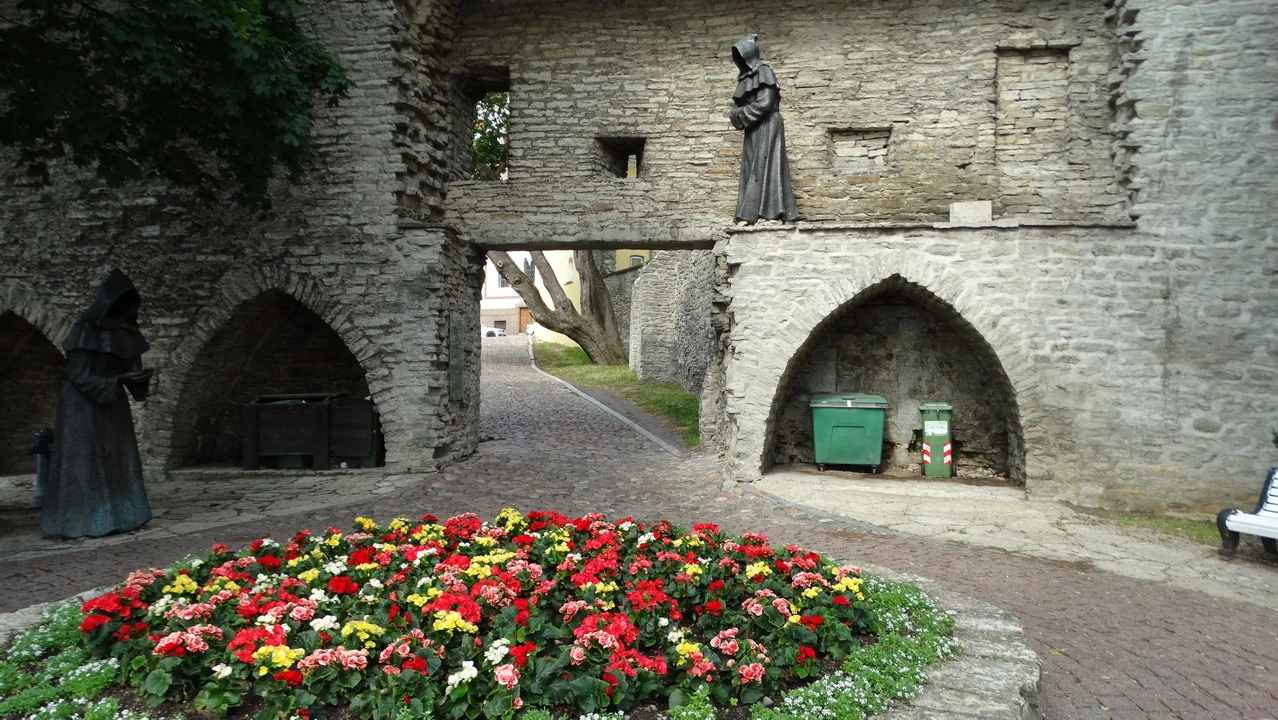
Tallinn has a historic center of which one can only fall in love: collected between medieval walls, offers the feeling of experiencing... another era, almost like stepping into a time machine. But before returning and seeing it from another angle and at a different time, let's take the car on this quiet Saturday morning when it's only 7:30 am, after breakfast in the room with sweets purchased yesterday evening in the city center. Most of the residents are at the beach for the weekend, so we drive through the streets of the modern part to park near the Kadriorg, a park with its usual fountains and many flowers. It's almost like finding precious stones nestled among the greenery. Art Museum (with a fairytale garden), the Presidential Palace, Tsar Peter I's cottage, and several cottages – perhaps called "dachas" in this area – which vary the colors of the lawns and trees. We continue to travel by car towards the sea, where we find the Kalamaja district, with Lennusadam, the harbor for renovated hydroplanes, and Patarei, a former abandoned prison that still needs to be integrated into the city's urban landscape. Its walls also emanate a somber concept of suffering, persecution, torture, and death, even under the morning sun. This structure has been used by the Tsarist regime, the Nazi regime, and the Soviet regime: a concentrated form of chosen criminality that became political power. Now it is time to return to our parking lot under the residence and walk along the two streets that separate us from the heart of Tallinn. We retrace part of yesterday's tour in reverse, with beautiful sunshine, adding some highlights. We immediately come face-to-face with Hotel Viru, with its KGB museum, the only one in the city during the Soviet era, where the top floor housed a KGB control center to monitor transit. Porta Viru but the highlight is experienced during our stay at Town hall square where a craft market has been set up where typical products are sold, the merchants wear period clothing and the cash registers play beautiful medieval music. The square is surrounded by historic buildings with characteristic pastel colors that enhance it and give it an elegant and sophisticated appearance. One would expect to see a German or Finnish merchant emerge from one of the magnificent gates at any moment! It also seems as though we are just arriving merchants, ready to exchange our goods for those coming from distant and uninhabited lands, in this corner of land that served as a frontier towards the vast plains of the Sarmatian plain which open to the east and the northern Scandinavian region.
Traditions and spirituality
The frame of the City Hall The colorful houses and vibrant atmosphere make for the perfect sunny day, almost to an excessive degree, so that vendors dressed in traditional costumes are well sheltered under the umbrellas near the stalls displaying their products. We see the Church of the Holy Spirit, the Catholic Cathedral of St. Peter and Paul (beautiful from the outside but very plain inside), the Cloister of St. Catherine, and the Orthodox Church of St. Nicholas, where we witness a service for a few minutes while religious music helps the faithful in contemplation. We notice how the officiant turns his back to the audience as he would before a consistory, and that the sign of the cross is made by touching first the right shoulder and then the left. We return to the area near the ramparts to climb up to Linda Hill to see the interior of the magnificent Nevsky Cathedral, which was closed yesterday evening. There is also a religious service taking place here; women can only enter with a headscarf, and photos cannot be taken, which is a real shame because in Orthodox churches, iconography plays a prominent role. Tallinn's beauty undoubtedly owes its charm to its medieval atmosphere and recent renovations, but it also has a strong Russian architectural imprint, both Soviet and imperial styles, with Orthodox churches calling to mind Byzantine style, rather than the scattered wooden houses everywhere. There are several tourists, although the presence of foreigners is not very dense; however, the summer day practically emptied the city of its local residents who went in search of excitement or relaxation by the sea. Tallinn appears to be the city with the greatest propensity for tourism, both from the point of view of information and organization, and from the attitude of those you meet. Although reluctantly, it is now time to leave the Estonian capital when it is 11 am, heading south on the A2 towards Tartu.
The road is two lanes wide for the first section and you can also travel at 120 km/h, although it then becomes a construction site and finally a normal highway that crosses flat areas cultivated with cereals. We don't know if this is due to a legacy of planning from the Soviet era or simply a natural inclination of the terrain, but in the three republics we encountered vast cereal fields, farms surrounded by large silos for storage, and agricultural machinery dealerships with sizes and density comparable to those of cars, simply more dispersed compared to urban centers. A characteristic of Estonian roads is the presence of corridors left open for crossing deer or other animals; essentially, a fence normally prevents crossing, but there are stretches several hundred meters long where it is interrupted specifically to allow free passage. Here, the speed limit is reduced to 70 km/h precisely in order to prevent unpleasant collisions and give priority to quadrupeds. However, overtaking lanes dedicated to the same purpose are not uncommon, a sign of remarkable environmental sensitivity. A scrupulous behavior that should also be transferred to other areas, from cleaning in cities to respecting traffic lights, even for pedestrians.
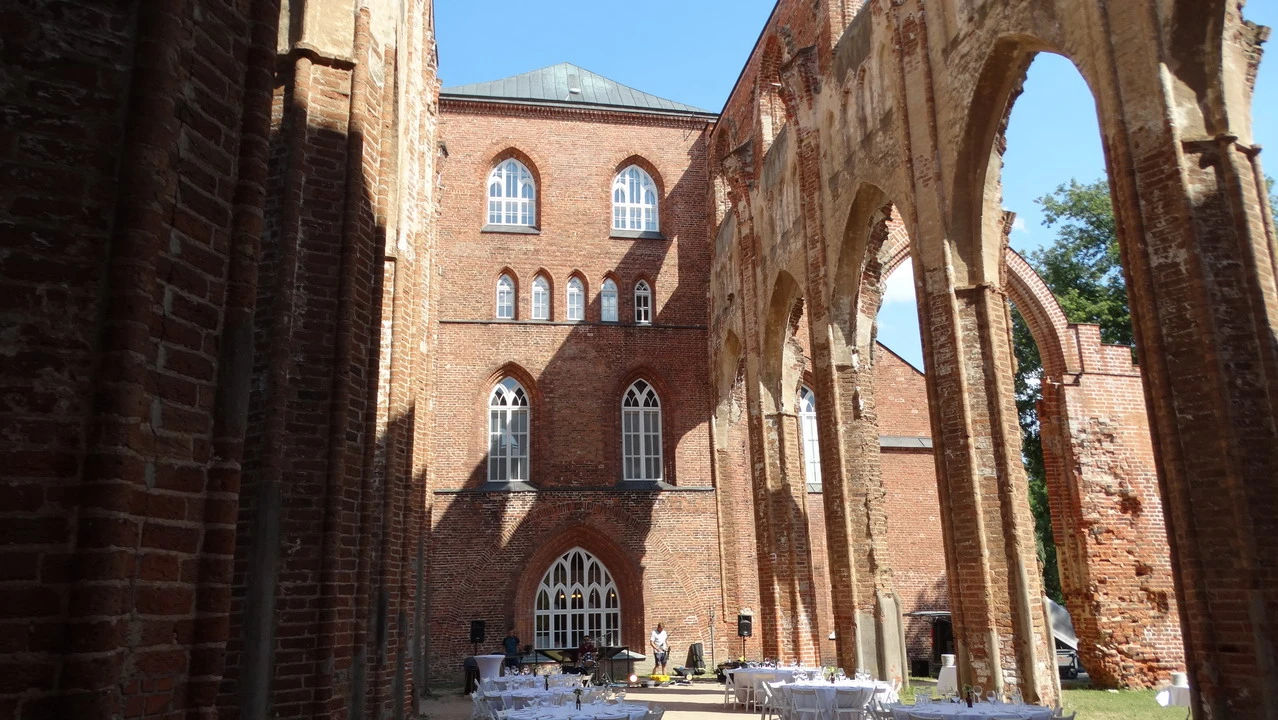
Tarto is the premier university city of Estonia. During this period, it has a limited young population due to the summer holidays, with an impressive Emajögi River on the Lambirne city center. From one of its banks, a view opens up to Town hall square, also surrounded by tall buildings with beautiful color variations. Since we couldn't find a picnic area along the road, we found a comfortable bench in the gardens of the University Clinic, where we enjoyed some delicacies (smoked beef and salmon) purchased in the morning in Tallinn. It was hot, and walking under the sun was exhausting. We found a little relief by visiting the well-maintained botanical garden of the University, as well as the exterior of University Art Museum(former Cathedral) located in one part of the ancient and impressive three-nave church, on the other side remains the brick skeleton that stands several meters high in the typical Gothic style; beyond the side walls, the roof is made up of the cobalt sky. We conclude our walk by returning through the town hall square, where young visitors are relaxing under umbrellas, sipping a drink, while waiters rush around, sweating profusely.
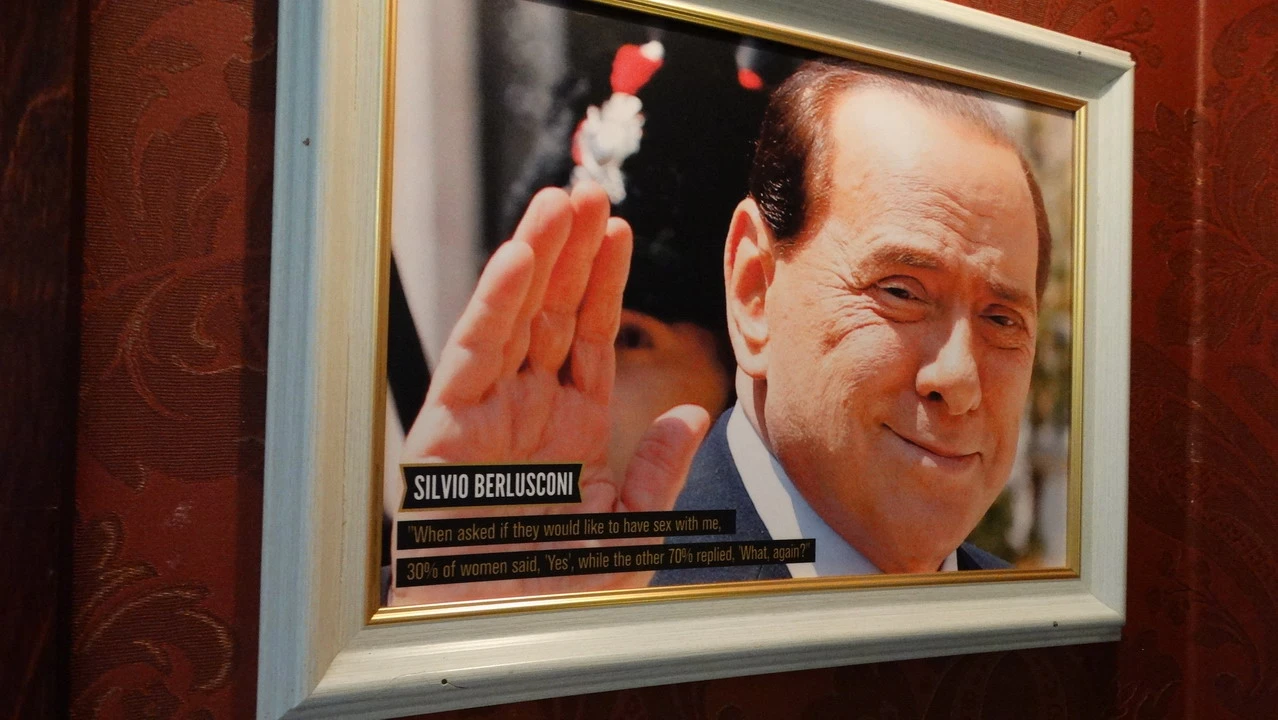
A curious incident occurred when we entered a pub that was too busy to even make us a coffee: while we were leaving, we saw a series of paintings on the wall depicting the faces of famous men and equally famous quotes attributed to them. One of these showed the face of someone I recognized. Berlusconi and the phrase reads: when I asked if they would like to have sex with me, 30% of women said “yes”, while the other 70% replied “What, again?”. This is somehow the image of Italy represented by its Prime Minister for a decade.
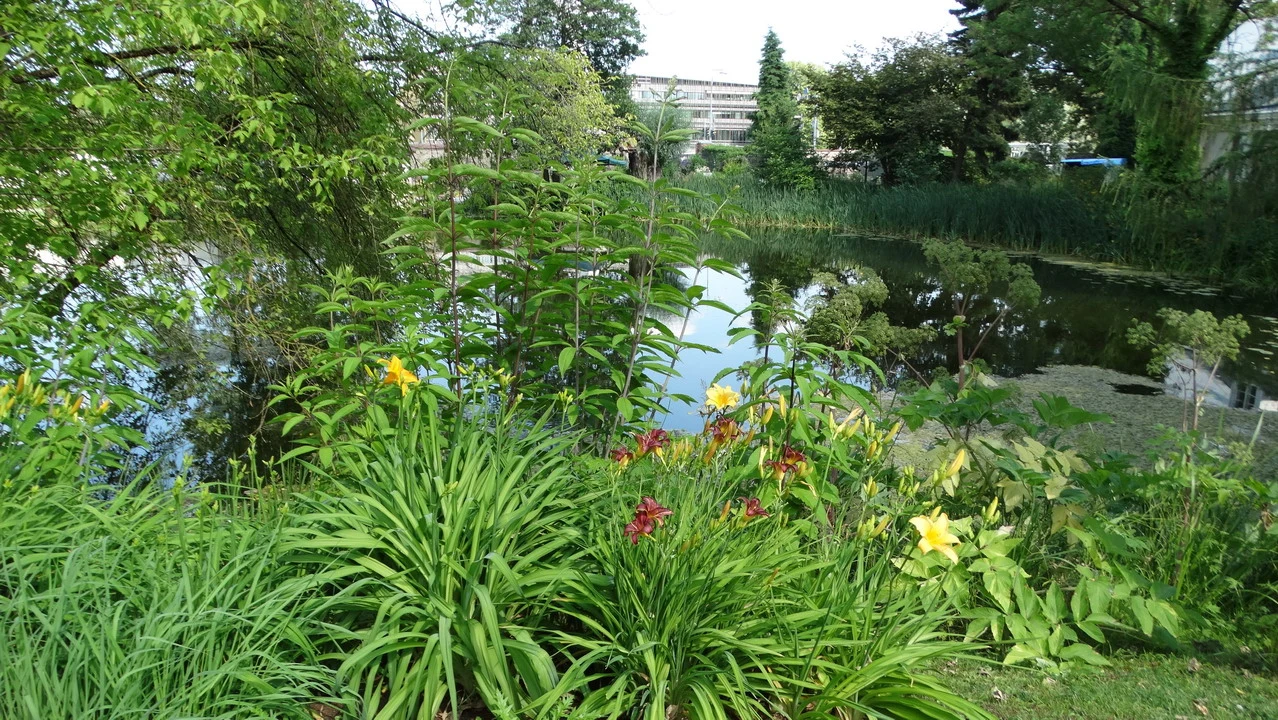
We continue our journey by car, crossing a landscape that is now more varied, with the terrain becoming more undulating and forests often replacing cultivated fields. The winding roads ensure that the view is always new and different. Our final destination is Röuge... a group of houses scattered in an area of equally scattered lakes amidst the greenery. The whole setting provides a pleasant example of integration between nature, water, and people. Having booked at a farmhouse, it's not surprising that the last kilometer is unpaved road and the parking lot is located among two tractors and in front of a group of chickens peacefully roaming. The lady explains that their main house is rented to tourists during the summer who want to stay overnight in the countryside, while she and her husband live in a small cottage just a few dozen meters away. We have a nice room on the ground floor overlooking the entrance, from which we can access the office and living area on one side, and the kitchen on the other, in a sort of open-plan space with no walls, at the center of which is the staircase leading to the upper floor and the bathroom. This layout is interesting, probably dictated by the need for heating and lighting. Spending just one day in an Estonian house allows you to understand the needs and difficulties that inevitably arise in a particularly cold and northern country. The low ceiling and two stoves/chimneys tell you how winter must be at these latitudes. The spacious and modern kitchen is equipped with state-of-the-art appliances and is arranged to make the most of the light coming from the windows: the house is very welcoming and comfortable. We go out to get to know Röuge better and see if there's space in the only restaurant in the village. After receiving a negative answer, we can only drive the 20 km that separate us from Vöru, where we find a small country-style restaurant, where we will enjoy simple but excellent cuisine. Only after starting to drink my half liter of beer do I realize that I need to drive back and that Estonian laws regarding alcohol are strict. Using the internet, I start making calculations until I understand that I should still be below the limit (0.2 per thousand), simply because I was able to quickly solve the formula. We don't meet anyone and continue on to take more photos of the church and magical sunset over the lakes. The sun slowly sets towards the horizon line comprised of a dense forest, casting its golden rays on the shimmering waters of the lake. The description seems to aim for a poetic tone, but what lies before us is true poetry. A final cup of tea on the terrace on the first floor of the farm sees us off from this long and tiring day, which was both extremely interesting and satisfying due to the heat.