Day 3
Costa da Morte and northern Portugal
Exploring the Galician coastline up to the border with Portugal, passing through its artistic cities. Aveiro: a miniature Venice on the Atlantic.
From Finisterre to the Costa da Morte
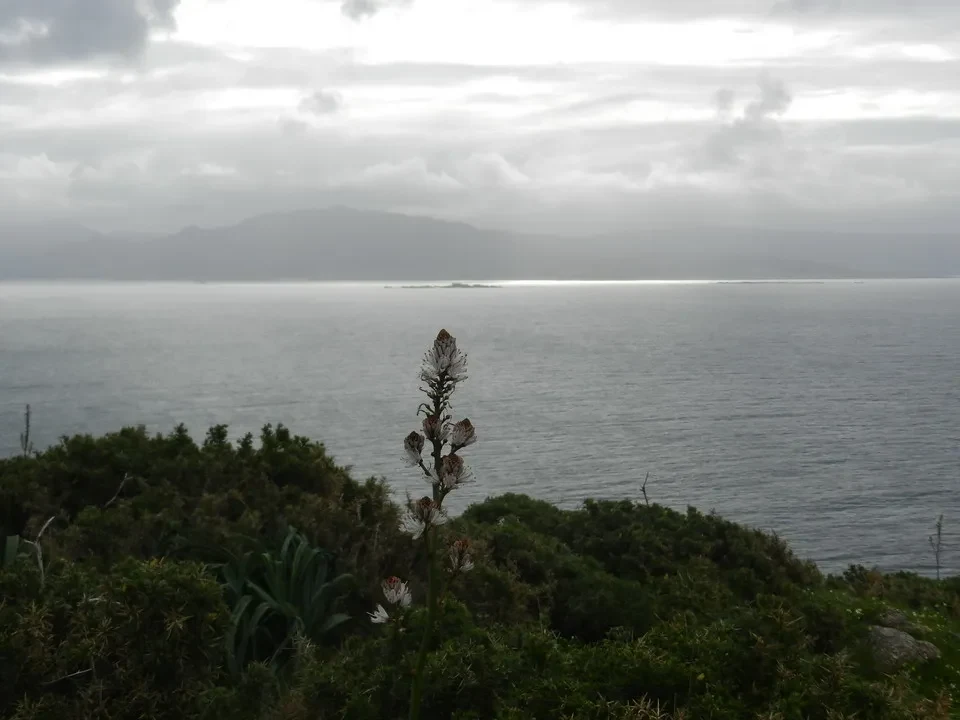
The morning is overcast, we head inland to cross one of the land arms that penetrate the sea, separated from each other by narrow bays where all kinds of mollusks and mussel farms find shelter. The landscape is very green, with fields of grain drying in the sun, and... hay bales, and plants that are sometimes unfamiliar to us. We arrive at Finisterre... which the Romans had called by this name as it represented the end of known lands at that time. The Tourinan Cape is home to the unavoidable lighthouse and some small reminders indicating that the Camino passes right through there. With a tradition that can be debated, some pilgrims leave clothes, shoes or anything else attached to a pole. The wind will blow away the clothes, dragging them wherever they go, creating an unsightly image of scattered trash in a place that is instead enchanting. The shoe monument ... instead, to show how important this place has been for travelers throughout the centuries. The area is pleasant and quiet on a spring Sunday morning. Some older people are sitting at the bar and talking animatedly in Galician, the official Spanish language that is very similar to Portuguese. We then descend to Ezaro where, without a certain tourist perspective, you can find the only waterfall Coming from a lake that discharges its waters into the sea. In reality, it is a dam for hydroelectric power generation, a beautiful waterfall and the sea, which is located a few hundred meters away, and likely rises with high tide. It's definitely worth driving along the steep roads to reach the viewpoint overlooking the bay. Muros is famous for seafood, with a nice harbor facing the city center. At the bottom of the Ria de Muros e Noia, you will find this last town. Larger and very busy when we pass through, due to a demonstration with an accompanying market. The crowded streets advise us to go elsewhere for lunch. Which we do in Pontecesures. In a traditional tavern on the Camino route, it feels like stepping back in time: a mix of locals and pilgrims, mostly by bike, exchanging information, getting their proof of passage stamps, and setting off regardless of the weather conditions. We instead take the highway south to return to Portugal.
Return to Portugal: Ponte de Lima, Braga and Aveiro
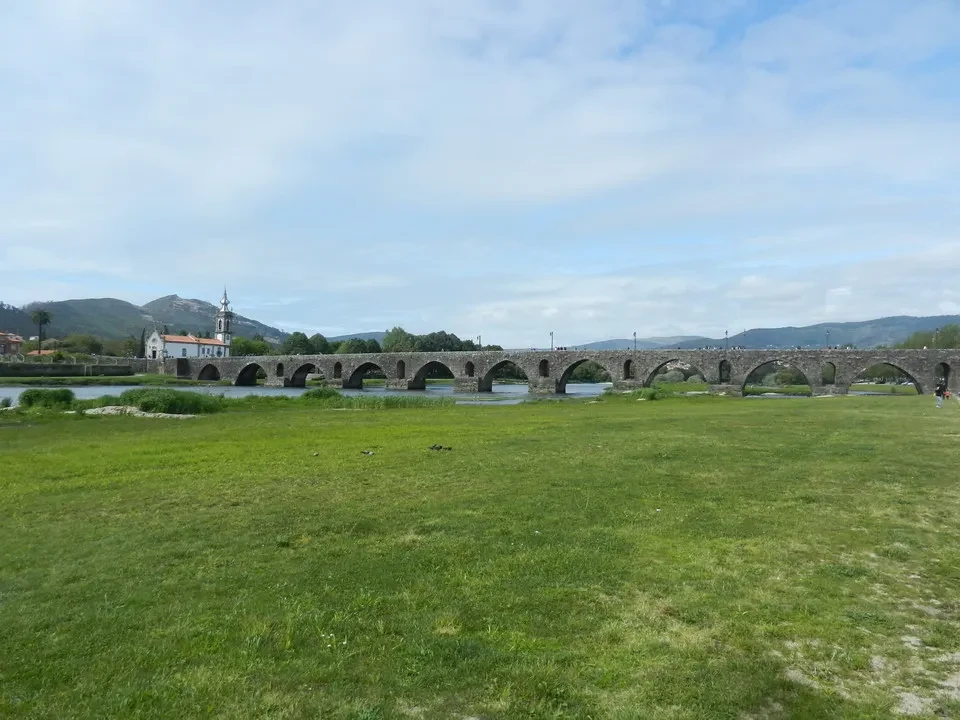
The first stop is Ponte de Lima For a short visit to the small but diverse center and especially to the Roman bridge with its 31 arches over the Lima River. A short distance away, there is an interesting series of shapes that mimic the Roman legions crossing the river before the bridge was built. According to legend, the soldiers were hesitant because they thought it was the Lethe, the river of forgetfulness, and crossing it would make everyone forget everything. The highway passes through the orderly vineyards that produce vinho verde, a refreshing drink, responsible for the half-drunk state I experienced just two days ago in Porto, and indeed, the liquid of oblivion. Braga, the third city in Portugal, welcomes us with its cathedral and, frankly, not much else. We are amazed to find elegant and dilapidated houses side by side in the heart of the historic center. It seems incredible that no private or public hand has renovated these valuable properties. A common feature throughout the visited Portugal is that seeds are carried by the wind onto the roofs and along the cornices, so that weeds grow at every height, highlighting the houses that deserve maintenance. Aveiro This is the final stop of the day: in this case, the ocean's waves gently lap against a wide, flat beach. The Faraglioni of Costa da Morte are now far away, but the connection between people and the sea remains strong. This town also has a rich history linked to navigation, and you can find it in the center. Moliceiros, boats similar to gondolas, once used for collecting seaweed. Here too, the score for eating fish-based dishes reaches high levels.
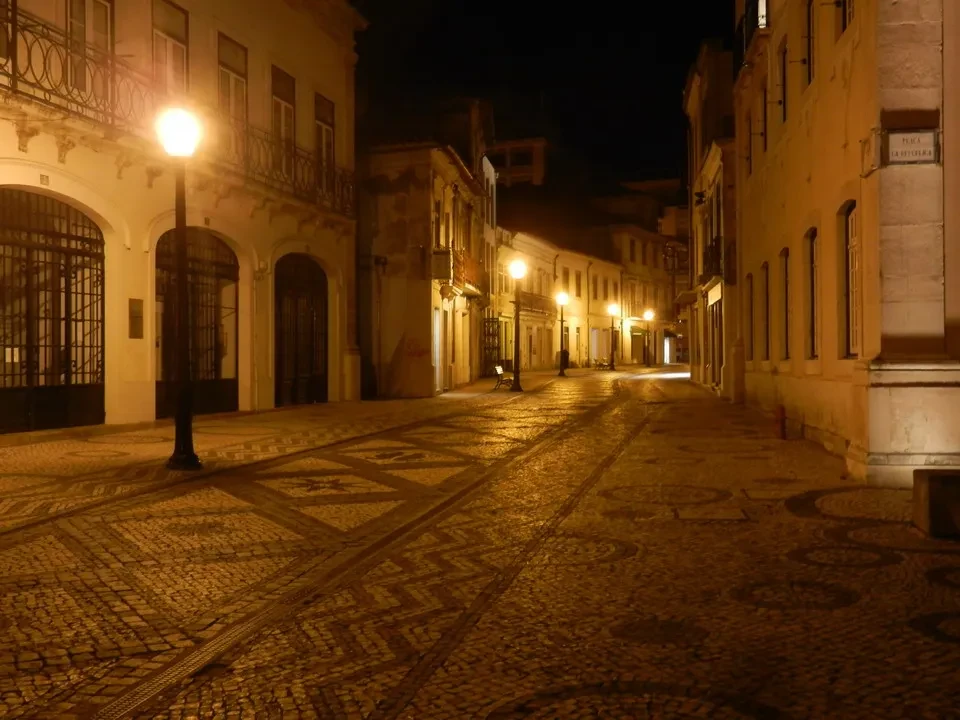
A walk through the streets of the city center. creates a stunning image, illuminated by streetlights that cast an old-fashioned yellow glow and paved with polished porphyry marble, as peaceful as one would expect on a Sunday evening, except for the lively atmosphere near the canals. The comparison to Venice in Portugal is fascinating, although exaggerated, where a ceremony of university students breaks up with their local songs and speeches. We listen for a while, but then the desire for well-deserved rest prevails. The beautiful weather has encouraged us to ride horses; in the coming days, the weather is expected to remain stable, so we should not disappoint.